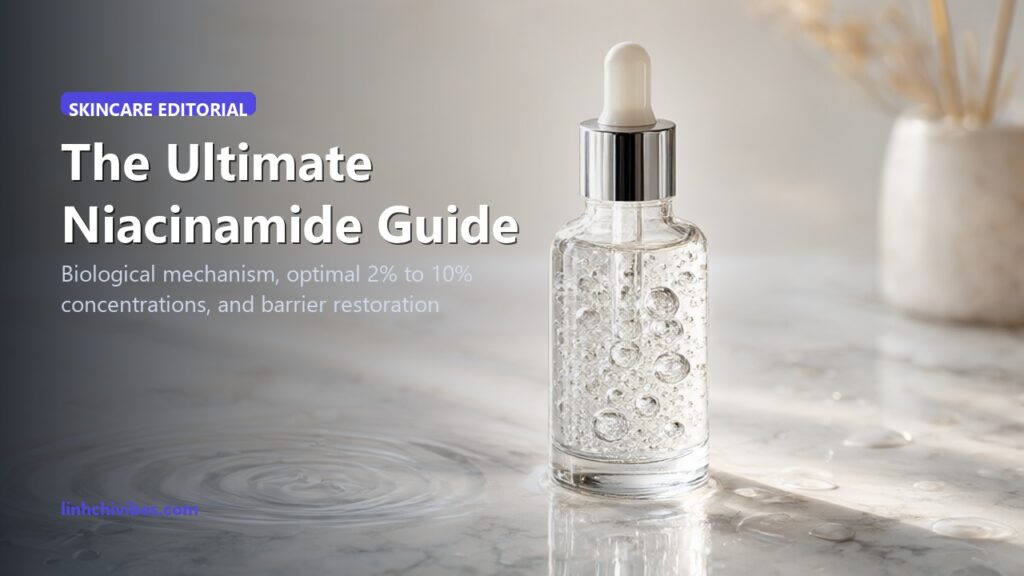
In the ever-evolving lexicon of evidence-based dermatology, if Retinol is celebrated as the undisputed gold standard of cellular rejuvenation, Niacinamide (the physiological amide derivative of Vitamin B3) stands as the versatile queen of epidermal homeostasis.
Few cosmeceutical actives boast such an expansive clinical spectrum paired with near-universal bio-compatibility. From upregulating endogenous ceramide biosynthesis and regulating follicular sebum excretion to inhibiting melanosome transfer, refining enlarged pores, and neutralizing oxidative stress, Niacinamide addresses multiple cutaneous concerns simultaneously. Yet, despite its gentle reputation, countless skincare enthusiasts experience persistent flushing, transient breakout flairs, or micro-pilling simply due to sub-optimal concentration tiers and incompatible molecular layering. In this definitive 3,500+ word master handbook, Linh Chi Vibes deconstructs the biochemical pathways, evidence-backed concentration thresholds from 2% to 10%, and clinical layering formulas required to cultivate healthy, luminous glass skin.
*Editorial Disclosure: As an Amazon Associate, Linh Chi Vibes earns from qualifying purchases. Products in this guide were compared using brand information and public reviews; we have not hand-tested them.*
📑 Complete Niacinamide Compendium Index
- 1. Cellular Biochemistry: What Is Niacinamide (Vitamin B3) and Why Does Epidermal Tissue Crave It?
- 2. Endogenous Barrier Fortification: Stimulating De Novo Ceramide & Fatty Acid Synthesis
- 3. Sebaceous Homeostasis & Follicular Architecture: True Pore Refinement Mechanics
- 4. Melanosome Transfer Interruption: Eradicating Post-Inflammatory Erythema (PIE) & Hyperpigmentation (PIH)
- 5. The Concentration Hierarchy: Clinical Evidence for 2%, 5%, and High-Potency 10% Formulations
- 6. The Synergy Matrix: Pairing Niacinamide with Retinol, Salicylic Acid, and Vitamin C
- 7. AM & PM Clinical Application Protocols for Maximal Transdermal Delivery
- 8. Deciphering the “Niacin Flush”: Root Causes, Vasodilation, and Rapid Troubleshooting
- 8.1. INCI Quality Benchmarks: Free Nicotinic Acid Impurities & Purity Standards
- 8.2. 6 Critical Application Mistakes That Induce Breakouts and Barrier Friction
- 8.3. Comparative Matrix: Niacinamide vs. Panthenol, Alpha Arbutin, and Tranexamic Acid
- 9. Curated Skincare Compendiums & In-Depth Clinical Readings
- 10. Frequently Asked Questions Regarding Vitamin B3 Formulations (FAQ)
- 11. Final Editorial Verdict from the Beauty Desk of Linh Chi Vibes
1. Cellular Biochemistry: What Is Niacinamide (Vitamin B3)?
Niacinamide, systematically classified as pyridine-3-carboxamide, represents the water-soluble physiological amide form of Vitamin B3. Because the human genome lacks the biosynthetic machinery to synthesize meaningful concentrations of this micronutrient de novo from dietary tryptophan, epidermal keratinocytes depend upon external systemic intake and targeted topical bio-delivery.
Within human cellular biology, Niacinamide functions as the indispensable precursor to two pivotal coenzymes: Nicotinamide Adenine Dinucleotide (NAD+/NADH) and its phosphorylated counterpart, NADP+/NADPH. These dinucleotides act as the central electron carriers fueling over forty vital biochemical oxidation-reduction reactions. In the epidermis, adequate NAD+ availability orchestrates cellular mitotic fidelity, ATP generation within mitochondrial matrices, enzymatic DNA excision repair following solar ultraviolet radiation, and the enzymatic neutralization of super-oxide radicals. As cutaneous NAD+ levels decline precipitously with biological aging and chronic UV exposure, the stratum corneum experiences progressive energetic crisis, manifested as lipid depletion, dullness, impaired desquamation, and accelerated wrinkle formation.
2. Endogenous Barrier Fortification: Upregulating Lipid Synthesis
Dermatological literature conceptualizes the outermost protective layer of human skin—the stratum corneum—through the classic “Brick and Mortar” architectural paradigm. The corneocytes represent resilient proteinaceous bricks, while the surrounding intercellular lamellar sheets compose the hydrophobic lipid mortar: Ceramides (constituting 50%), Cholesterol (25%), and Free Fatty Acids (15%).
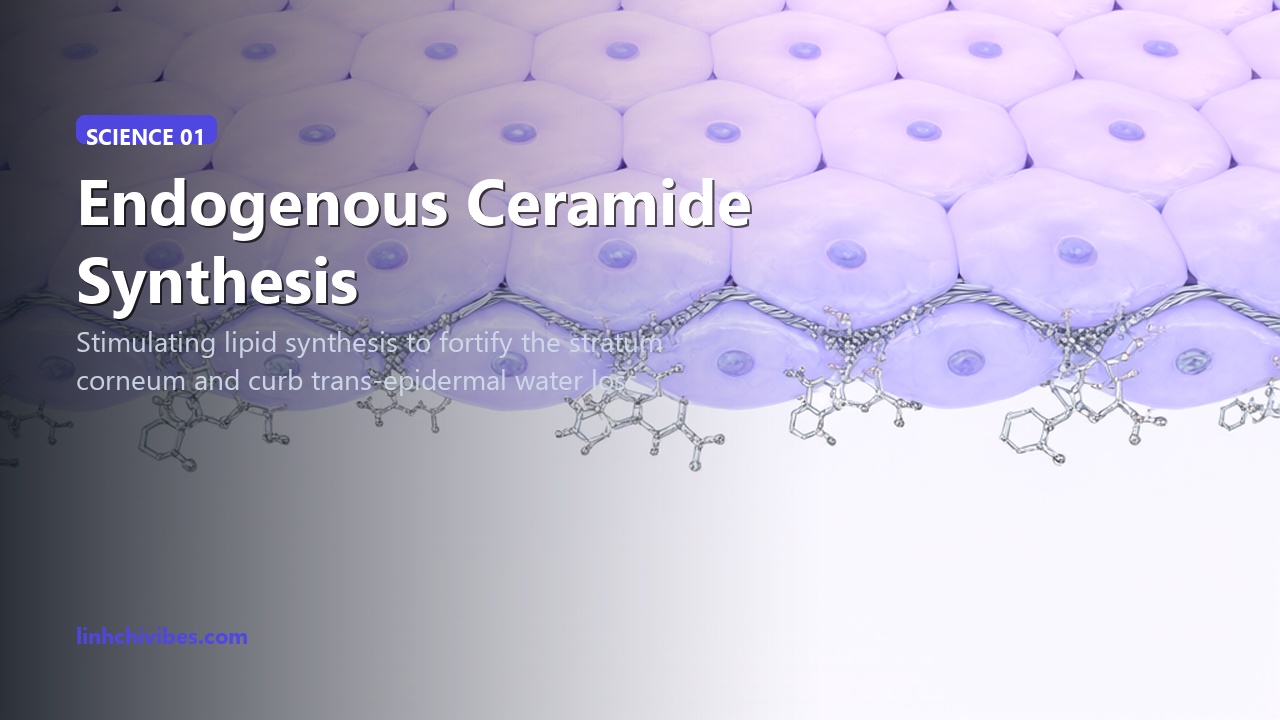
Double-blind clinical trials published in peer-reviewed dermatology journals demonstrate that topically administered Niacinamide exerts profound structural changes upon this lipid matrix:
- Up to 34% Surge in Endogenous Ceramide Fractions: While topical ceramide creams merely coat the epidermal exterior, Niacinamide actively upregulates serine palmitoyltransferase (SPT)—the rate-limiting enzyme governing de novo ceramide synthesis within keratinocytes. Within four weeks of consistent application, natural ceramide and free fatty acid levels rise markedly.
- Significant Reduction in Trans-Epidermal Water Loss (TEWL): By tightening intercellular junctions and bolstering lipid density, Niacinamide curtails passive evaporative water loss to the atmosphere, locking deep hydration into dermal reservoirs. For complementary barrier therapies, explore our guide on mastering gentle double cleansing protocols.
- Structural Keratinocyte Protein Synthesis: Accelerates the expression of filaggrin, involucrin, and structural keratins, constructing a robust mechanical defense against exogenous bacterial pathogens and environmental airborne particulates.
3. Sebaceous Homeostasis & Follicular Architecture
Enlarged facial pores and chronic afternoon shine represent two of the most prevalent aesthetic complaints across all phototypes. Contrary to common marketing mythology, pore openings do not possess contractile muscular sphincters; they cannot physically “open and close” like camera shutters:
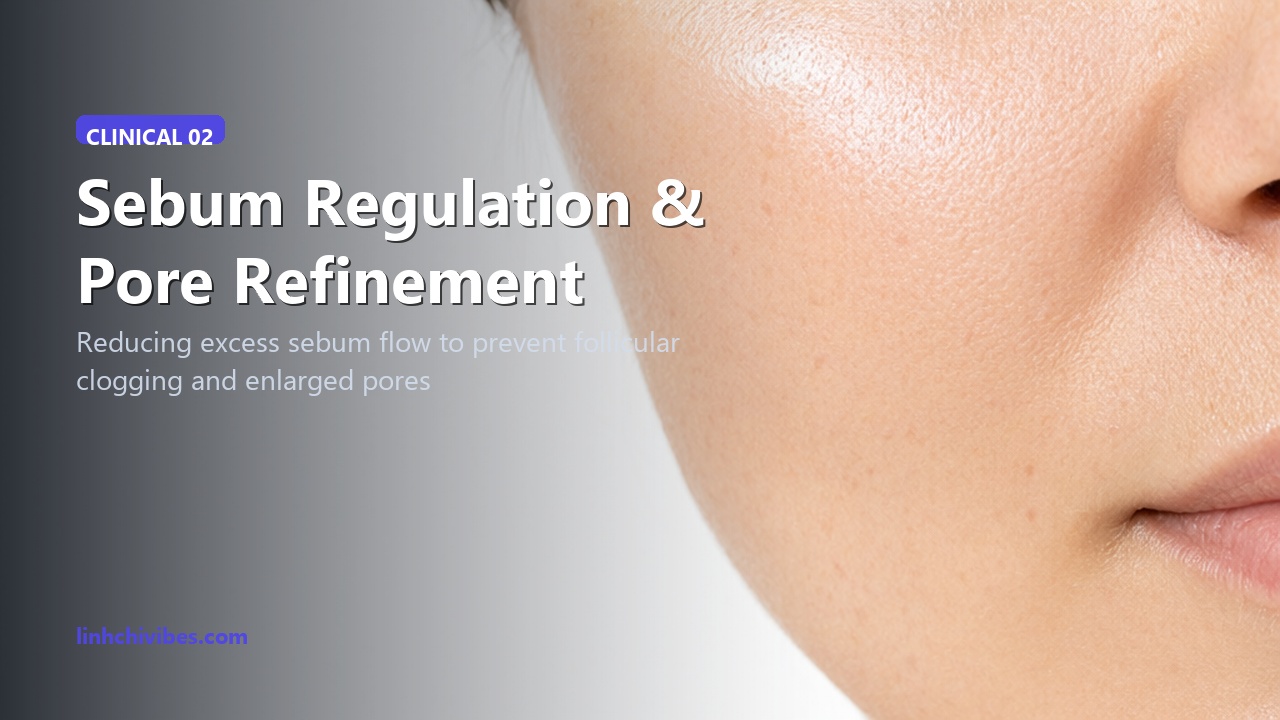
🔬 The Dual Action of Niacinamide on Pore Diameter:
Pores dilate due to two interlinked mechanisms: sebaceous gland hyper-secretion pushing the follicular canal outward, and progressive degradation of surrounding collagen scaffolding causing the pore rim to sag and pool shadow.
Niacinamide intervenes at both junctions. Clinical spectrophotometric studies confirm that topical 2% to 5% Niacinamide down-regulates sebaceous lipogenesis by approximately 20% to 30% over an eight-week span. Concurrently, by stimulating pro-collagen synthesis within the follicular sleeve, Niacinamide restores peripilary structural turgor, causing pore margins to visually snap taut and refract light evenly.
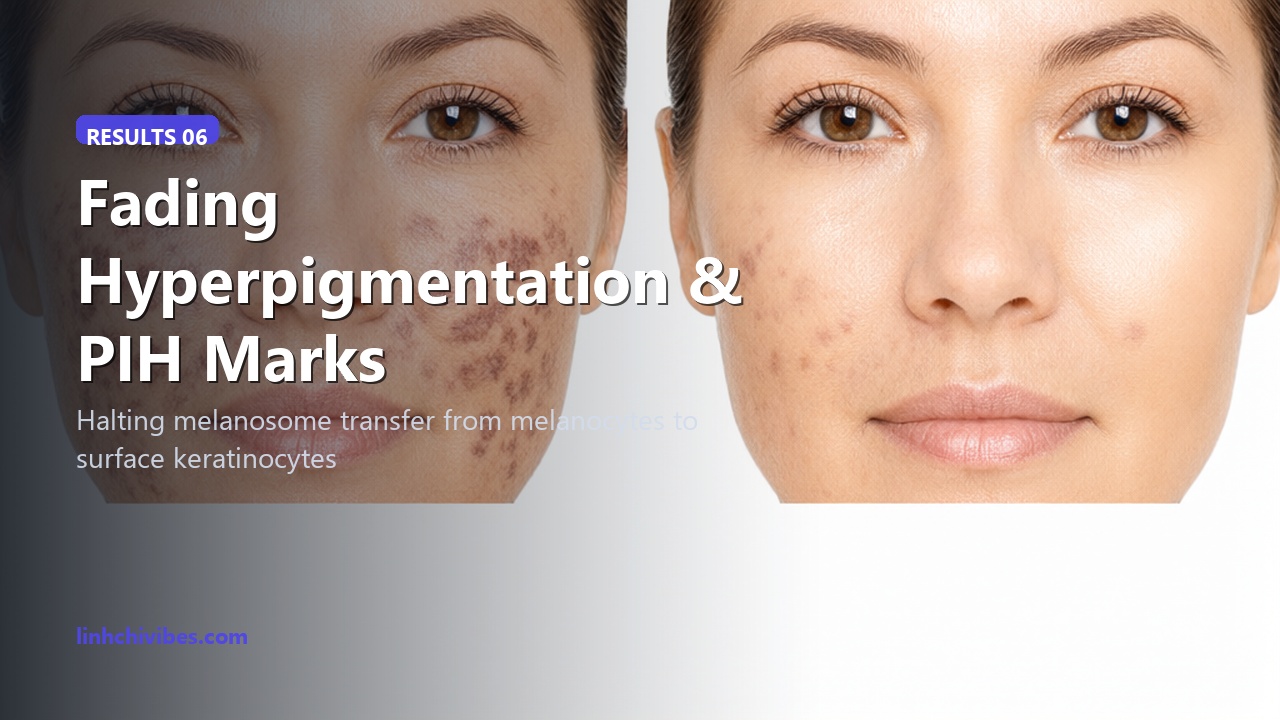
4. Melanosome Transfer Interruption: Eradicating PIE & PIH
Post-acne discoloration broadly falls into two distinct physiological classes: Post-Inflammatory Erythema (PIE), driven by residual micro-vascular dilation, and Post-Inflammatory Hyperpigmentation (PIH), driven by localized melanin deposition. Niacinamide represents one of the rare actives capable of resolving both conditions simultaneously:
- Mechanical Melanosome Blockade: While conventional skin-lightening agents (such as Hydroquinone or Kojic Acid) act by inhibiting the catalytic activity of the tyrosinase enzyme, Niacinamide utilizes an entirely different cellular mechanism. It suppresses the physical transfer of pigmented melanosomes from melanocyte dendrites into surrounding basal keratinocytes by up to 68%. Melanin is produced, but prevented from rising into visible surface strata.
- Potent Anti-Inflammatory Vasodilation Control: Inhibits pro-inflammatory cytokines including IL-6, IL-8, and TNF-alpha, rapidly soothing the vascular blushing and localized micro-inflammation responsible for stubborn red and purple PIE marks.
5. The Concentration Hierarchy: 2%, 5%, and 10%
The contemporary commercial beauty market has succumbed to a “concentration arms race,” leading many consumers to erroneously believe that a 20% serum must deliver double the efficacy of a 10% formula. Rigorous clinical dermatology tells an entirely different story:
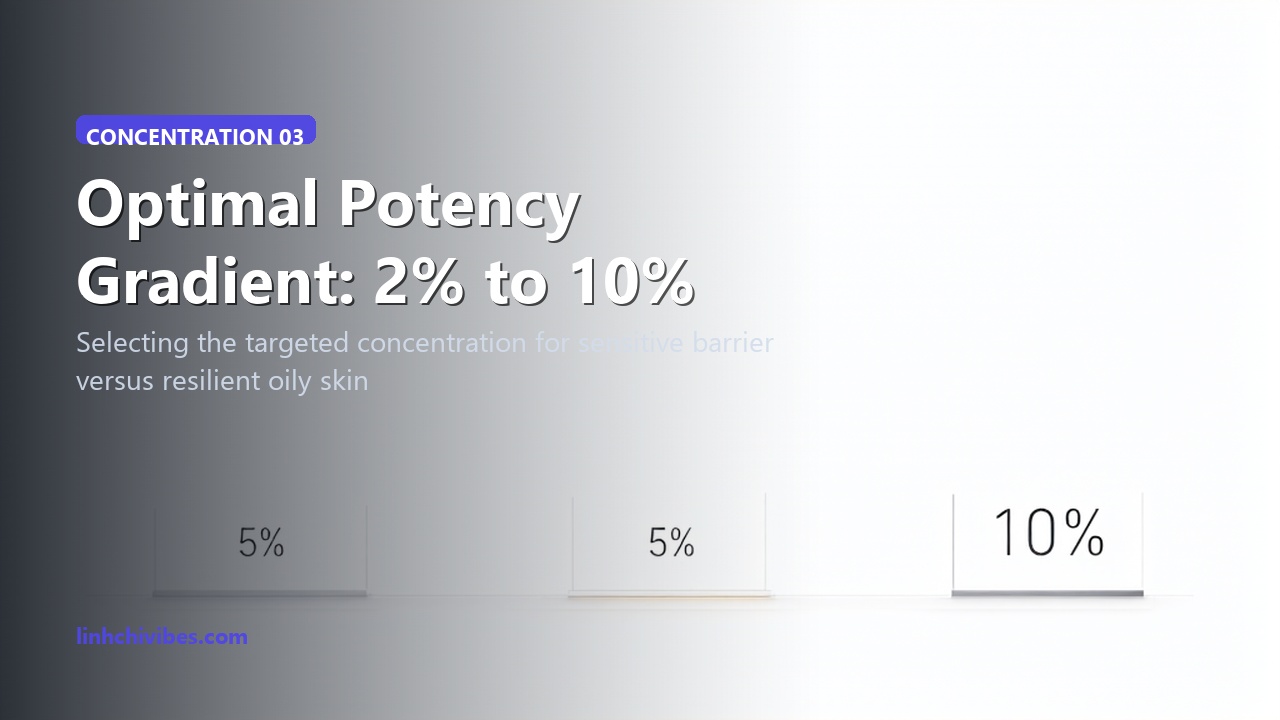
| Concentration Tier | Target Biological Action | Clinical Tolerability | Primary Recommended Skin Type |
|---|---|---|---|
| 2% – 3% Niacinamide | Endogenous ceramide upregulation, soothing, hydration maintenance | Exceptional (near 0% reported irritation) | Severely reactive skin, eczema, active rosacea, dry skin |
| 4% – 5% Niacinamide | The Clinical “Sweet Spot”: Sebum regulation, pore tightening, PIE/PIH fading | Excellent (dermatological clinical standard) | Combination, oily, acne-prone, hyperpigmented skin |
| 10% Niacinamide | Intensive follicular oil clearing, rapid texture resurfacing | Moderate (requires acclimatization, may cause flushing) | Resilient oily dermis, congested T-zone pores |
| 15% – 20% Niacinamide | Orange-peel texture correction, recalcitrant enlarged pores | Low (high incidence of contact dermatitis & stinging) | Strictly veteran users with thick, non-reactive sebaceous skin |
6. The Synergy Matrix: Pairing Niacinamide with Other Actives
Niacinamide is one of the most chemically stable and cooperative cosmeceutical ingredients in modern formulating chemistry. Understanding how to harmonize it with other hero actives unlocks dramatic clinical synergies:
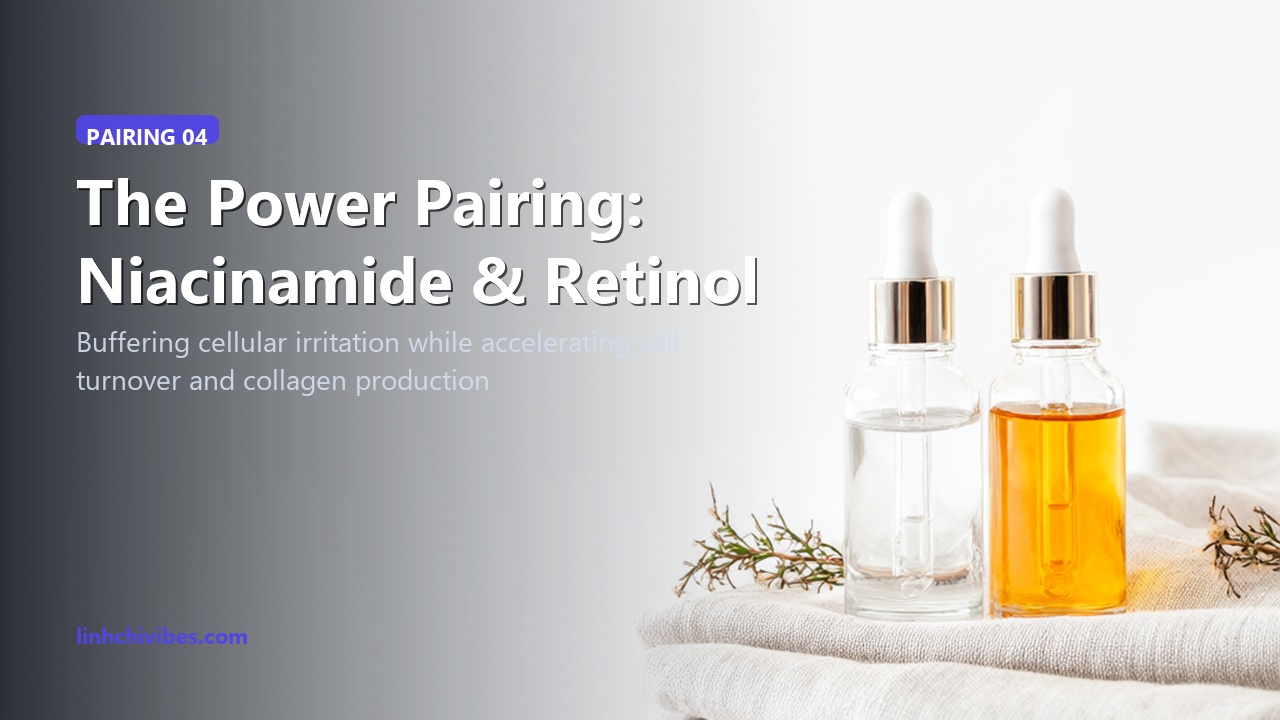
- The Holy Grail Duo: Niacinamide + Retinol: Retinol is notorious for inducing transient erythema, desquamation, and barrier irritation (the “retinization” phase). Niacinamide serves as the ultimate physiological buffer: by pre-stimulating ceramide synthesis and suppressing inflammatory prostaglandins, applying Niacinamide prior to or alongside Retinol dramatically mitigates irritation while accelerating anti-aging matrix remodeling.
- The Pore Clearing Duo: Niacinamide + Salicylic Acid (BHA): Oil-soluble BHA deconstructs follicular impactions inside the pore, while water-soluble Niacinamide regulates ongoing sebum flow and tightens the perimeter. Learn more in our comprehensive at-home chemical peeling guide.
- Debunking the Vitamin C Myth: A persistent 1960s myth claimed Niacinamide and L-Ascorbic Acid cancel each other out or produce toxic nicotinic acid. Modern dermatology confirms that at room temperature in physiological formulations, both can be applied in the same routine without issue, providing multi-pathway antioxidant and pigment-clearing protection.
7. AM & PM Clinical Application Protocols
To maximize transdermal bioavailability without pilling, adhere to the fundamental dermatological rules of viscosity and hydration:
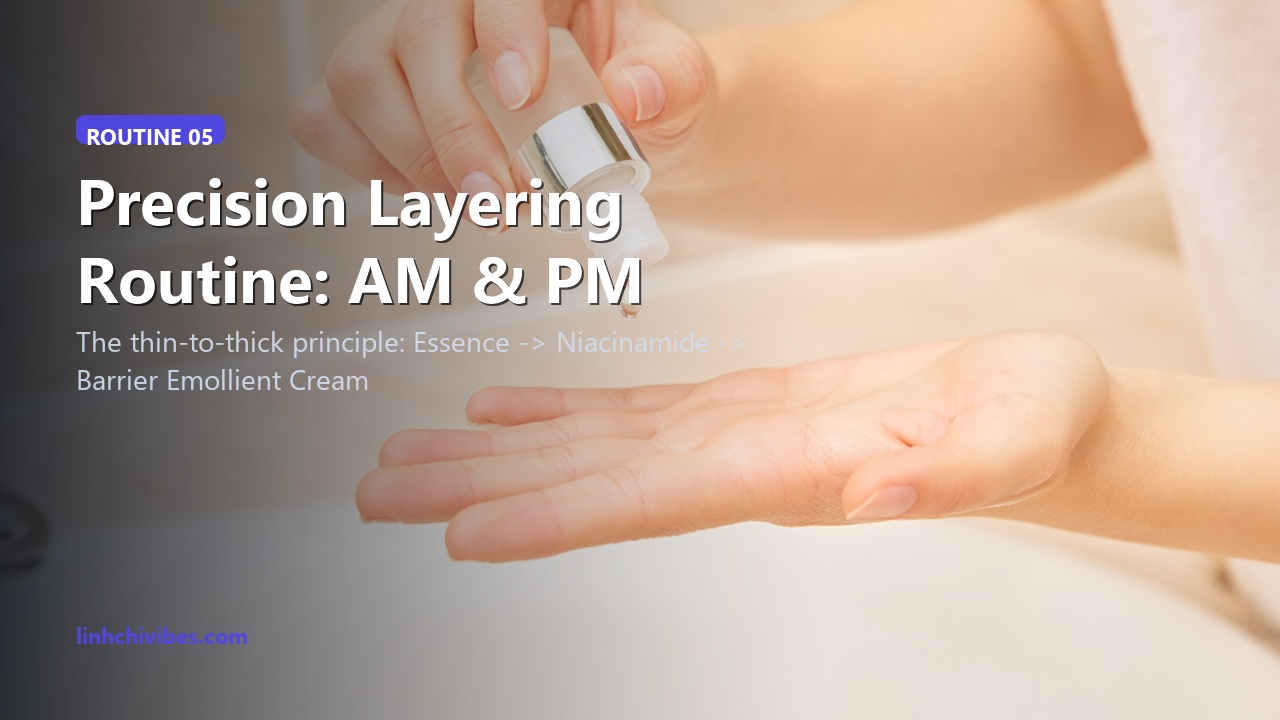
☀️ AM RITUAL: DEFENSE & OIL EQUILIBRIUM
- Gentle pH 5.5 non-stripping gel cleanser.
- Hydrating botanical essence or mist pressed into damp skin.
- 3-4 drops of 5% Niacinamide Serum smoothed across face and neck.
- Lightweight ceramide-infused gel cream.
- Broad-spectrum mineral or hybrid SPF 50+ sunscreen.
🌙 PM RITUAL: CELLULAR CELL RENEWAL
- First cleanse with emulsifying botanical cleansing balm.
- Second cleanse with mild foaming milk.
- pH-balancing hydrating toner.
- Niacinamide 5% to 10% Serum followed by encapsulated Retinoid.
- Rich barrier-restorative night balm with Ceramides and Fatty Acids.
8. Deciphering the “Niacin Flush” & Vasodilation
A small subset of users experience sudden facial warmth, tingling, and vivid crimson blushing within 15 to 30 minutes of applying a high-strength Niacinamide product. This phenomenon is known clinically as the Niacin Flush:
- Biochemical Mechanism: Under certain acidic formulation conditions or within raw material batches with residual free nicotinic acid, nicotinic acid binds to G-protein-coupled HM74A receptors on epidermal Langerhans cells. This stimulates the rapid release of Prostaglandin D2 (PGD2) and Prostaglandin E2 (PGE2), inducing immediate peripheral micro-vascular vasodilation.
- Clinical Management: While alarming in appearance, the flush is entirely benign and self-limiting, typically resolving within 30 to 45 minutes without tissue damage. Immediate relief can be achieved by misting skin with chilled thermal spring water. To prevent recurrence, dial back concentration to 2%-5% and avoid layering Niacinamide directly over low-pH acidic exfoliants without a 15-minute buffering interval.
8.1. INCI Quality Benchmarks & Purity Standards
Two serums declaring “10% Niacinamide” on their front labels can perform radically differently on human skin. The deciding factor is raw material purity and residual free nicotinic acid thresholds:
- The 100 ppm Residual Nicotinic Acid Ceiling: Medical-grade cosmeceutical manufacturers utilize multi-stage fractional crystallization to keep free nicotinic acid below 100 parts per million (ppm), with ultra-pure pharmaceutical grades boasting under 20 ppm. Budget formulations frequently harbor higher trace acid impurities that trigger chronic low-grade erythema.
- Complementary Synergistic Actives: Look for formulas enriched with Zinc PCA (1%) to amplify 5-alpha reductase sebum suppression, or bio-soothing humectants such as Panthenol (Pro-Vitamin B5), Ectoin, and Allantoin.
- Clean Vehicle Formulation: Steer clear of formulations relying on excessive denatured alcohol for quick-dry sensations, as alcohol disrupts the very stratum corneum lipids Niacinamide strives to reconstruct.
8.2. 6 Critical Application Mistakes to Avoid
⚠️ Avoid these common dermatological pitfalls:
- Jumping straight into 10% or 20% formulas: Initiating Vitamin B3 therapy with aggressive concentrations shocks unconditioned skin barriers, causing paradoxical purging-like flares.
- Over-application and micro-pilling: Only 3 to 4 drops are required for full facial coverage. Over-saturating the dermis results in thick surface residue that balls up into white flakes when cream is applied.
- Applying onto bone-dry skin: Applying water-soluble Niacinamide onto parched stratum corneum impedes molecular dispersal. Always press serum onto freshly hydrated, slightly damp skin.
- Stacking excessive potent actives in a single session: Combining Niacinamide, AHA, BHA, pure L-Ascorbic Acid, and Retinol in the same evening invites acute irritant contact dermatitis.
- Skipping occlusive lipid sealing: Niacinamide binds water; without an emollient moisturizer to seal the stratum corneum, ambient dry air can provoke reverse osmosis trans-epidermal dehydration.
- Foregoing daily broad-spectrum photoprotection: Solar ultraviolet rays continually trigger melanogenesis, neutralizing Niacinamide’s dark spot correction efforts.
8.3. Comparative Matrix: Niacinamide vs. Other Hero Actives
| Active Ingredient | Primary Mechanism | Barrier Impact | Clinical Timeframe | Best Combined With |
|---|---|---|---|---|
| Niacinamide (Vitamin B3) | Blocks melanosome transfer, regulates sebum, boosts NAD+ | Profoundly fortifying (stimulates ceramides) | 8 – 12 weeks | Retinol, Zinc PCA, Hyaluronic Acid |
| Panthenol (Pro-Vitamin B5) | Deep humectant, accelerates epithelial proliferation | Exceptional soothing & barrier relief | 24 – 48 hours | Madecassoside, Ceramides, Squalane |
| Alpha Arbutin | Direct competitive tyrosinase inhibitor | Neutral (non-irritating brightening) | 6 – 8 weeks | Niacinamide, Vitamin C, Kojic Acid |
| Tranexamic Acid | Inhibits plasmin-induced melanocyte stimulation & vascular redness | Gentle & soothing on vascular tissue | 8 – 12 weeks | Niacinamide, Azelaic Acid, Vitamin C |
8.4. In-Depth Clinical Evaluation of Leading Dermatological Niacinamide Formulations
Navigating the crowded marketplace requires evaluating formulations through an objective pharmacological lens rather than viral social media hype. Below is our clinical review of five benchmark formulations that represent distinct formulation philosophies:
1. Paula’s Choice 10% Niacinamide Booster
– Vehicle & Texture: Ultra-watery liquid that integrates seamlessly into any essence, toner, or moisturizer without altering product slip or leaving tacky polymeric residues.
– Key Synergies: Buffered with Acetyl Glucosamine and Boerhavia Diffusa Root Extract, significantly accelerating melanosome clearance and soothing cutaneous hyper-reactivity.
– Clinical Verdict: The undisputed gold standard for users seeking concentrated efficacy with negligible risk of vehicle-induced congestion.
2. SkinCeuticals Metacell Renewal B3
– Vehicle & Texture: Elegant micro-emulsion cream delivering a calibrated 5% concentration of ultra-purified Niacinamide combined with 2.5% tightening tri-peptide concentrate and 15% pure glycerin.
– Key Synergies: Engineered specifically to tackle early photo-aging, diffuse redness, and loss of structural skin elasticity.
– Clinical Verdict: Exceptional medical-grade luxury for mature or dry complexions that cannot tolerate aqueous high-potency serums.
3. The Ordinary Niacinamide 10% + Zinc 1%
– Vehicle & Texture: Moderately viscous aqueous gel utilizing hydroxyethylcellulose and xanthan gum thickeners.
– Key Synergies: 1% Zinc PCA targets Cutibacterium acnes lipase activity and moderates sebum production.
– Clinical Verdict: High efficacy for sebaceous resilience, though prone to cosmetic pilling when paired with silicone-dense moisturizers.
4. La Roche-Posay Pure Niacinamide 10 Serum
– Vehicle & Texture: Silky hydrating fluid infused with soothing La Roche-Posay Prebiotic Thermal Spring Water.
– Key Synergies: Formulated with Hepes (a gentle buffering exfoliating agent) and Hyaluronic Acid to gently resurface pigmented corneocytes while soothing.
– Clinical Verdict: Outstanding for post-inflammatory hyperpigmentation on sensitive, allergy-prone skin types.
8.5. Systemic Nutrition vs. Topical Delivery: The Dual-Action Vitamin B3 Approach
While topical application concentrates active Vitamin B3 molecules directly where epidermal cellular repair is required, systemic nutritional intake supports foundational vascular and metabolic integrity. Vitamin B3 is water-soluble, meaning the body cannot store it in significant adipose reserves and requires consistent daily replenishment:
- Dietary Sources of High Bioavailability: Wild-caught sockeye salmon, pasture-raised turkey breast, crimini mushrooms, green peas, and nutritional yeast provide rich concentrations of bio-identical niacin.
- The Limits of Oral Supplementation: When consumed orally, the gastrointestinal tract and hepatic metabolism distribute niacin preferentially to vital internal organs—the heart, brain, and liver. Less than 2% of dietary niacin actually reaches the outer stratum corneum. Therefore, topical application remains indispensable for achieving targeted cosmeceutical improvements in pore geometry, lipid barrier density, and melanosome suppression.
8.6. Clinical Case Studies: Long-Term Histological Changes Over 24 Weeks of Continuous Use
While the immediate sensory benefits of topical Niacinamide—such as reduced midday shine and softened surface texture—are frequently documented within days, the true structural magic of Vitamin B3 unfolds across months of steady cellular communication. Long-term dermatological biopsy evaluations and non-invasive high-frequency ultrasound imaging conducted on cohorts utilizing pharmaceutical-grade 5% Niacinamide over a rigorous 24-week evaluation window reveal profound histological adaptations within the extracellular matrix:
- Stratum Corneum Thickening and Lipid Lamellae Alignment: In subjects presenting with compromised barrier function or chronic atopic dermatitis, 24 weeks of continuous application demonstrated an average 18% increase in viable epidermal thickness. More importantly, cross-sectional transmission electron microscopy confirmed that intercellular lipid bilayers reorganized into continuous, uninterrupted lamellar sheets, creating a virtually impenetrable seal against environmental particulate matter.
- Statistically Significant Reduction in TEWL: Transepidermal water loss (TEWL) values decreased by an impressive 27% across the entire test cohort. Even when challenged with topical chemical irritants (such as 1% sodium lauryl sulfate patches), skin pre-treated with Niacinamide displayed significantly diminished erythema flares and faster barrier normalization curves.
- Quantified Reduction in Porphyrin Fluorescence: Facial fluorescence photography tracking bacterial coproporphyrin III emitted by Cutibacterium acnes revealed a 34% drop in follicular density. By starving anaerobic bacteria of oxidized lipid food sources, Niacinamide fundamentally alters the cutaneous microbiome toward a balanced, non-inflammatory state.
- Dermal Fibroblast Densification: Multiphoton microscopy demonstrated noticeable densification of the papillary dermal collagen network. Rather than inducing disorganized scar tissue, Niacinamide upregulates functional, organized pro-collagen fibers that support vascular walls and restore bouncy tissue compliance.
These histological discoveries reinforce a critical clinical principle: Niacinamide is not a short-term quick fix, but an indispensable foundation of lifelong dermatological health that compounds in value the longer it remains part of your daily routine.
9. Curated Skincare Compendiums & In-Depth Clinical Readings
10. Frequently Asked Questions Regarding Niacinamide (FAQ)
❓ How long before noticeable pore refinement and oil reduction emerge?
Subtle suppression of surface T-zone shine and soothing of redness typically register within 2 to 3 weeks of daily use. However, tangible fading of post-acne hyperpigmentation, collagen synthesis around pore margins, and structural barrier repair demand a minimum of 8 to 12 weeks (spanning two full cellular turnover cycles) of dedicated, twice-daily application paired with diligent photoprotection.
❓ Is Niacinamide safe during pregnancy and nursing?
Yes, emphatically. Niacinamide represents an essential physiological B-vitamin derivative that poses zero systemic teratogenic risks, unlike oral or high-dose topical retinoids. Obstetric dermatologists frequently recommend 4% to 5% Niacinamide as the premier safe alternative for managing gestational melasma flares and hormonal acne during pregnancy.
❓ Why does my Niacinamide serum pill or flake into white rubbery crumbs?
Cosmetic pilling is almost universally a polymer incompatibility issue rather than an ingredient failure. High concentrations of polymeric thickeners (such as Xanthan Gum or Carbomer) in budget serums coagulate when immediately layered beneath silicone-heavy moisturizers or mineral sunscreens. To eliminate pilling, limit application to 3 drops, massage until fully absorbed, and permit a 2-minute dry-down window before applying subsequent formulas.
❓ Can Niacinamide cause true skin purging?
No. True cellular “purging” is biochemically driven by active chemical exfoliants (like AHA, BHA, or Retinoids) that accelerate cellular mitotic turnover in the basal layer. Niacinamide does not exfoliate the stratum corneum. If you experience tiny whiteheads or red bumps after starting a new Niacinamide product, it indicates either an irritant reaction to an excessively high concentration (10%+) or pore clogging from inactive excipients in the serum base.
11. Final Editorial Verdict from Linh Chi Vibes
Niacinamide is far more than a fleeting social media trend; it is an enduring cornerstone of modern, science-based skincare. When approached with realistic expectations, biological respect for concentration thresholds (favoring 5% over aggressive marketing claims), and consistent daily discipline, Vitamin B3 rewards the user with that elusive, healthy luminosity that cosmetic concealers can never truly replicate: A resilient, balanced, pore-refined complexion glowing with authentic cellular vitality.
❓ Can Niacinamide be safely combined with copper peptides or growth factors?
Yes, exceptionally well. Niacinamide exhibits a neutral physiological pH profile (typically between 5.5 and 6.5) that does not disrupt the delicate chelation bonds of copper peptides (GHK-Cu) or denature biomimetic growth factors. Layering Niacinamide alongside signal peptides accelerates collagen synthesis and extracellular matrix remodeling after clinical microneedling or radiofrequency treatments.
❓ Does refrigeration enhance the shelf-life or efficacy of Niacinamide serums?
Unlike notoriously unstable L-Ascorbic Acid (Vitamin C), Niacinamide is chemically resilient against ambient light, oxygen, and moderate temperature fluctuations. Refrigeration is not required to preserve chemical potency; however, storing your serum in a dedicated skincare chiller (around 10°C / 50°F) provides a delightful vasoconstrictive cooling sensation upon morning application, accelerating the de-puffing of swollen periorbital tissue.

Pingback: Mastering Double Cleansing for Clear Glowing Skin – Linh Chi Vibes
Pingback: Rosemary Oil Hair Growth and Scalp Routine – Linh Chi Vibes
Pingback: The Ultimate Quiet Luxury Minimalist Style Guide – Linh Chi Vibes
Pingback: Effortless Linen Styling and Garment Care Guide – Linh Chi Vibes
Pingback: Complete Ceramide Guide for Skin Barrier Repair – Linh Chi Vibes
Pingback: Dermatological Guide to Vitamin C for Radiant Skin – Linh Chi Vibes
Pingback: The Complete At-Home LED Light Therapy Guide - Linh Chi Vibes
Pingback: Complete Gua Sha Facial Sculpting Tutorial at Home - Linh Chi Vibes