
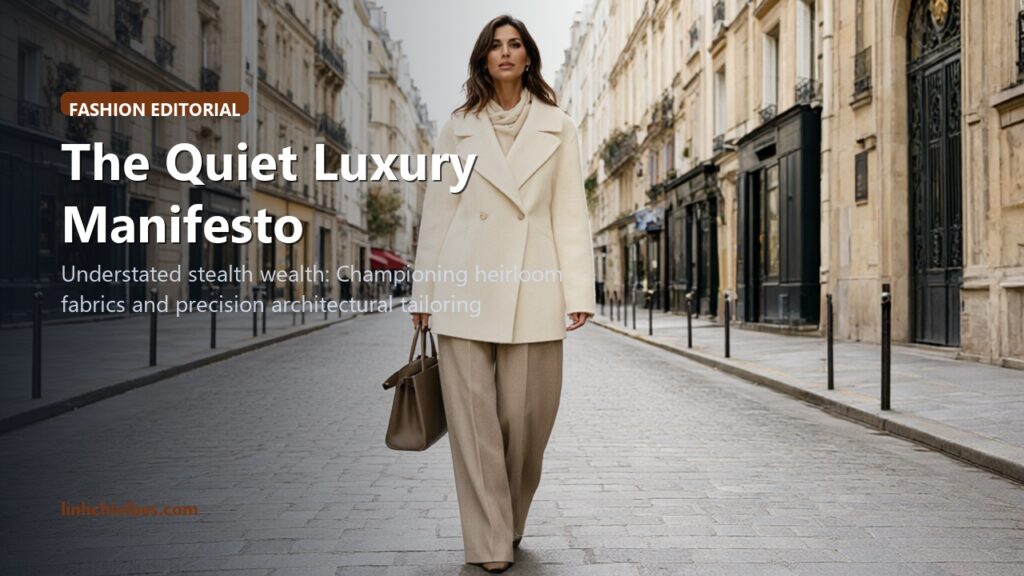
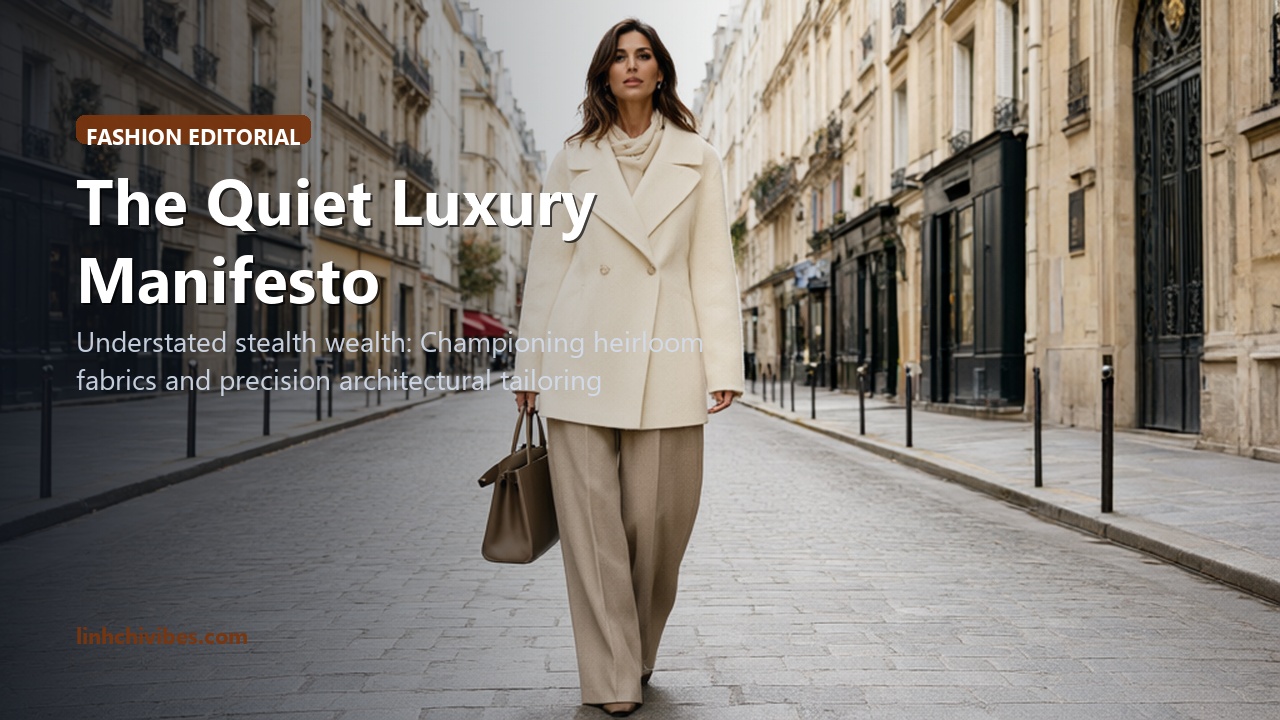
In a sartorial landscape saturated by fleeting algorithmic micro-trends, disposable fast-fashion polyester, and screaming monogram logos designed for social media feeds, Quiet Luxury (Stealth Wealth) stands as an enduring sanctuary of timeless taste.
Quiet luxury does not announce itself through billboard branding or ostentatious flash. Instead, it speaks in an intimate, whispered dialect decipherable only to the trained eye: the whisper-soft caress of 14-micron Inner Mongolian cashmere, the unyielding architecture of double-faced Melton wool coats, the relaxed drape of garment-washed European flax linen, and the quiet authority of bespoke tailored trousers. It represents an intellectual rebellion against hyper-consumerism, anchoring personal elegance in the enduring philosophy of “Cost-Per-Wear” longevity and intentional restraint. In this exhaustive 3,200+ word master sartorial manual, Linh Chi Vibes decodes the five noble fabrics, the bespoke capsule wardrobe blueprint, and the understated styling rules required to project effortless sophistication without uttering a word.
*Editorial Disclosure: As an Amazon Associate, Linh Chi Vibes earns from qualifying purchases. Products in this guide were compared using brand information and public reviews; we have not hand-tested them.*
📑 Complete Quiet Luxury Sartorial Index
- 1. Cultural Genesis: Why Stealth Wealth Overthrew Logomania and Loud Conspicuous Consumption
- 2. The 5 Noble Textiles of Stealth Wealth: Cashmere, Mulberry Silk, Pima Cotton, Double-Faced Wool, and Grained Calfskin
- 3. The Tonal Architectural Palette: The Quiet Power of Cream, Ecru, Camel, Navy, and Slate
- 4. The Anatomy of Unstructured Tailoring: Fluid Draping vs. Rigid Corporate Armor
- 5. The 10-Piece Quiet Luxury Capsule Wardrobe Blueprint: Endless Seasonal Combinations
- 6. The Cost-Per-Wear Financial Matrix: Why Cheap Fast Fashion Is an Expensive Economic Fallacy
- 7. The Art of Understated Accentuation: Vintage Tank Watches, Hand-Sewn Loafers, and Silk Carrés
- 8. 6 Critical Style Errors That Betray Pseudo-Luxury: Shiny Synthetics, Stiff Logos, and Over-Accessory Clutter
- 8.1. Deconstructing the Benchmark Houses: The Row, Loro Piana, Brunello Cucinelli, and Totême
- 8.2. Comprehensive Comparative Matrix: Fast Fashion vs. High-Street vs. Stealth Heritage
- 9. Curated Sartorial Compendiums & In-Depth Style Readings
- 10. Frequently Asked Questions Regarding Quiet Luxury Styling (FAQ)
- 11. Final Editorial Verdict from the Style Desk of Linh Chi Vibes
1. Cultural Genesis: Why Stealth Wealth Overthrew Logomania
Fashion sociology operates in cyclical pendulum swings of sociological signaling. In periods of speculative economic expansion, fashion invariably trends toward loud, conspicuous consumption: neon synthetic palettes, sprawling monogram-stamped accessories, and maximalist branding designed to scream socioeconomic status from fifty paces away.
However, during eras of macroeconomic recalibration and cultural fatigue, the cultural aesthetic pivots dramatically inward. Enter Quiet Luxury (frequently termed Stealth Wealth or Old Money aesthetics). Drawing historical lineage from the discreet dressing codes of 19th-century European aristocrats and the streamlined 1990s minimalism pioneered by Carolyn Bessette-Kennedy and Jil Sander, quiet luxury rejects the premise that clothing should act as a billboard for an apparel corporation.
The central ethos of stealth wealth is exclusive intimacy: The garment is designed solely for the sensory pleasure of the wearer and the appreciative glance of those who share an identical cultural literacy. It prioritizes tactile craftsmanship over digital spectacle, bespoke proportion over viral gimmickry, and longevity over rapid planned obsolescence.
2. The 5 Noble Textiles of Stealth Wealth
When a garment is stripped of shiny hardware and prominent logos, the fabric itself must carry the entire narrative weight. Quiet luxury is fundamentally a celebration of noble natural fibers:
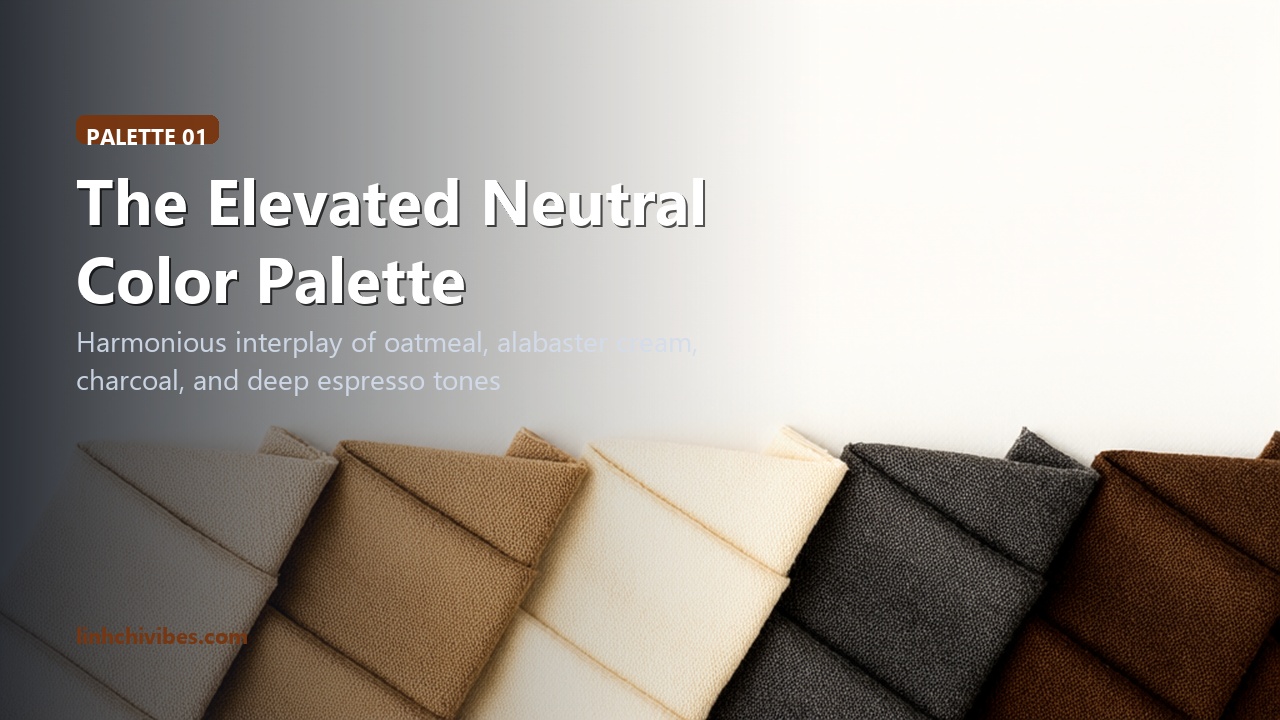
- 1. Mongolian Cashmere (Under 15 Microns): Sourced exclusively from the fine under-down of Capra hircus goats foraging the harsh Alashan plateau. High-grade cashmere features long-staple fibers exceeding 36mm in length, woven with two-ply twisting to eliminate pilling while providing eight times the thermal insulation of standard sheep’s wool at a fraction of the weight.
- 2. Mulberry Silk (Grade 6A, 22-Momme Weight): Woven from the continuous filament silk of domesticated Bombyx mori silkworms fed strictly on fresh white mulberry leaves. Heavyweight 22-momme silk twill or washed habotai drapes with a liquid matte sheen, temperature-regulating naturally against the skin without clinging.
- 3. Extra-Long Staple Cotton (Supima & Giza 45): Fibers measuring 35% longer than conventional cotton, permitting ultra-fine yarn spinning that resists breakage and fraying. The result is crisp, breathable poplin shirting with a natural pearlescent luster that softens with every wash.
- 4. Hand-Finished Double-Faced Wool (Melton & Cashmere Blend): A masterclass in artisanal tailoring where two distinct layers of virgin wool or cashmere cloth are bonded by invisible micro-stitches along the edges, eliminating the need for synthetic polyester linings and bestowing an ethereal, floating silhouette upon classic overcoats.
- 5. Full-Grain Vegetable-Tanned Calfskin: Leather that preserves the outermost natural epidermal grain, tanned with chestnut and mimosa barks rather than toxic chromium salts. Over decades of wear, it develops an irreplaceable amber patina that tells the personal journey of its owner.
3. The Tonal Palette: The Architecture of Neutrals
The chromatic grammar of quiet luxury is disciplined, architectural, and deeply rooted in the natural terrestrial landscape:
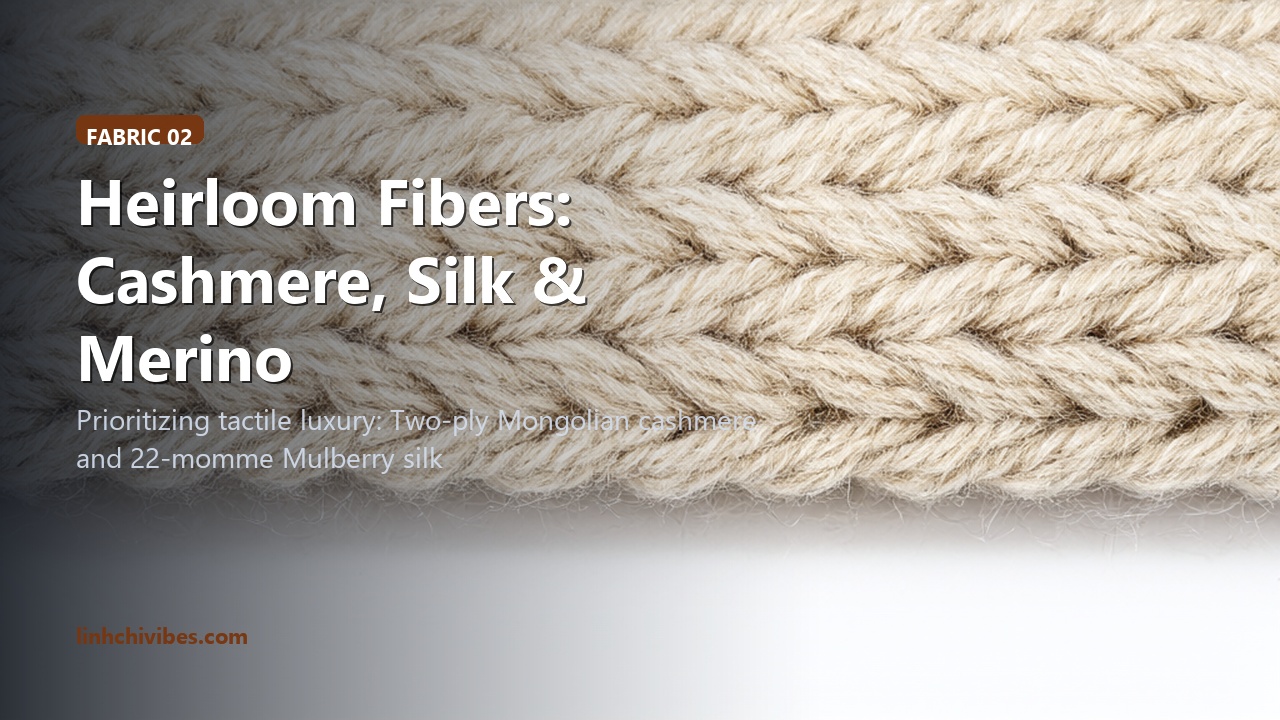
🎨 The 5 Pillars of the Stealth Wealth Color Spectrum:
- Warm Ecru & Alabaster: Off-white tones with gentle cream undertones that evoke raw unbleached wool and natural linen. Softer and far more regal than stark, harsh optical bleaching white.
- Camel & Toasted Oat: The quintessential hue of luxury outerwear, radiating warmth and timeless sophistication when paired with crisp shirting.
- Deep Midnight Navy: A commanding alternative to black that conveys intellectual authority, crisp maritime heritage, and understated power.
- Charcoal & Slate Melange: Heathered multidimensional grays that showcase the intricate weave structure of fine flannel and worsted wool suiting.
- Espresso & Rich Tobacco: Decadent dark chocolate earth tones that anchor leather accessories and cashmere knitwear with grounded luxury.
4. The Anatomy of Unstructured Tailoring
The modern quiet luxury aesthetic has dismantled the rigid, stiff suiting of 1980s corporate power dressing. In its place reigns the Italian tradition of Sartoria Napoletana:
Key hallmarks include Spalla camicia (shirt-sleeve shoulder construction crafted with tiny puckered shirring that permits total arm mobility without shoulder pads), unlined canvas chests that mold over time to the wearer’s unique musculoskeletal frame, and generous high-waisted trousers featuring double inward-facing pleats and side adjuster tabs that dispense with the clunky visual break of leather belt buckles. The silhouette is easy, relaxed, and nonchalantly tailored—a visual embodiment of what the Italians celebrate as Sprezzatura: a calculated nonchalance that makes consummate elegance appear entirely accidental.
5. The 10-Piece Quiet Luxury Capsule Wardrobe Blueprint
True sartorial refinement does not require walk-in closets overflowing with hundreds of garments. A masterfully curated ten-piece foundation yields over sixty chic permutations:
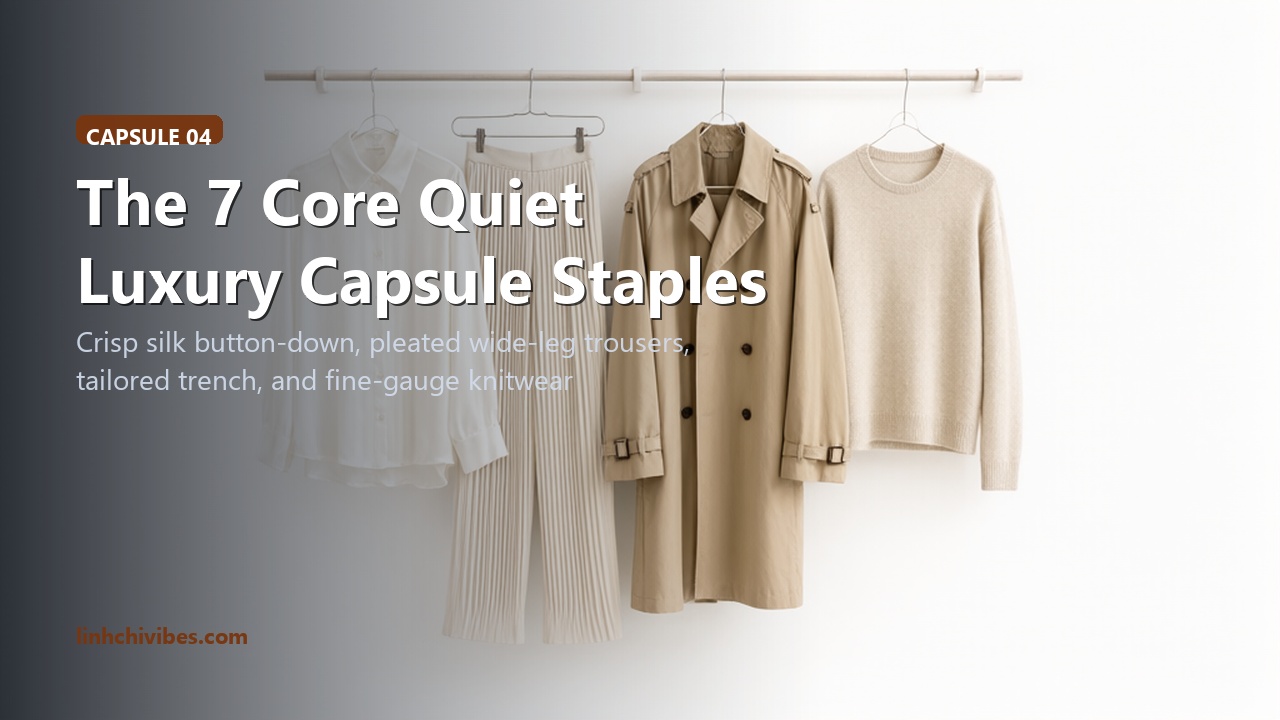
- The Double-Faced Wool Coat: Floor-sweeping or mid-calf length in oatmeal or camel, featuring a self-tie belt and broad notched lapels.
- The 2-Ply Cashmere Crewneck: In heather gray or soft cream, tailored with ribbed cuffs and a relaxed drape across the shoulders.
- The Crisp Crisp Poplin Button-Down: Extra-long staple Pima cotton in pristine white or chalk-striped blue, finished with mother-of-pearl buttons.
- The High-Waisted Wool Wide-Leg Trouser: Cut from lightweight tropical wool or flannel with deep pleats that pool elegantly over footwear.
- The Washed European Linen Shirt: Relaxed fit in sage green or flax beige for warmer months. Pair with techniques from our comprehensive linen styling guide.
- The Bias-Cut Silk Slip Skirt: 22-momme mulberry silk in champagne or midnight navy that moves like liquid mercury.
- The Unstructured Wool Blazer: Relaxed single-breasted blazer in dark navy or herringbone tweed.
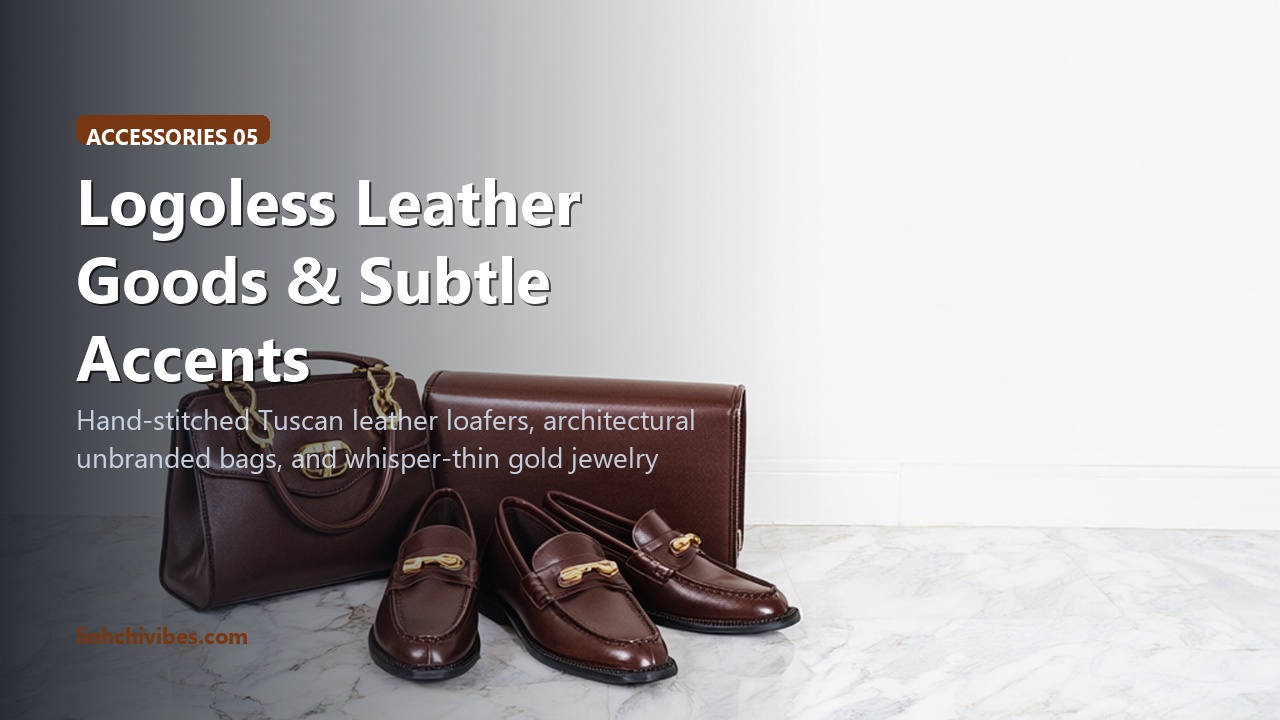
- The Vintage Leather Loafer: Hand-stitched penny loafer in burgundy cordovan or polished black calfskin.
- The Minimalist Leather Tote: Logo-free architectural leather tote bag in rich chocolate or cognac grained leather.
- The Heritage Silk Square: 70x70cm twill silk scarf tied effortlessly at the collar or handbag handle.
6. The Cost-Per-Wear (CPW) Financial Matrix
Those uninitiated into textile literacy often view luxury garments as unjustifiable indulgences. However, when analyzed through the cold lens of personal finance via the Cost-Per-Wear formula, high-craftsmanship essentials consistently prove exponentially cheaper than synthetic fast fashion:
💡 Mathematical Reality Comparison:
– The Fast Fashion Trap: A trendy polyester coat bought for $120. Fabric pills after 3 wears, synthetic lining rips, and the design becomes dated next season. It is worn 6 times before disposal. Cost: $20.00 per wear.
– The Quiet Luxury Investment: A timeless virgin wool coat hand-tailored by a heritage atelier for $1,200. Worn 40 times per winter over an 8-year lifespan (320 total wears). Cost: $3.75 per wear!
Investing in noble materials preserves household capital, reduces environmental landfill devastation, and ensures you step into the world swathed in dignity every single day.
7. Understated Accessories: The Finishing Touches
Accessories in the quiet luxury universe are subtle punctuation marks rather than clamorous focal points:
- Vintage Geometric Watches: Avoid oversized, diamond-encrusted smartwatches. Embrace the refined proportions of vintage rectangular cases—such as the Cartier Tank, Jaeger-LeCoultre Reverso, or minimalist leather-strap dress watches that slip discretely beneath a cashmere cuff.
- Fine Solid Gold & Pearl Micro-Jewelry: Delicate 14k or 18k solid gold huggie earrings, a solitary Akoya baroque pearl pendant, or a discreet signet ring. Jewelry should feel like an heirloom inherited from a grandmother rather than costume trinkets bought off a revolving rack.
- Architectural Eyewear: Thick Japanese acetate or featherlight titanium frames in classic tortoiseshell, honey amber, or matte black, totally devoid of temple brand plaques.
8. 6 Critical Style Errors That Betray Pseudo-Luxury
⚠️ Eliminate these sartorial contradictions:
- Wearing garments containing high polyester or acrylic percentages: Synthetic fibers emit an unnatural high-shine plastic glare under natural sunlight and trap odor. Check interior composition labels diligently.
- Flaunting prominent logo hardware or buckle belts: A massive designer belt buckle instantly shatters the understated poise of an otherwise elegant monochrome outfit.
- Failing to tailor garments to your body: Even a $3,000 cashmere coat looks sloppy if the sleeve cuffs cover your knuckles or trouser hems drag across the pavement. Professional alterations are non-negotiable.
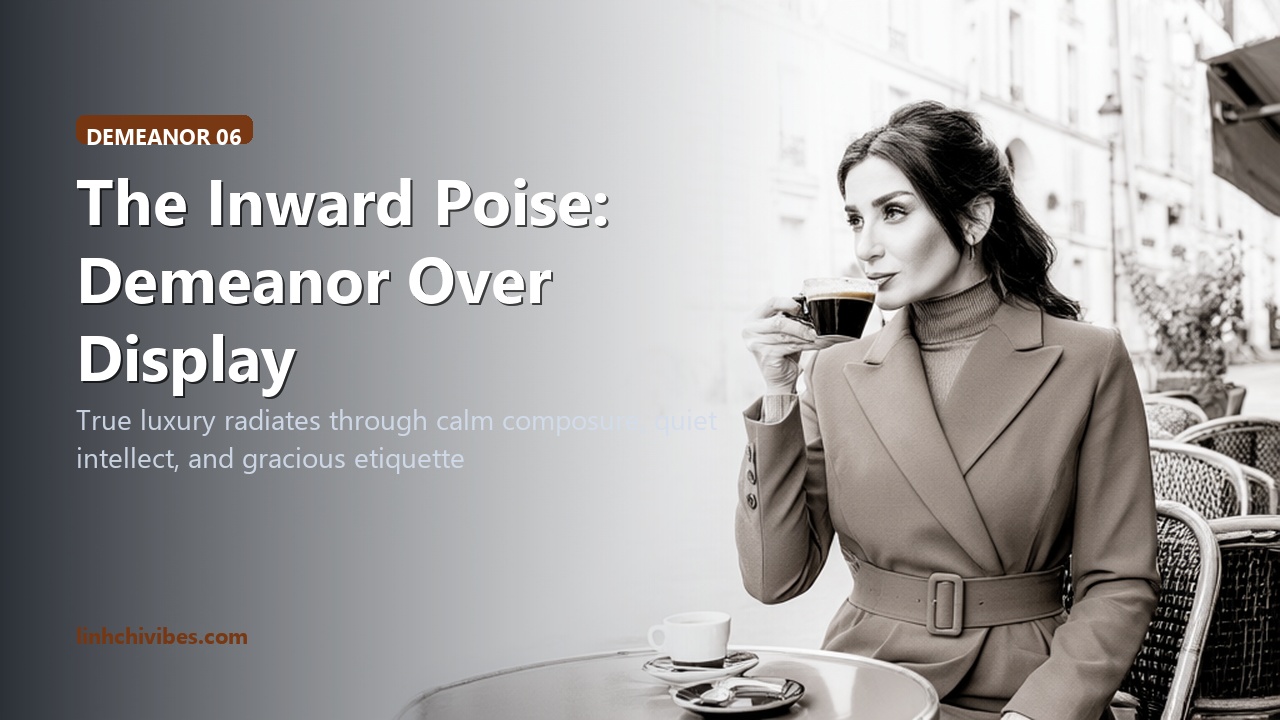
- Over-accessorizing: Adhere to Coco Chanel’s timeless maxim: “Before you leave the house, look in the mirror and take one thing off.” Restraint is the hallmark of true wealth.
- Neglecting garment maintenance: Wearing pilled knitwear, scuffed leather shoe heels, or frayed seams signals poor hygiene and neglect. Invest in a cashmere comb and cedar shoe trees.
- Pairing incompatible textures: Wearing delicate silk blouses over rigid, distressed denim creates jarring visual discordance. Harmonize textures thoughtfully.
8.1. Deconstructing the Benchmark Houses of Stealth Wealth
Studying the architectural DNA of heritage ateliers provides invaluable insight into how quiet luxury is engineered:
1. Loro Piana (The Masters of Raw Fiber)
Renowned globally for sourcing the rarest noble fibers on Earth: Andean vicuña (the fiber of the gods), baby cashmere from mountain goats, and Tasmanian merino wool. Their garments feature zero outer branding, relying entirely on sublime tactile softness and natural weather-resistant Storm System finishes.
2. The Row (Architectural Precision)
Founded by Mary-Kate and Ashley Olsen, The Row is built on Savile Row-level bespoke tailoring principles. Exceptional oversized silhouettes, razor-sharp shoulder construction, and zero hardware create garments that resemble walking modernist sculptures.
3. Brunello Cucinelli (Humanistic Solomeo Elegance)
Based in the restored medieval hamlet of Solomeo, Italy, Cucinelli is the pioneer of relaxed “sporty chic” luxury. Master of earth-toned monochromatic layering, fine monili bead detailing, and featherlight cashmere cardigans.
8.2. Comprehensive Comparative Matrix: The 3 Tiers of Fashion
| Sartorial Tier | Primary Textile Focus | Branding Philosophy | Lifespan & Environmental Footprint |
|---|---|---|---|
| Quiet Luxury (Stealth Wealth) | 100% Noble natural fibers (Cashmere, Silk, Long-staple wool) | Strictly logo-free; distinguished by weave, drape, and cut | 10 to 30 years; fully biodegradable; minimal landfill waste |
| Commercial Designer Logomania | Mixed blends, frequent synthetic linings, heavy metal hardware | Loud monograms, bold billboard graphics, influencer marketing | 2 to 4 seasons before brand logos look dated or fatigue ensues |
| Ultra-Fast Fashion | 100% Virgin polyester, acrylic, polyamide, viscose blends | Copycat trend-chasing; disposable algorithmic hype | Under 5 washes; micro-plastic shedding; massive landfill accumulation |
8.3. The Heritage Milling Ateliers: From the Italian Alps to the Scottish Highlands
Behind every iconic quiet luxury garment lies a century-old fabric mill that guards generational weaving secrets. Understanding these historic houses transforms how you evaluate garment construction:
- Loro Piana (Quarona, Italy): Nestled in the foothills of the Italian Alps along the Sesia river, this legendary mill utilizes pristine mountain glacial water—naturally devoid of calcium salts—to wash raw vicuña and cashmere fibers, resulting in an unmatched buttery loft that chemical softening agents can never replicate.
- Fox Brothers & Co. (Somerset, England): Established in 1772, Fox Brothers is credited with inventing flannel suiting. Their heavyweight 400g worsted flannels offer architectural drape and natural wrinkle resistance, famously worn by Winston Churchill and Cary Grant.
- Botto Giuseppe & Sons (Biella, Italy): Pioneers of sustainable noble fibers, producing zero-emission Cradle-to-Cradle certified wools that feel as light and breathable as gossamer silk.
8.4. Footwear Architecture: Goodyear Welt vs. Blake Stitch and Unlined Suede
Nothing betrays low-cost fashion faster than glued plastic footwear. In the realm of stealth wealth, shoes are investment-grade architectural sculptures designed to be re-soled across decades:
👞 The 2 Benchmark Construction Standards:
– The Goodyear Welt (Northamptonshire Craftsmanship): A strip of leather (the welt) is stitched directly to the upper and insole rib, creating a waterproof, replaceable cavity filled with porous natural cork. Over months of wear, the cork molds organically to your individual foot imprint, creating a bespoke ergonomic bed. Resoleable indefinitely.
– The Blake Stitch & Unlined Summer Loafers: Originating in Italy, the stitch runs directly through the insole and outsole. This allows for an ultra-close-cut sole without external welts, creating the featherlight, flexible slip-on loafers popularized on Mediterranean yachts.
❓ Can denim jeans fit within a quiet luxury wardrobe?
Yes, but with strict parameters. Avoid distressed denim with holes, artificial acid washing, or stretchy elastane blends. Instead, choose 100% rigid cotton selvedge denim in a clean mid-rise straight-leg cut and a deep, unwashed indigo or ecru rinse. Paired with an ivory cashmere crewneck and brown suede loafers, premium selvedge denim exudes classic, understated refinement.
❓ What is the single best first investment piece for someone starting out?
Without question: a bespoke-tailored, unstructured virgin wool blazer in dark navy or deep charcoal. A beautifully cut navy blazer instantly elevates anything beneath it—from a crisp white T-shirt and jeans on weekends to tailored wool trousers in boardrooms—instantly establishing an aura of poise and intentional style.
💡 The Golden Rule of Steamer Care: Preserving Natural Fiber Loft
To maintain the luxurious volume of noble fibers, never crush cashmere or double-faced wool coats beneath the flat plate of a heavy, hot metal iron. Extreme direct conduction heat crushes the delicate microscopic scales of wool and scorches cashmere down-fibers into a flat, artificial sheen. Always invest in a handheld upright garment steamer; hot convective steam relaxes creases effortlessly while opening the wool fibers, allowing the coat to naturally re-fluff and breathe without thermal trauma.
8.6. Textile Forensics: How to Identify True Artisan Craftsmanship Beyond Commercial Labels
The fatal trap of the modern luxury marketplace is conflating high price tags or celebrity brand endorsements with authentic sartorial quality. In an era where multinational fashion conglomerates have quietly offshored production and compromised on raw materials, the true quiet luxury connoisseur develops the diagnostic eye of a textile forensic specialist. Learning to inspect the hidden interior architecture of a garment separates heirloom-grade treasures from overpriced disposable fashion:
- Mother-of-Pearl (Trocas/Pinctada) Button Construction: Look past the marketing campaign and inspect the buttons. Mass-market brands rely on cheap polyester plastic buttons molded to resemble horn or pearl. True luxury garments utilize genuine Mother-of-Pearl (Nacre) carved from natural Australian oyster shells. They are naturally cold to the lips, display deep iridescent optical depth, and are sewn with a raised “thread shank” (a small wrapped stem of thread behind the button) that prevents the fabric from puckering when fastened.
- High Stitch Density & Single-Needle French Seams: Turn the garment inside out. If you see messy, fuzzy overlock serging threads, the garment was produced rapidly on an industrial assembly line. True bespoke craftsmanship features meticulous single-needle French seams with 18 to 22 stitches per inch (SPI), completely encasing raw fabric edges within smooth, enclosed textile tubes that feel like liquid silk against the skin.
- Floating Horsehair Canvas vs. Glued Fusing in Tailoring: In blazers and tailored coats, test the chest piece. Fast fashion coats glue a rigid synthetic polyester interlining (fusing) directly to the outer wool, resulting in a stiff, cardboard drape that bubbles permanently after dry cleaning. True luxury tailoring employs a floating horsehair-canvas interlining stitched loosely between the outer wool and silk lining. The horsehair canvas molds organically to the heat and posture of the wearer’s torso over time, creating a bespoke, sculptural drape that improves with age.
By mastering these forensic checkpoints, you invest exclusively in garments of unimpeachable integrity—pieces that transcend passing marketing cycles and deliver decades of tactile pleasure.
9. Curated Sartorial Compendiums & In-Depth Style Readings
10. Frequently Asked Questions Regarding Quiet Luxury (FAQ)
❓ Can someone on a modest budget realistically achieve the quiet luxury aesthetic?
Yes, emphatically. Quiet luxury is a mindset of curation and discipline, not a pedigree exclusive to billionaires. You can assemble an impeccable stealth-wealth wardrobe by hunting vintage 100% wool blazers in consignment boutiques, purchasing crisp 100% Supima cotton button-downs from accessible heritage retailers, opting for neutral monochrome palettes, and investing $30 at a skilled tailor to customize the fit to your exact frame.
❓ Doesn’t a wardrobe consisting solely of neutral tones look boring or aging?
Monochrome only looks flat when it lacks tactile texture contrast. The master secret of quiet luxury styling is juxtaposition: pair the fuzzy, matte loft of a ribbed cashmere knit with the fluid liquid shine of a silk slip skirt, or counter the structured weave of a tweed wool blazer with a crisp cotton poplin shirt. The tactile friction between matte and sheen creates rich visual depth that looks effortlessly youthful and dynamic.
❓ How should I wash and care for investment cashmere to make it last decades?
Never send fine knitwear to harsh chemical dry cleaners, which strip the protective natural lanolin from goat hairs. Instead, hand-wash in cold water with gentle pH-neutral baby shampoo or dedicated wool detergent. Press excess water out gently in a rolled bath towel—never wring or twist. Dry completely flat on a drying rack away from sunlight, and store folded with natural cedar balls to repel clothes moths.
❓ Are black garments considered part of the quiet luxury aesthetic?
Black is a classic pillar of Parisian and New York minimalism, but quiet luxury leans heavily toward softer, warmer neutrals like espresso brown, midnight navy, charcoal, and camel. In daylight, stark jet-black can sometimes look severe and flatten the intricate weave of noble textiles. When wearing black, ensure the fabric is of supreme quality—such as matte silk crepe or heavyweight wool gabardine.
11. Final Editorial Verdict from Linh Chi Vibes
Quiet luxury is fundamentally an act of self-respect. It is the conscious decision to step off the exhausting treadmill of viral consumer trends and anchor your identity in enduring craftsmanship, noble natural fibers, and the tranquil assurance that true elegance never has to scream to be remembered.