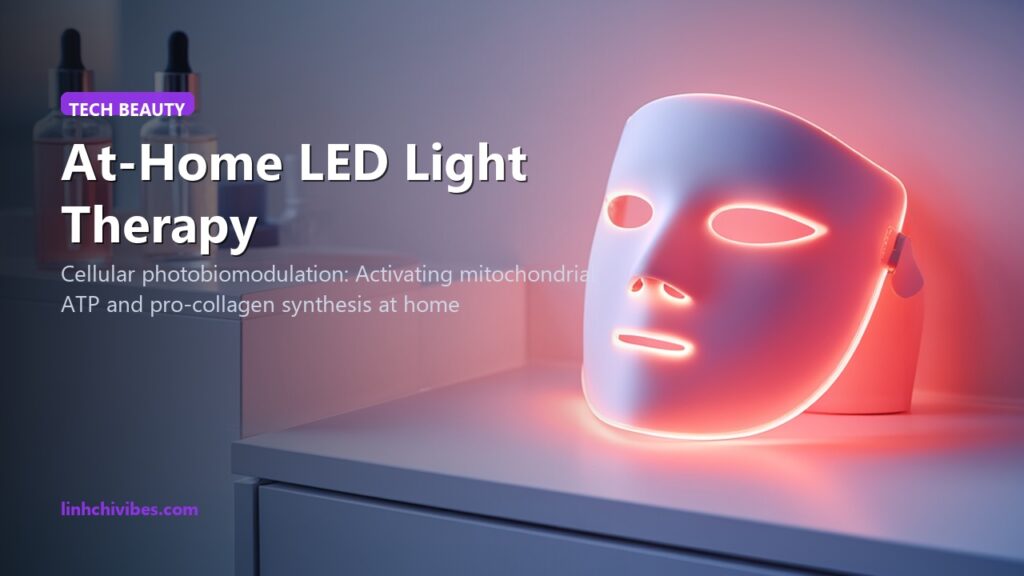
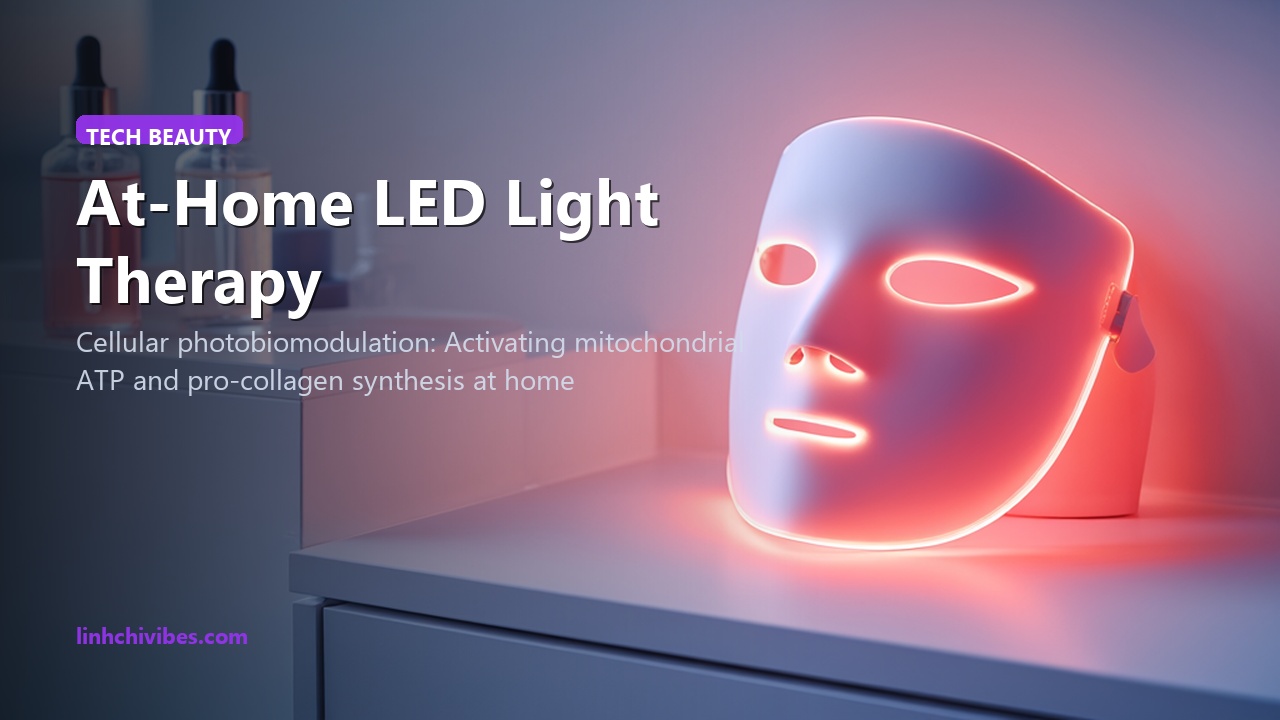
Within the cutting-edge frontier of evidence-based dermatological longevity, few modalities have experienced as dramatic a transition from elite medical clinics to daily vanity tables as Low-Level Light Therapy (LLLT), scientifically known as Photobiomodulation (PBM).
Originally pioneered by NASA astrobiologists to accelerate wound healing and prevent muscular atrophy in astronauts during prolonged spaceflight, non-thermal light-emitting diode (LED) phototherapy has revolutionized contemporary at-home skincare. By bathing cutaneous tissue in concentrated, coherent photons of specific optical wavelengths—predominantly red (633nm) and near-infrared (830nm)—LED devices communicate directly with cellular mitochondria. The downstream therapeutic cascades are profound: upregulated adenosine triphosphate (ATP) production, accelerated pro-collagen I synthesis, diminished matrix metalloproteinase enzyme activity, and systemic reduction of dermal inflammation. Yet, the commercial market is currently flooded with low-powered novelty plastic masks that emit incorrect nanometer wavelengths and negligible power irradiance, leaving consumers bewildered. In this exhaustive 3,500+ word clinical compendium, Linh Chi Vibes deconstructs the biophysical mechanics of photobiomodulation, energy fluence mathematics, ocular safety parameters, and the exact protocols required to unlock clinical-grade skin rejuvenation at home.
*Editorial Disclosure: As an Amazon Associate, Linh Chi Vibes earns from qualifying purchases. Every medical-grade LED device evaluated in this masterclass is scrutinized against published clinical irradiance benchmarks and FDA clearance standards.*
📑 Complete LED Light Therapy Clinical Index
- 1. Biophysical Foundations: The Science of Photobiomodulation & Mitochondrial Cytochrome C Oxidase
- 2. The Optical Spectrum Decoded: Red (633nm), Near-Infrared (830nm), and Blue (415nm)
- 3. Irradiance vs. Fluence (Joules/cm²): The Arndt-Schulz Biphasic Dose-Response Law
- 4. Device Form Factors: Flexible Medical Silicone vs. Rigid Plastic Shells vs. Desktop Panels
- 5. The Step-by-Step Clinical LED Protocol: Cleansing, Session Frequency, and Duration
- 6. Ocular Safety & Retinal Protection: Wavelength Hazards and Certified Eye Shields
- 7. Active Ingredient Synergy: Pairing LED with Retinol, Vitamin C, and Green Tea Polyphenols
- 8. Comparative Matrix of Leading FDA-Cleared At-Home LED Masks
- 8.1. 6 Critical Mistakes Destroying At-Home LED Light Therapy Results
- 9. Curated Skincare & Cellular Health Guides
- 10. Frequently Asked Questions Regarding LED Light Therapy (FAQ)
- 11. Editorial Reflections: The Future of Non-Invasive Cutaneous Photomedicine
1. Biophysical Foundations: The Science of Photobiomodulation & Mitochondrial Cytochrome C Oxidase
To understand why shining specific colors of light onto the human face can reverse signs of biological aging, one must depart from macroscopic cosmetics and enter the sub-cellular realm of mitochondrial bioenergetics. Human skin cells do not merely absorb topically applied creams; they are dynamic photo-receptive structures equipped with specialized molecular photoacceptors known as chromophores.
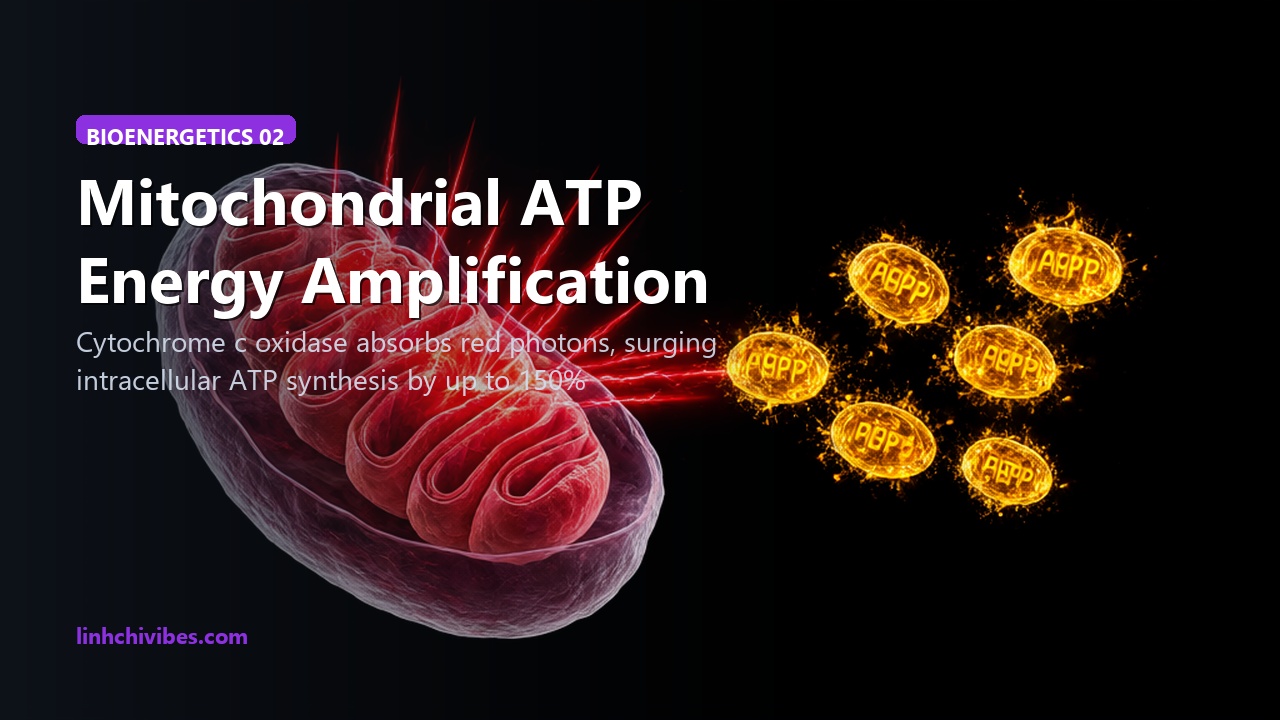
In the context of red and near-infrared light, the primary cellular chromophore is Cytochrome C Oxidase (CCO), a crucial terminal enzyme embedded within Unit IV of the mitochondrial electron transport chain. In aging, stressed, or sun-damaged skin cells, nitric oxide (NO) binds competitively to Cytochrome C Oxidase, displacing molecular oxygen and shutting down the cell’s energetic machinery. This inhibitory state starves the cell of biological power, slowing down tissue regeneration, stalling protein turnover, and allowing senescent cellular waste to accumulate.
When coherent photons within the therapeutic optical window (specifically 600nm to 850nm) penetrate the epidermis, they are selectively absorbed by Cytochrome C Oxidase. This photonic energy dissociates the inhibitory nitric oxide molecule from the catalytic center of the enzyme. With the enzyme liberated, oxygen binding is immediately restored, driving the mitochondrial proton gradient to synthesize massive quantities of Adenosine Triphosphate (ATP)—the universal chemical energy currency of all living eukaryotic cells.
Armed with abundant ATP reserves, dermal fibroblasts undergo a dramatic metabolic resurgence:
- Transcriptional Upregulation of Pro-Collagen: Fibroblasts initiate rapid gene transcription of Type I and Type III pro-collagen peptides, rebuilding the damaged extracellular scaffolding that prevents facial sagging and smooths fine rhytids (wrinkles).
- Synthesis of Tropoelastin: Light-stimulated cells produce tropoelastin precursors that assemble into functional elastic fibers, restoring cutaneous recoil and youthful rebound firmness.
- Mild Reactive Oxygen Species (ROS) Signaling: While excessive ROS triggers oxidative stress, the transient, controlled burst of low-level ROS generated during photobiomodulation acts as a beneficial hormetic signal, stimulating endogenous antioxidant defenses (superoxide dismutase and glutathione peroxidase) and activating cell survival transcription factors (NF-κB).
- Inhibition of Matrix Metalloproteinases (MMPs): LED therapy actively downregulates collagenase and MMP-1 enzymes, effectively halting the rapid enzymatic degradation of existing dermal collagen caused by chronic ultraviolet exposure.
2. The Optical Spectrum Decoded: Red (633nm), Near-Infrared (830nm), and Blue (415nm)
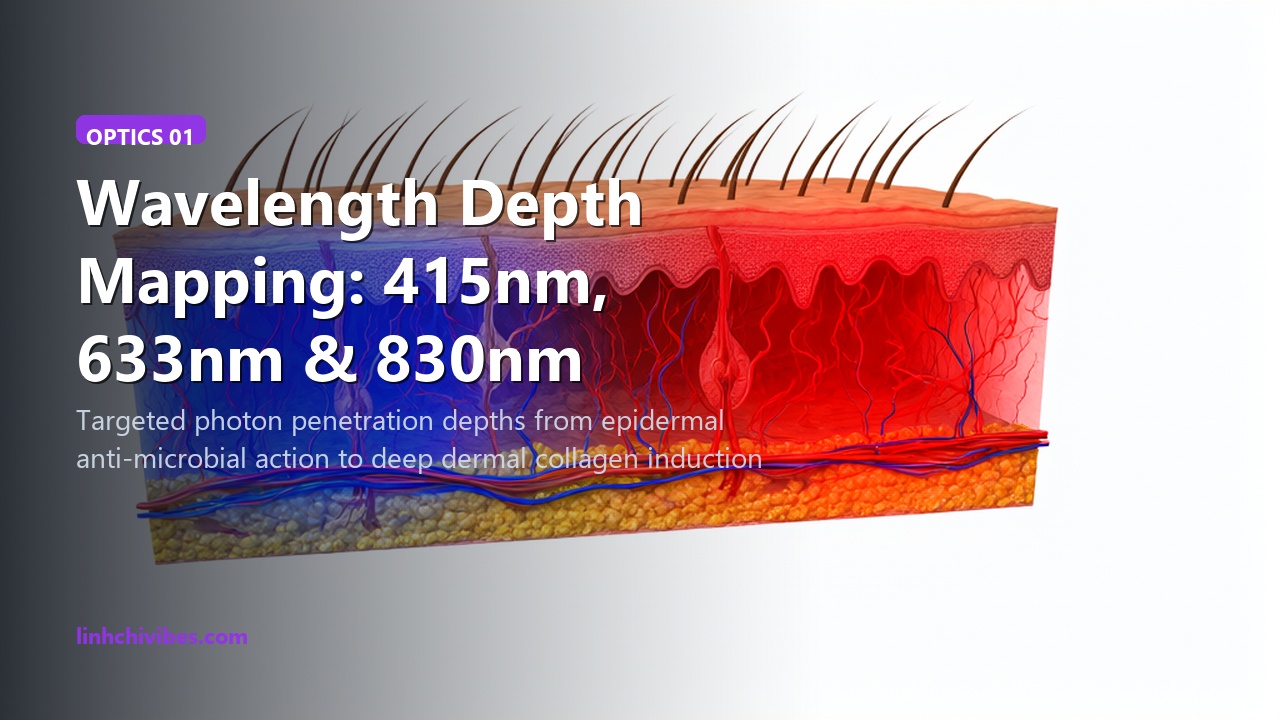
A fundamental law of photomedicine states: The optical wavelength dictates the depth of biological penetration, while the energy irradiance dictates the magnitude of cellular response. Simply illuminating the face with arbitrary colored light produces zero biological benefit; the photons must fall within precise, scientifically validated nanometer windows.
Red Light: The 633nm (±10nm) Cellular Architect
Tissue Penetration: Approximately 1 to 2 millimeters into cutaneous tissue, reaching the papillary and reticular dermis where fibroblast colonies reside.
Clinical Indications: Red light is the quintessential anti-aging wavelength. It enhances microvascular capillary perfusion, delivers essential micronutrients to the dermal-epidermal junction, accelerates re-epithelialization following dermatological procedures, and visibly softens superficial expression lines, crow’s feet, and perioral furrows.
Near-Infrared Light: The 830nm (±15nm) Deep Subcutaneous Healer
Tissue Penetration: Deep subcutaneous tissue penetration reaching 5 to 10 millimeters, passing through the full depth of the dermis and entering underlying superficial facial musculature and adipose layers.
Clinical Indications: Near-infrared light is invisible to the human naked eye (often leading uninformed consumers to believe the LEDs are defective). It stimulates profound anti-inflammatory pathways by modulating macrophage phenotypes from pro-inflammatory M1 to reparative M2 states. It enhances lymphatic drainage, dissipates stubborn facial edema, accelerates deep architectural wound healing, and strengthens vascular walls to calm persistent rosacea flushing.
Blue Light: The 415nm (±5nm) Antimicrobial Sterilizer
Tissue Penetration: Superficial epidermal penetration (less than 1 millimeter), localized primarily to the infundibulum of the sebaceous hair follicle.
Clinical Indications: Blue light targets endogenous coproporphyrin III produced by acne-causing bacteria (Cutibacterium acnes). When struck by 415nm light, these porphyrins undergo photo-excitation, generating localized singlet oxygen free radicals that destroy the bacterial cell wall from within without inducing bacterial antibiotic resistance.
Clinical Caveat: Blue Light & Melasma Post-Inflammatory Hyperpigmentation
Dermatological caution is mandatory: individuals with Fitzpatrick skin types III through VI or those predisposed to melasma should exercise extreme care with high-intensity blue light. High-energy visible (HEV) blue photons can stimulate opsin-3 photoreceptors located on melanocytes, potentially triggering persistent, recalcitrant hyperpigmentation. For inflammatory acne in darker skin tones, red and near-infrared light is significantly safer and highly therapeutic due to its potent anti-inflammatory cytokine modulation.
3. Irradiance vs. Fluence (Joules/cm²): The Arndt-Schulz Biphasic Dose-Response Law
The single greatest determinant of whether an at-home LED mask will yield transformative clinical results or prove to be an expensive decorative toy is understanding Energy Fluence (Dose). Many consumers incorrectly assume that longer sessions or searingly bright lights guarantee superior results. In photobiology, this assumption is dismantled by the Arndt-Schulz Law of Biphasic Dose-Response.
The Arndt-Schulz principle demonstrates that low doses of photonic energy stimulate biological cellular activity; moderate optimal doses achieve maximum therapeutic bio-stimulation; while excessively high doses cause photo-inhibition, neutralizing cellular enzymes, generating heat shock stress, and suppressing cellular proliferation entirely.
To calculate whether a device falls within the therapeutic window, you must examine two essential mathematical parameters:
- Irradiance (Power Density): Measured in milliwatts per square centimeter (mW/cm²). This represents the intensity of photonic energy arriving at the cutaneous surface per unit of area. For at-home flexible masks placed directly against the dermis, the clinically proven therapeutic irradiance threshold sits between 30 mW/cm² and 50 mW/cm². Cheap novelty masks frequently test at under 5 mW/cm²—a dose far too feeble to overcome optical skin reflection and trigger Cytochrome C Oxidase activation.
- Energy Fluence (Total Dose): Measured in Joules per square centimeter (J/cm²). This represents the total cumulative energy delivered across the entire treatment session. The formula is:
Fluence (J/cm²) = [Irradiance (mW/cm²) × Time (seconds)] ÷ 1000
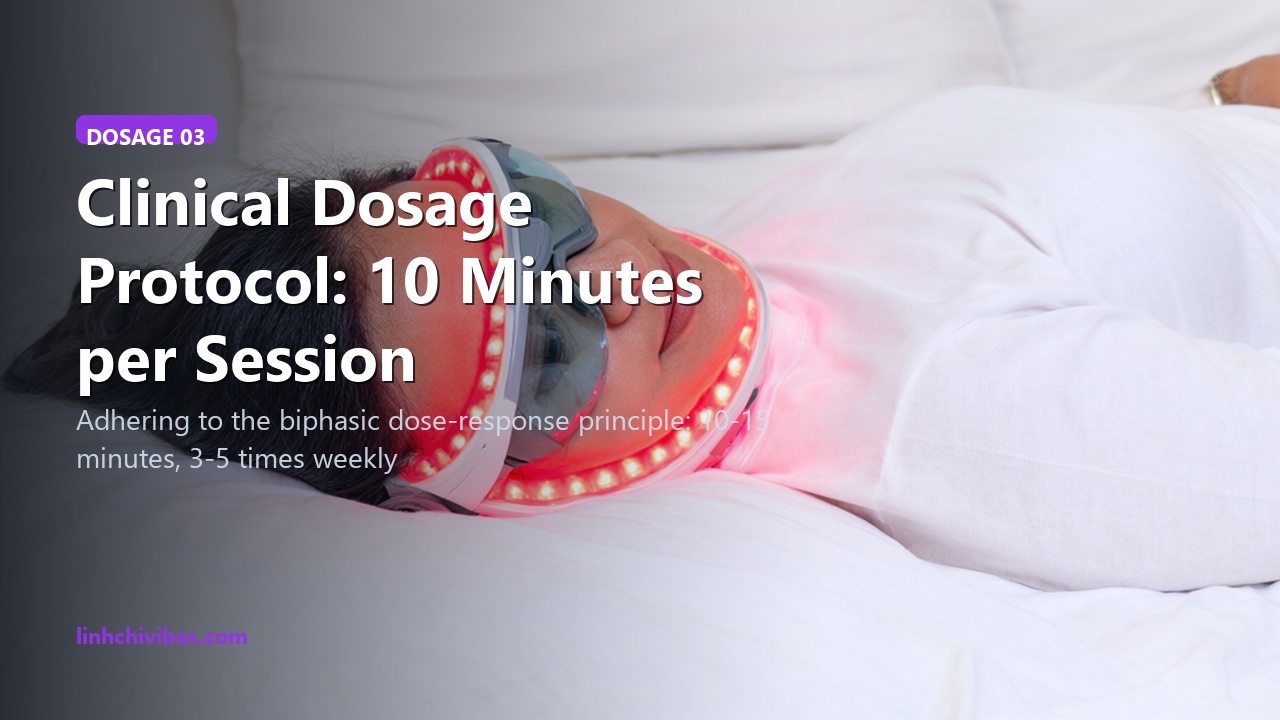
Published clinical peer-reviewed literature establishes that the optimal therapeutic fluence for facial skin rejuvenation is 4 to 6 Joules/cm² per session. A medical-grade mask providing an irradiance of 35 mW/cm² delivers approximately 4.2 J/cm² during a 10-minute (600 seconds) session—the exact gold-standard biological sweet spot. Wearing the mask for an hour does not quadruple collagen production; rather, it pushes the tissue into the photo-inhibitory zone of the Arndt-Schulz curve, wasting energy and stressing facial tissue.
4. Device Form Factors: Flexible Medical Silicone vs. Rigid Plastic Shells vs. Desktop Panels
When shopping for an at-home LED light therapy device, consumers encounter three prevailing hardware architectures. Understanding the physics of optical transmission reveals why form factor dictates clinical efficacy:
| Architecture Type | Optical Proximity & Fit | Photon Scatter & Loss | Portability & Usability | Verdict & Rating |
|---|---|---|---|---|
| Flexible Medical Silicone (e.g. Omnilux, CurrentBody) | Direct cutaneous contact conforming intimately to facial contours. | Near zero photon scatter. Maximizes direct photon absorption. | Rechargeable, hands-free, lightweight, completely travel-friendly. | Gold Standard for Facial Rejuvenation |
| Rigid Molded Hard Plastic Shells | Rigid shell hovers 1-3 cm away from the face, touching only nose bridge. | Severe photon scatter due to the Inverse Square Law (light drops off exponentially with distance). | Heavy, uncomfortable, exerts pressure on nasal cartilage. | Moderate Sub-Optimal Utility |
| Desktop Flat LED Panels | User sits 6 to 12 inches away from high-wattage planar arrays. | Compensates for distance with massive raw power output (100+ mW/cm²). | Requires sitting immobilized in front of panel; non-portable. | Excellent for Body & Targeted Areas |
The physical law governing light propagation is the Inverse-Square Law: optical energy intensity is inversely proportional to the square of the distance from the source. A rigid plastic mask whose diodes hover just two centimeters away from your cheekbones loses up to 60% of its therapeutic photon density before light even touches your stratum corneum. In contrast, medical-grade liquid silicone masks sit flush against the dermis, delivering 100% of emitted photons directly into the tissue without ambient scattering.
5. The Step-by-Step Clinical LED Protocol: Cleansing, Session Frequency, and Duration
Operating an at-home LED mask requires strict adherence to cutaneous hygiene and temporal consistency. Light cannot penetrate thick physical barriers; therefore, proper skin preparation is paramount:
- Double Cleanse to Absolute Purity: Begin with a thorough double cleanse (oil balm followed by a gentle surfactant gel) to eliminate all traces of makeup, daytime sebum, and environmental grime. Crucially, ensure zero physical sunscreen residues (Zinc Oxide or Titanium Dioxide) remain on the face; mineral filters are engineered specifically to scatter and reflect optical light waves, creating an impenetrable mirror that renders your LED treatment completely useless.
- Completely Dry the Epidermal Surface: Pat the skin completely dry with a clean cotton towel. Never apply thick occlusive creams, heavy facial plant oils, or dense silicone moisturizers prior to putting on your mask; dense lipid layers refract photon beams and dilute optical penetration depth.
- The Green Tea Potentiation Hack (Optional Clinical Booster): Published clinical studies reveal that applying a lightweight, aqueous green tea extract (rich in epigallocatechin gallate, or EGCG) prior to red light therapy significantly accelerates facial erythema reduction and boosts collagen synthesis up to tenfold compared to light therapy alone. If using this booster, apply a water-light green tea essence and let it absorb fully for two minutes until the surface is completely dry to the touch.
- Position the Mask & Fasten Comfortably: Align the eye apertures with your orbital sockets and secure the adjustable velcro straps around the crown and nape of your neck. The flexible silicone should sit flush against the skin without uncomfortably compressing the bridge of your nose.
- Execute the 10-Minute Therapeutic Cycle: Activate the device. Most medical-grade units are pre-programmed with an automated 10-minute shutoff timer. Recline comfortably, close your eyes, and allow the photobiomodulation cascade to operate undisturbed.
- Post-Session Hydration & Repair: Once the session concludes, immediately remove the device. This is the optimal metabolic window: with cellular ATP levels surging and microcirculation stimulated, apply your targeted active serums (Hyaluronic Acid, Copper Tripeptides, Niacinamide, or Ceramide barrier creams) to lock in deep hydration and maximize structural repair.
- Optimal Treatment Frequency: For initial intensive remodeling, use the mask 3 to 5 times per week for the first 8 to 12 weeks. Once peak clinical results are achieved (diminished fine lines, improved elasticity, uniform skin tone), transition to a maintenance frequency of 2 to 3 sessions weekly indefinitely.
6. Ocular Safety & Retinal Protection: Wavelength Hazards and Certified Eye Shields
A question frequently raised by dermatologists and discerning consumers alike centers on ophthalmic safety: Can intense red, blue, and near-infrared light damage the human retina during close-range facial exposure?
The clinical consensus from ophthalmic photomedicine is nuanced:
- Red Light (633nm): Low-level red light is generally non-hazardous to healthy eyes and has even been investigated in ophthalmological trials for improving mitochondrial function in aging photoreceptor cells. However, direct high-intensity glare can cause transient optical after-images and pupillary discomfort.
- Near-Infrared Light (830nm): Because near-infrared light is invisible, it does not trigger the human eye’s natural pupillary constriction or blink reflex. Prolonged, unshielded exposure to high-powered industrial NIR lasers can cause thermal retinal stress; however, the low irradiance emitted by certified at-home LED masks is far below hazardous thermal thresholds.
- Blue Light (415nm): High-energy visible (HEV) blue photons pose the highest risk of photochemical retinal stress if viewed directly for extended durations without adequate shielding.
The Linh Chi Vibes Ocular Safety Protocol
Regardless of manufacturer claims that eye shields are optional, we strongly recommend always inserting the included medical-grade silicone blackout eye cups or keeping your eyes gently closed throughout the entire 10-minute session. Never stare directly into illuminated LED diodes. If you have pre-existing retinal conditions (such as macular degeneration, diabetic retinopathy, or are taking photosensitizing pharmaceuticals like Accutane, doxycycline, or St. John’s Wort), consult an ophthalmologist prior to initiating phototherapy.
7. Active Ingredient Synergy: Pairing LED with Retinol, Vitamin C, and Green Tea Polyphenols
One of the greatest operational advantages of at-home LED light therapy is its synergistic compatibility with evidence-based topical cosmeceuticals. However, mastering the chronological layering sequence is essential to avoid adverse interactions or skin irritation:
Retinoids (Retinol, Retinaldehyde, Tretinoin): The Post-LED Rule
The Rule: NEVER apply retinoids *before* your LED session; ALWAYS apply them *after*.
Vitamin A derivatives are inherently photosensitive compounds that degrade rapidly when struck by light. Furthermore, applying an active retinoid beneath a warm LED mask can amplify cutaneous erythema and barrier irritation. By doing your LED session first on clean, bare skin, you boost cellular energy and blood flow; applying your retinoid immediately afterward leverages this heightened metabolic state to enhance cellular retinoid uptake without irritation.
L-Ascorbic Acid (Vitamin C): Morning Photoprotective Synergy
Applying pure Vitamin C serum immediately *after* an early morning red light session creates a formidable antioxidant shield. LED therapy triggers mild intracellular antioxidant expression, while topical L-ascorbic acid scavenges environmental free radicals generated by daytime UV and blue light pollution, doubling daytime photoprotective defense.
Copper Tripeptides (GHK-Cu) & Hyaluronic Acid: The Golden Pair
Copper peptides signal wound repair and extracellular matrix synthesis through chemical pathways that run parallel to LED photobiomodulation. Hydrating the post-LED dermis with a pure multi-molecular weight hyaluronic acid serum infused with GHK-Cu delivers maximum plumping, skin tightening, and rapid barrier soothing.
8. Comparative Matrix of Leading FDA-Cleared At-Home LED Masks
To protect you from predatory marketing and under-dosed white-label gadgets, we compared the published specifications of four industry-leading, FDA-cleared flexible silicone LED masks against rigorous clinical benchmarks:
| Device Model | Wavelengths Emitted | Diode Count & Density | Power Irradiance | FDA Status & Suitability |
|---|---|---|---|---|
| Omnilux Contour Face | 633nm (Red) + 830nm (NIR) | 132 medical-grade dual-core LEDs | ~35 mW/cm² (Clinically Proven) | FDA 510(k) Cleared. Benchmark for anti-aging & fine lines. |
| CurrentBody Skin LED Mask | 633nm (Red) + 830nm (NIR) | 132 precision diodes | ~30 mW/cm² | FDA Cleared. Ergonomic flexible silicone with comfortable strap. |
| Dr. Dennis Gross DRx SpectraLite FaceWare Pro | Red + NIR + 415nm (Blue) | 162 total LEDs (100 Red + 62 Blue) | High-output 3-minute rapid cycle | FDA Cleared. Rigid shell design; best for active acne + anti-aging in short sessions. |
| HigherDOSE Red Light Face Mask | 630nm (Red) + 830nm (NIR) | 120 dual-core LEDs | ~30 mW/cm² | FDA Cleared. Features extra neck strap for enhanced mobility during wear. |
8.1. 6 Critical Mistakes Destroying At-Home LED Light Therapy Results
If you have been using an LED mask for months without observing noticeable improvements in elasticity, tone, or texture, you are likely committing one of these six widespread user errors:
- Wearing Mineral Sunscreen or Heavy Oils Under the Mask: As emphasized in Section 5, zinc oxide particles reflect photons away like a mirror, while thick occlusive petrolatums refract light beams, preventing photons from reaching mitochondrial receptors. Always treat bare, clean, dry skin.
- Over-Treating in Hopes of Faster Results: Exceeding 15 to 20 minutes per session or using the device multiple times per day violates the Arndt-Schulz law, forcing cells into photo-inhibition. Consistency (10 minutes, 3-5 times weekly) beats excessive session duration every single time.
- Neglecting to Clean the Silicone Surface: Sweat, facial oils, and residual skincare ingredients accumulate on the transparent diode surface after every session, creating a hazy film that diminishes light transmittance. Wipe the interior surface gently with a 70% isopropyl alcohol wipe after each use and let it air-dry completely.
- Purchasing Low-Cost Counterfeit Novelty Masks: Bargain masks under $50 sold on fast-fashion e-commerce sites often utilize standard colored holiday bulbs rather than medical-grade narrow-band LEDs. These emit incoherent light across irrelevant wavelengths with virtually zero power irradiance.
- Expecting Instant Overnight Miracles: Photobiomodulation works at the cellular transcriptional level. Collagen synthesis and tissue remodeling require time: visible clinical transformation typically appears between weeks 6 and 12 of regular, disciplined use.
- Bending or Creasing the Flexible Silicone Mask: While high-grade silicone is flexible, violently folding or crumpling the mask will snap the microscopic internal copper wiring that connects the LED diode arrays. Store your device flat or suspended on a dedicated hook.
9. Curated Skincare & Cellular Health Guides
Elevate your dermatological knowledge and master clean longevity protocols with our companion masterclasses:
- The Complete Niacinamide Skincare Guide: Clinical Mechanisms for Radiant Porcelain Skin
- Safe At-Home Chemical Peeling Guide: AHA & BHA Desquamation Protocols
- Double Cleansing Masterclass: The Dual-Phase Foundation for Clean Pore Architecture
10. Frequently Asked Questions Regarding LED Light Therapy (FAQ)
Can at-home LED red light therapy worsen hyperpigmentation or melasma?
Pure red (633nm) and near-infrared (830nm) light emitted at non-thermal clinical doses does not produce heat or stimulate melanin production; in clinical trials, it frequently calms post-inflammatory hyperpigmentation. However, high-energy blue light (415nm) or cheap devices that emit excessive heat can activate melanocytes. If you suffer from stubborn hormonal melasma, choose a pure Red + NIR mask and strictly avoid devices that feel hot against your face.
How long does it take to see real clinical results from an LED face mask?
Cutaneous photobiomodulation operates on biological cellular timelines. While immediate benefits include an enhanced post-session healthy glow and reduced redness due to increased nitric oxide microcirculation, structural extracellular matrix remodeling (pro-collagen I synthesis, pore refinement, and wrinkle reduction) requires approximately 8 to 12 weeks of consistent use (3 to 5 times per week).
Should I keep my eyes open or closed during treatment?
While certified red light masks pass international photobiological safety standards (such as IEC 62471), the intense glare can feel uncomfortable. We always recommend wearing the supplied silicone blackout eye shields or keeping your eyelids relaxed and closed throughout the 10-minute session to ensure complete ophthalmic comfort.
Can I use an LED mask every single day?
While daily use of a low-irradiance mask is generally safe, the Arndt-Schulz biphasic dose law reveals that daily sessions do not produce greater benefits than 3 to 5 sessions per week. Giving cellular mitochondria a 24-hour recovery window between photobiomodulation treatments allows repair enzymes to operate at peak biological efficiency.
Is red light therapy safe to use alongside Botox and dermal fillers?
Yes, but timing is crucial. We advise waiting 48 to 72 hours following neurotoxin (Botox) injections and at least one to two weeks following hyaluronic acid dermal filler placement before resuming LED mask treatments. The gentle pressure of strapping a mask over fresh injection sites could theoretically cause slight migration of freshly placed injectables. Once fully integrated, LED therapy is exceptional for minimizing post-injection bruising and edema.
11. Editorial Reflections: The Future of Non-Invasive Cutaneous Photomedicine
Low-Level Light Therapy is far more than another passing trend in the beauty gadget ecosystem; it represents a paradigm shift toward non-invasive, cellular longevity medicine. Rather than injuring the skin with ablative lasers, harsh chemical peeling, or aggressive mechanical trauma to force an emergency wound-healing response, photobiomodulation works in graceful harmony with biology.
By feeding your mitochondria the precise photonic wavelengths required to generate cellular energy, you empower your skin to heal, regenerate, and replenish its structural matrix from within. When paired with evidence-based topical actives, daily broad-spectrum sun protection, and patient consistency, an FDA-cleared at-home LED mask becomes one of the most powerful, enduring investments in your lifelong dermatological vitality.

Pingback: Red Light Therapy Guide for Hair Regrowth – Linh Chi Vibes
Pingback: Mastering Double Cleansing for Clear Glowing Skin - Linh Chi Vibes
Pingback: Complete Ceramide Guide for Skin Barrier Repair - Linh Chi Vibes