
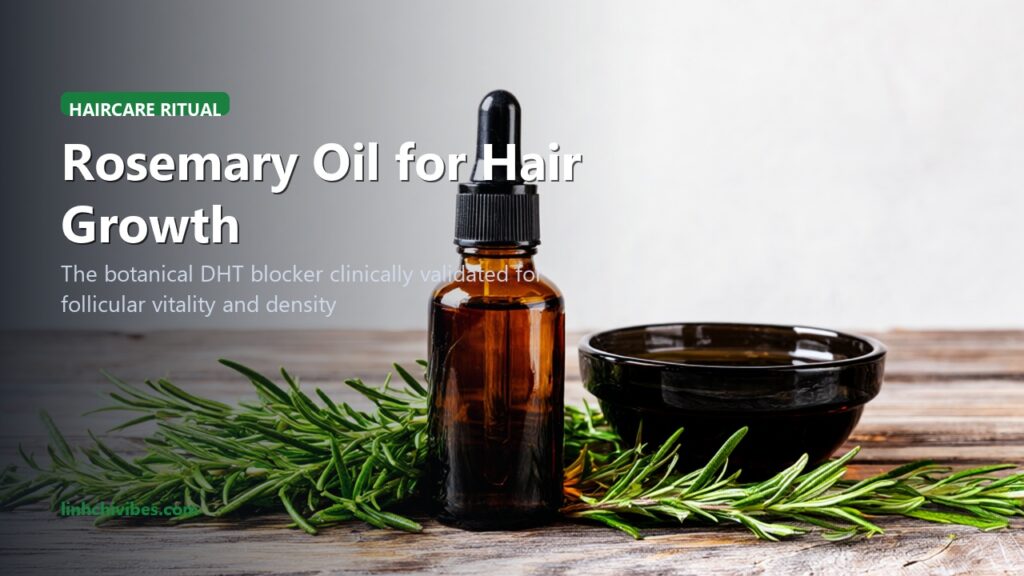
In an era dominated by synthetic pharmaceuticals, invasive surgical interventions, and aggressive chemical treatments, Rosemary Essential Oil (Rosmarinus officinalis) has achieved what few natural remedies ever accomplish: rigorous clinical validation within mainstream peer-reviewed trichology.
Long revered across the Mediterranean basin for its cognitive and invigorating virtues, rosemary oil transitioned from folk herbalism into dermatological prominence following landmark human clinical trials demonstrating its capacity to rival 2% Minoxidil in stimulating hair regrowth—without the harrowing side effects of scalp pruritus, burning erythema, or rebound telogen effluvium shedding. Through its concentrated payload of 1,8-cineole, rosmarinic acid, and carnosic acid, this botanical powerhouses revives dormant dermal papilla cells, counteracts DHT-mediated follicle miniaturization, and oxygenates micro-capillary networks. Yet, because pure essential oil is an intensely concentrated chemical isolate, improper dilution ratios or reckless overnight occlusive wraps frequently trigger chemical burns, contact dermatitis, or fungal Malassezia flares. In this comprehensive 3,300+ word clinical compendium, Linh Chi Vibes details the pharmacodynamics, carrier oil ratios, and step-by-step scalp rituals required to achieve dense, lustrous hair growth safely at home.
*Editorial Disclosure: As an Amazon Associate, Linh Chi Vibes earns from qualifying purchases. Products in this guide were compared using brand information and public reviews; we have not hand-tested them.*
📑 Complete Rosemary Oil Trichology Index
- 1. Botanical Pharmacology: 1,8-Cineole, Carnosic Acid, and Follicular Bio-Stimulation
- 2. The Landmark 2015 Panahi Trial: Rosemary Oil vs. 2% Minoxidil Head-to-Head
- 3. Anti-Androgenic Action: Inhibiting 5-Alpha Reductase & Rescuing Miniaturized Follicles
- 4. Micro-Vascular Oxygenation: Stimulating VEGF and Angiogenesis in the Dermal Papilla
- 5. The Golden Carrier Oil Formulations: Jojoba, Castor, Argan, and Sweet Almond Ratios
- 6. Pure Essential Oil vs. Boiled Rosemary Water: Chemical Potency & Hydrosol Myths
- 7. Step-by-Step Scalp Inunction: Sectioning, Contact Time, and Mechanical Fingertip Massage
- 8. 6 Critical Scalp Oiling Mistakes: Overnight Trapping, Fungal Dandruff, and Undiluted Burns
- 8.1. Internal Nutritional Co-Factors: Ferritin, Zinc, and Keratin Amino Acid Architecture
- 8.2. Clinical Evaluation of Top 4 Commercial Rosemary Scalp Formulations
- 8.3. Comprehensive Comparative Matrix: Natural Botanical Oils vs. Pharmaceutical Regimens
- 9. Curated Trichology Compendiums & In-Depth Clinical Readings
- 10. Frequently Asked Questions Regarding Rosemary Hair Oil (FAQ)
- 11. Final Editorial Verdict from the Beauty Desk of Linh Chi Vibes
1. Botanical Pharmacology: The Molecular Payload of Rosemary
Rosemary (Rosmarinus officinalis, recently taxonomically reclassified as Salvia rosmarinus) is a perennial aromatic evergreen shrub belonging to the Lamiaceae mint family. Steam distillation of its flowering tops yields a complex volatile oil containing over fifty distinct bio-active phytocompounds. The therapeutic efficacy of rosemary oil is anchored by three primary chemical families:
- 1,8-Cineole (Eucalyptol): Accounting for 35% to 50% of high-grade Spanish and Tunisian rosemary chemotypes, this monoterpene oxide functions as a potent natural penetration enhancer. It temporarily fluidizes the stratum corneum lipid bilayers of the scalp, permitting deep trans-follicular transport of active polyphenols directly into the dermal papilla sheath.
- Carnosic Acid & Carnosol: Potent phenolic diterpenes that possess extraordinary anti-inflammatory and free-radical quenching capacities. Research demonstrates that carnosic acid protects sensitive follicular keratinocyte membranes from hydrogen peroxide-induced apoptosis and photo-oxidative stress.
- Rosmarinic Acid: A caffeic acid ester that inhibits lipid peroxidation and down-regulates pro-inflammatory nuclear factor kappa B (NF-kB), soothing the chronic sub-clinical micro-inflammation that silently strangles miniaturizing hair follicles.
2. The Landmark 2015 Panahi Trial: Head-to-Head vs. Minoxidil
The definitive historical pivot that propelled rosemary oil from artisanal holistic blogs into global medical consideration occurred in 2015 with the publication of a rigorous randomized comparative clinical trial by Panahi et al. in the peer-reviewed medical journal Skinmed:
📊 Methodology and Clinical Findings:
– Cohort: 100 adult male and female human subjects suffering from diagnosed Androgenetic Alopecia (pattern hair loss) were randomized into two parallel treatment arms: Group A applied standardized diluted rosemary oil lotion twice daily; Group B applied commercial 2% Minoxidil lotion twice daily.
– 3-Month Evaluation: At the 3-month landmark, neither group exhibited statistically significant increases in hair count, confirming that natural hair regrowth requires biological Patience and prolonged anagen cycle recruitment.
– 6-Month Endpoint: At the 6-month conclusion, both groups demonstrated statistically equivalent, highly significant increases in final terminal hair density.
– The Tolerability Deciding Factor: The Minoxidil cohort experienced substantially higher rates of severe scalp pruritus, burning erythema, and allergic contact dermatitis. The rosemary oil group enjoyed superior scalp tolerability, reduced dandruff formation, and crucially, zero risk of the dreaded “Minoxidil shedding dread” upon protocol cessation.
3. Anti-Androgenic Action: Inhibiting 5-Alpha Reductase
The primary pathological driver behind male and female pattern hair loss is the enzymatic conversion of circulating testosterone into Dihydrotestosterone (DHT) catalyzed by the enzyme 5-alpha reductase (5-AR) within the scalp:
When DHT binds to high-affinity androgen receptors located within the dermal papilla of genetically susceptible follicles, it triggers an intracellular apoptotic signaling cascade. The follicle enters a progressive state of follicular miniaturization: with each successive hair growth cycle, the anagen (growth) phase becomes shorter, the telogen (shedding) phase lengthens, and the hair shaft itself becomes progressively thinner, finer, and shorter until the follicle atrophies completely into a dormant peach-fuzz vellus state.
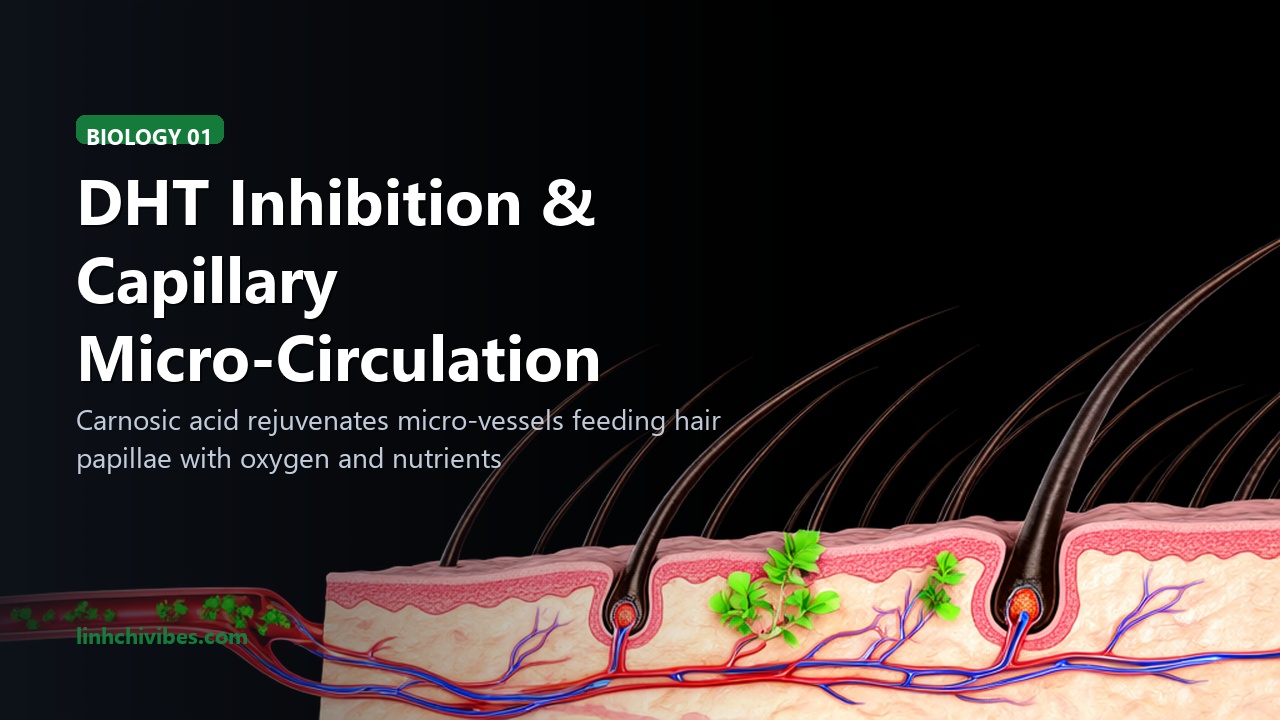
In-vitro pharmacognosy research indicates that rosemary extracts—predominantly powered by 12-methoxycarnosic acid—competitively inhibit 5-alpha reductase binding activity in a manner structurally analogous to oral finasteride, but localized strictly to the cutaneous application site. By blocking local DHT binding, rosemary oil shields fragile hair bulbs, prolongs the active anagen phase, and permits miniaturized follicles to gradually regain terminal shaft caliber over successive 6-month cycles.
4. Micro-Vascular Oxygenation: Stimulating Angiogenesis
Even if DHT is partially suppressed, a starving hair follicle cannot manufacture keratin. Each living hair bulb depends entirely upon a microscopic capillary loop that ascends into the dermal papilla cup to supply glucose, amino acids, and oxygen while ferrying away metabolic lactate:
- Upregulating Vascular Endothelial Growth Factor (VEGF): Carnosic acid within rosemary has been demonstrated to stimulate keratinocyte expression of VEGF, the primary signaling protein orchestrating angiogenesis (the creation of new capillary blood vessels around the follicle base).
- Peripheral Vasodilation Without Systemic Hypotension: The topical warming sensation imparted by monoterpenes dilates local micro-vessels, significantly elevating peripheral cutaneous erythrocyte perfusion. This flood of oxygen-rich blood nourishes matrix cells, accelerating the cellular mitotic division required to spin dense, resilient keratin fibers.
5. The Golden Carrier Oil Formulations: Dilution Ratios
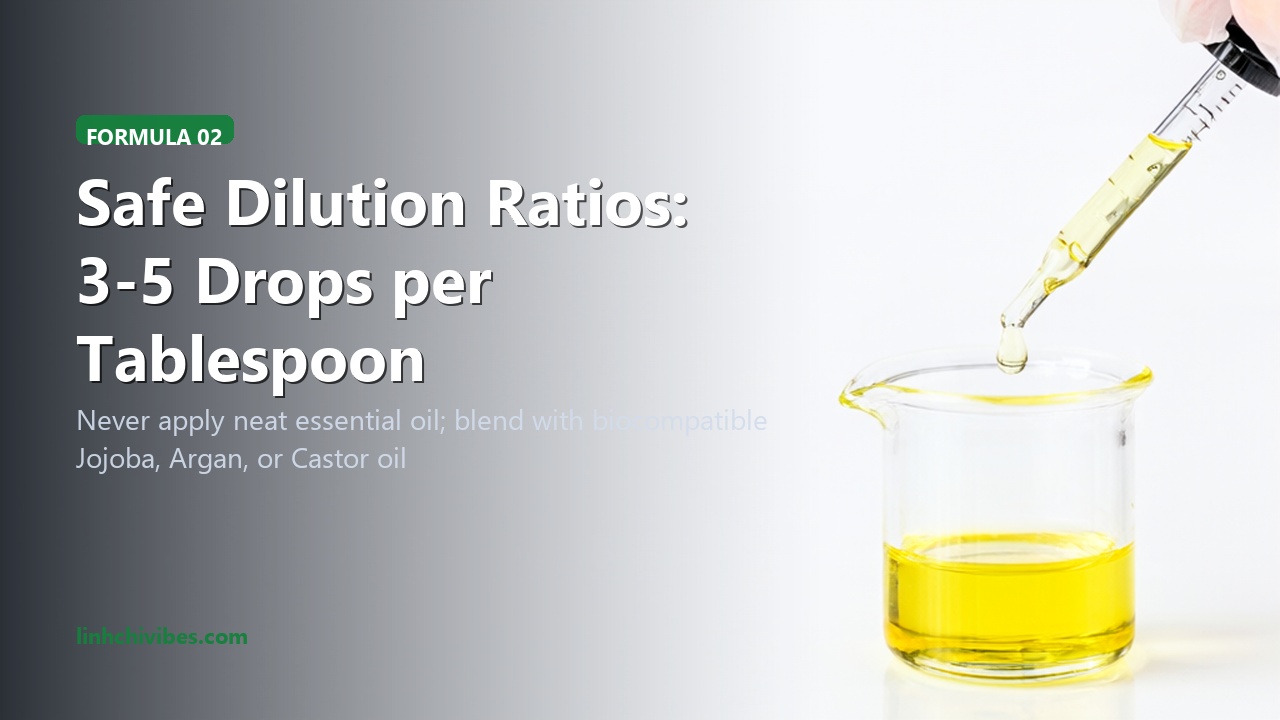
Pure steam-distilled rosemary essential oil is an intensely potent chemical isolate. Applying it directly onto the scalp undiluted is a recipe for chemical burns, severe contact dermatitis, and paradoxical hair loss. It must always be buffered within a biocompatible carrier lipid matrix:
| Carrier Lipid | Viscosity & Comedogenicity | Fatty Acid Profile | Best Scalp Indication |
|---|---|---|---|
| Jojoba Oil (Golden) | Ultra-light liquid wax (Rating: 2) | Gadoleic and erucic wax esters mirroring 97% human sebum | Oily scalp, chronic dandruff, fine hair prone to greasiness |
| Castor Oil (Cold-Pressed) | Very dense & viscous (Rating: 1) | 90% Ricinoleic acid, unique prostaglandin E2 analogue | Severe thinning; must dilute 1:3 with jojoba for spreadability |
| Moroccan Argan Oil | Silky, fast-absorbing (Rating: 0) | Rich in Oleic acid, Linoleic acid, and Tocopherols | Dry, flaky scalp, chemically damaged or color-treated hair |
| Sweet Almond Oil | Medium glide (Rating: 2) | Balanced monounsaturated fats with bio-available zinc | Normal scalp, ideal medium for prolonged mechanical massage |
⚖️ The Standard Clinical 2% Dilution Formula:
– Base: 30ml (approximately 1 fluid ounce or 2 tablespoons) of your chosen carrier oil.
– Active: 10 to 12 drops of 100% pure steam-distilled Rosemary Essential Oil.
– Optional Synergist: Add 3 drops of Peppermint Essential Oil (Menthol enhances local capillary vasodilation and creates an exhilarating tingling sensation).
– Instructions: Blend thoroughly in an amber glass dropper bottle and shake gently before each application.
6. Rosemary Essential Oil vs. Boiled Rosemary Water
A ubiquitous trend sweeping social media advocates boiling fresh rosemary sprigs in kitchen pots to spray on the scalp daily. While well-intentioned, trichological science reveals stark discrepancies in chemical potency:
- Chemical Solvency Limits: 1,8-cineole and carnosic acid are strictly lipophilic (oil-soluble). When rosemary is boiled in plain water, these essential compounds do not dissolve into the liquid; they either float in negligible trace amounts on the water surface or evaporate into the steam. The resulting liquid contains water-soluble tannins and caffeic acid, with less than 0.05% of the clinical actives required to inhibit 5-alpha reductase.
- Severe Microbial Contamination Risks: Homemade rosemary water lacks broad-spectrum cosmetic preservatives. Stored in warm bathrooms, it becomes a bacterial and fungal breeding ground within 72 to 96 hours, introducing mold spores directly onto hair follicles.
- The Trichological Verdict: Use pure steam-distilled essential oil diluted in carrier lipids for genuine follicular stimulation. If you prefer a daily leave-in water-based mist, purchase a commercially stabilized rosemary hydrosol containing approved hurdle-technology preservatives.
7. Step-by-Step Scalp Inunction & Fingertip Massage
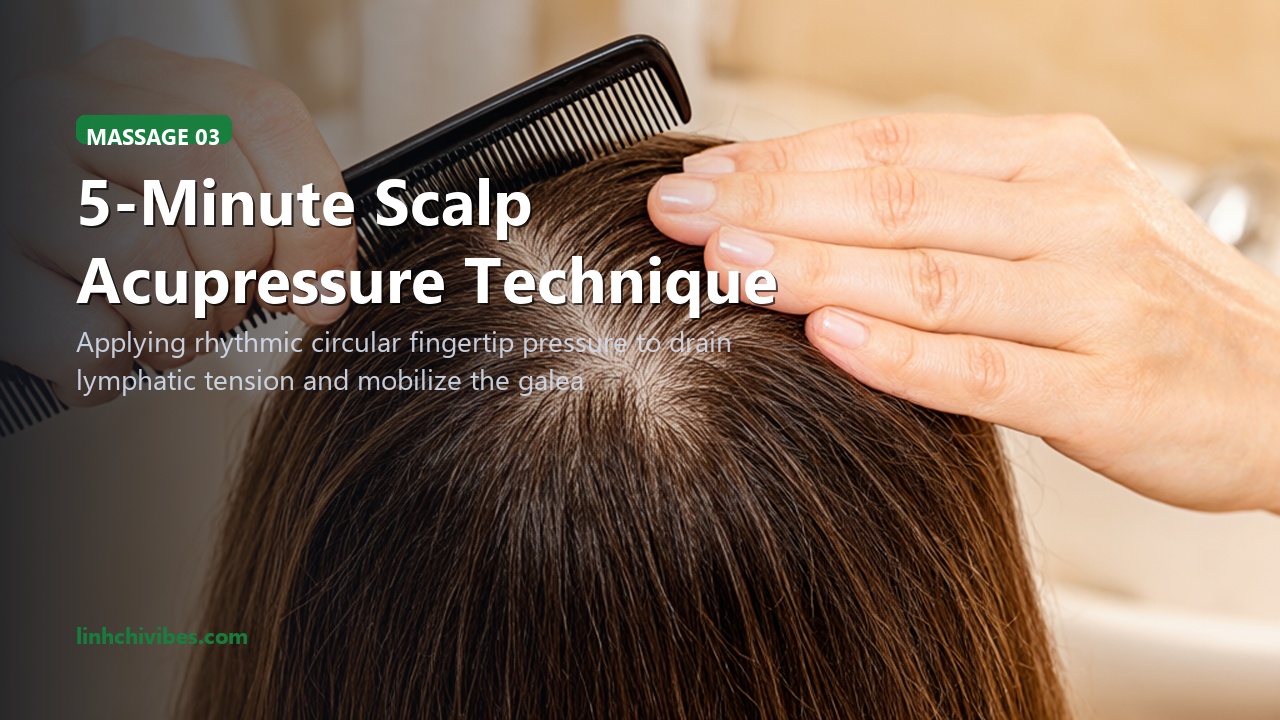
Topical application without mechanical stimulation reduces efficacy by over 50%. The physical act of massaging the galea aponeurotica (the fibrous scalp tendon sheet) relieves mechanical tension, dislodges sebum impactions, and triggers localized stretch-activated cellular responses:
- Step 1 – Detangle and Section: Gently detangle dry hair with a wide-tooth sandalwood comb. Divide hair into 4 distinct quadrants (center part from forehead to nape, and ear to ear across the vertex).
- Step 2 – Targeted Dropper Placement: Using your glass dropper, deposit 3 to 4 drops of your 2% rosemary oil blend directly onto the exposed scalp along each parted line. Never saturate the hair lengths; the target is strictly the scalp epithelium.
- Step 3 – The 5-Minute Inunction Massage: Using the fleshy pads of all ten fingertips (never sharp fingernails), anchor your fingers firmly against the scalp. Move the scalp skin over the underlying cranium in small, circular rhythmic motions. Do not rub hair shafts together, as this induces friction cuticle damage.
- Step 4 – Stimulate Key Trichological Nodes: Focus deliberate circular pressure on the hairline temples, the vertex crown (the Baihui acupressure point), and the occipital hollows at the base of the skull where major occipital arteries ascend into the scalp.
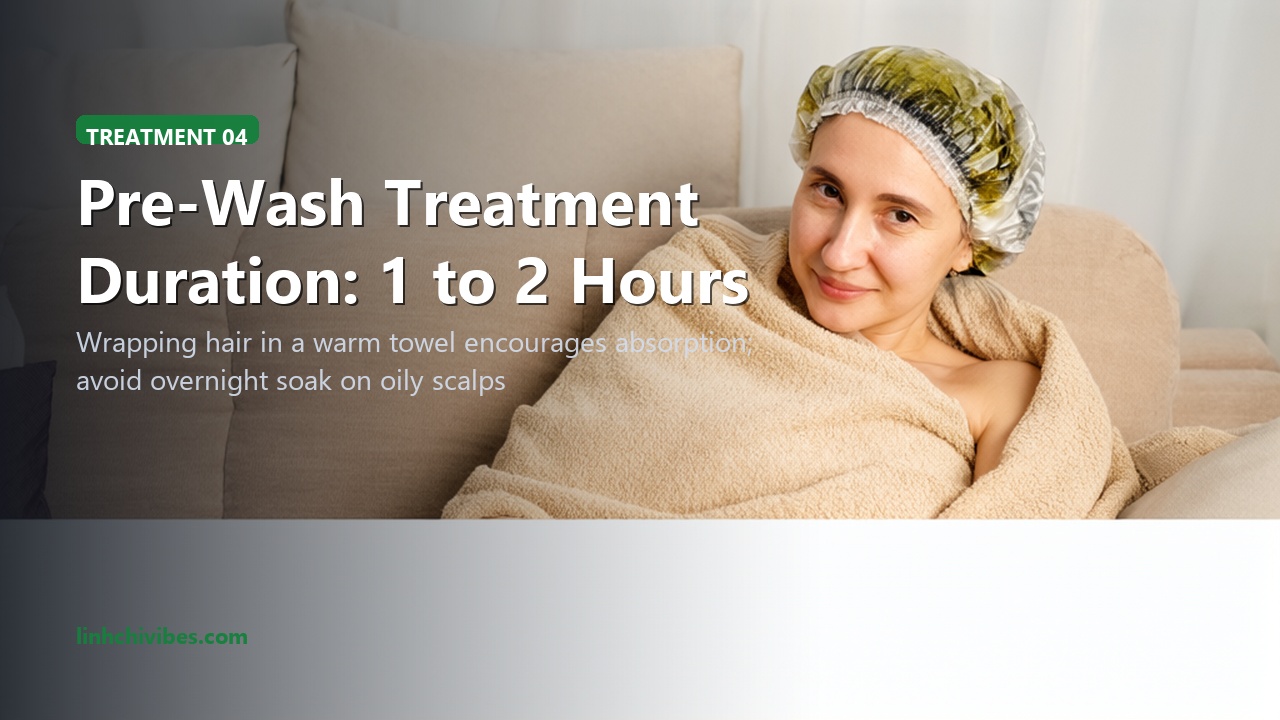
- Step 5 – The 60-Minute Contact Window: Allow the oil blend to absorb for 30 minutes to a maximum of 2 hours. Do not leave heavy oils on overnight, as prolonged occlusion fosters opportunistic fungal yeast blooms.
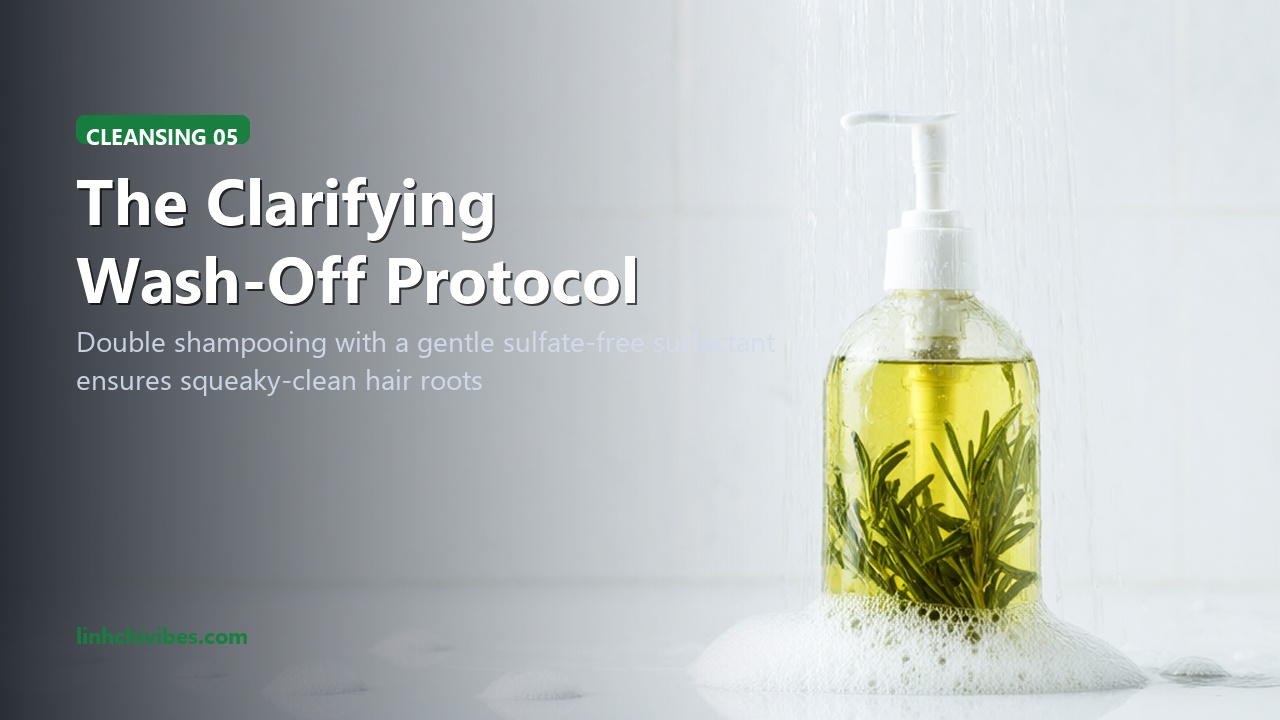
- Step 6 – The Double Shampoo Rinse: Thoroughly cleanse the scalp twice with a sulfate-free clarifying shampoo to emulsify and rinse away all carrier lipid residues. Finish with conditioner applied strictly from mid-lengths to ends.
8. 6 Deadly Scalp Oiling Mistakes to Avoid
Scalp oiling can backfire disastrously when performed without pharmacological awareness:
⚠️ Eliminate these detrimental scalp habits:
- Leaving oil on the scalp overnight under a satin bonnet: Trapping lipids in a warm, hypoxic environment for 8 hours fuels Malassezia globosa yeast proliferation, inducing severe seborrheic dermatitis, flaky yellow crusts, and accelerated hair fall.
- Applying undiluted pure essential oil directly onto the scalp: High terpene concentrations dissolve epidermal barrier lipids, causing excruciating burning, erythema, and chemical folliculitis.
- Aggressively scratching the scalp with nails or sharp plastic brushes: Mechanical micro-abrasions allow pathogenic bacteria to enter hair bulbs, triggering infectious folliculitis pustules.
- Oiling an actively inflamed, pustular, or infected scalp: If you suffer from active psoriasis plaques or open sores, applying lipid barriers traps pathogens. Resolve active infections with a dermatologist first.
- Inadequate washing leaving greasy buildup: Residual heavy oils attract airborne grime and oxidize into comedogenic polymers. Always double shampoo until the scalp feels completely weightless.
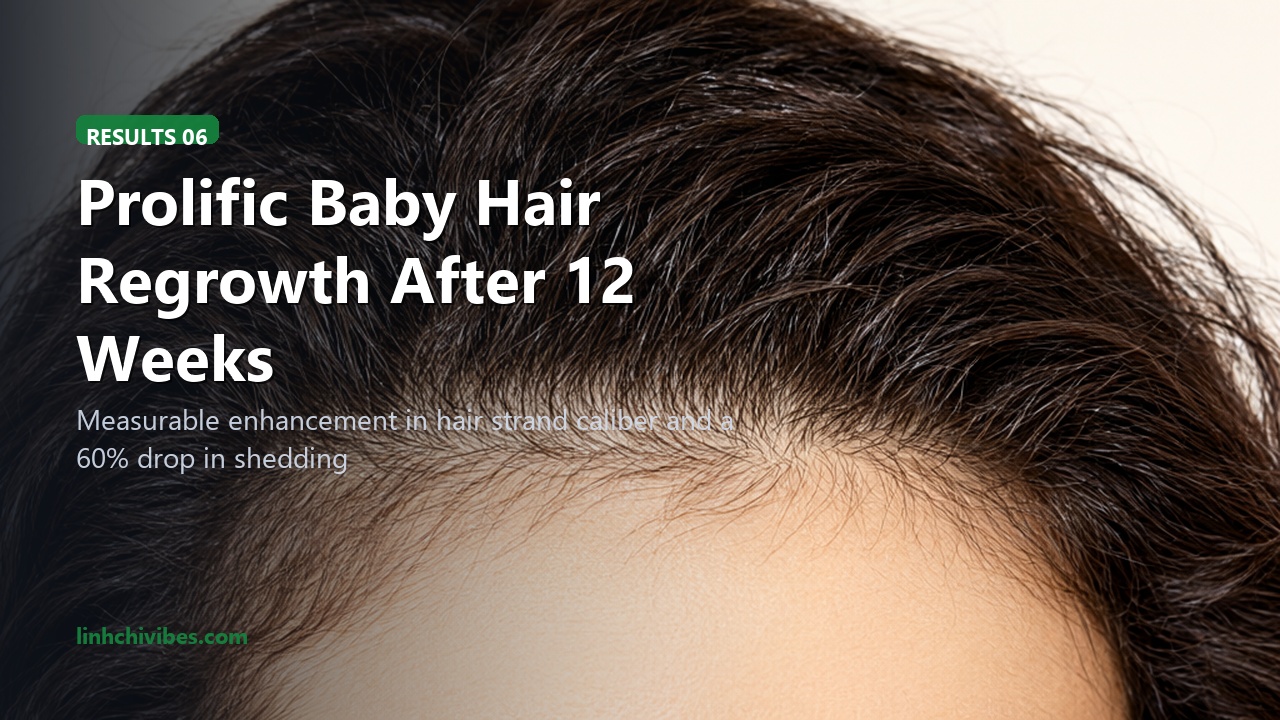
- Expecting dramatic regrowth within 3 weeks: The human hair follicle operates on rigid biological timelines: Anagen (2-7 years), Catagen (2-3 weeks), and Telogen (3-4 months). Clinical regrowth requires a disciplined 6-month commitment.
8.1. Internal Nutritional Co-Factors: Ferritin & Keratin Architecture
Topical rosemary oil stimulates the capillary vascular pump, but systemic circulation must deliver high-grade construction materials for keratin synthesis:
- Serum Ferritin (Iron Storage Threshold): Trichologists consider serum ferritin levels below 50 ng/mL suboptimal for sustained anagen hair growth. Iron is an essential cofactor for ribonucleotide reductase, the enzyme rate-limiting cellular DNA synthesis in rapidly dividing follicular matrix cells.
- Bio-Available Zinc & L-Lysine: Zinc supports protein synthesis and hormonal balance. L-Lysine, an essential amino acid found in eggs, wild fish, and legumes, forms the structural cross-links that give keratin fibers tensile strength.
- Sufficient Sulfur-Bearing Amino Acids (L-Cysteine): Keratin is extraordinarily rich in cysteine disulfide bridges. Ensuring adequate dietary protein intake ensures your follicles have the raw amino acid building blocks to spin thick, break-resistant hair shafts.
8.2. Clinical Evaluation of Leading Rosemary Scalp Formulations
If you prefer pre-formulated commercial treatments over DIY home blending, evaluate these benchmark products against clinical standards:
1. Mielle Organics Rosemary Mint Scalp & Hair Strengthening Oil
– Vehicle Profile: Rich blend of soybean, castor, and sweet almond oils infused with Rosemary, Peppermint, and Biotin.
– Performance: Excellent sensorial slip and scalp tingling; exceptionally popular for textured, coarse, or highly porous hair types.
– Clinical Verdict: Highly effective for deep conditioning, but may prove too heavy for very fine Caucasian hair unless rinsed thoroughly after 45 minutes.
2. Weleda Revitalising Rosemary Hair Tonic
– Vehicle Profile: Non-greasy aqueous-alcohol herbal tonic utilizing rosemary oil, stonecrop, and horseradish leaf extract.
– Performance: Absorbs weightlessly with zero greasy residue; can be left in the scalp daily without requiring subsequent shampooing.
– Clinical Verdict: The premier choice for fine, oily hair types who need daily stimulation without heavy lipid weight.
3. Aromatica Rosemary Root Enhancer
– Vehicle Profile: Lightweight Korean leave-on scalp mist formulated with Rosemary extract, Salicylic Acid, and 7-vitamin complex.
– Performance: Purifies follicular sebum while providing a refreshing cooling sensation on hot summer days.
– Clinical Verdict: Outstanding daily scalp refresher for acne-prone or congested scalps.
8.3. Comparative Matrix: Rosemary Oil vs. Minoxidil & Finasteride
| Treatment Modality | Primary Mechanism | Clinical Efficacy | Adverse Reaction Profile | Protocol Cessation Impact |
|---|---|---|---|---|
| Diluted Rosemary Oil (2%) | Mild 5-AR inhibition, VEGF stimulation, anti-inflammatory | Comparable to 2% Minoxidil at 6 months | Minimal (very low pruritus when properly diluted) | Gradual return to baseline; zero catastrophic shedding spikes |
| Topical Minoxidil (2% – 5%) | Potassium channel opener, microvascular vasodilation | High (rapid anagen recruitment) | Moderate to High (propylene glycol allergy, burning, heart palpitations) | Rapid dread-shedding of all newly grown hair within 8-12 weeks |
| Oral Finasteride (1mg) | Systemic Type II 5-AR inhibition (drops serum DHT ~70%) | Highest clinical standard for male pattern hair loss | Systemic (libido changes, mood fluctuations, contraindicated in females) | DHT levels rebound within 14 days, progressive thinning resumes |
💡 Trichological Best Practice: The Pre-Shampoo Warm Towel Wrap
To amplify trans-follicular absorption during your 45-minute contact window, immerse a plush cotton hand towel in hot water, wring it out completely until it is damp and steaming, and wrap it securely turban-style around your oiled scalp. The gentle, trapped convective thermal humidity dilates the ostia of the sebaceous pores and softens keratinized plugs, enabling the active 1,8-cineole and carnosic acid molecules to penetrate twice as deeply into the follicular infundibulum compared to ambient dry air.
8.5. Trichological Synergy: Integrating Rosemary Oil with Scalp Microneedling (Dermarolling)
Within the specialized field of non-surgical trichology and hair follicle bio-stimulation, combining diluted rosemary essential oil with mechanical micro-needling (scalp dermarolling) represents one of the most potent clinical synergies available today. When practiced with strict hygiene and physiological restraint, this dual-action protocol addresses follicular miniaturization through two complementary pathways:
- The Physical Micro-Injury & Platelet Cascade: Rolling medical-grade surgical titanium microneedles (specifically calibrated between 0.5mm and 0.75mm in length) creates thousands of transient microscopic punctures across the scalp epidermis without damaging hair bulbs. These controlled micro-wounds trigger an immediate physiological wound-healing response: local platelets release Platelet-Derived Growth Factor (PDGF) and Epidermal Growth Factor (EGF), while dermal papilla cells upregulate vascular endothelial growth factor (VEGF) to construct new capillary networks around dormant follicles.
- The Non-Negotiable 24-Hour Separation Rule: A dangerous error frequently made by social media enthusiasts is applying concentrated rosemary oil immediately after dermarolling. Piercing the stratum corneum and applying essential oils right away can drive concentrated terpenes into the bloodstream, triggering systemic hypotension, dizzy spells, and acute contact dermatitis across the scalp. The trichological rule is absolute: Perform micro-needling on a sanitized scalp, wait a full 24 hours for the micro-channels to close naturally, and only then apply your diluted rosemary oil treatment.
- Weekly Frequency & Disinfection Discipline: Limit scalp micro-needling to once every 7 to 10 days. Before and after every single session, immerse the roller head in 70% isopropyl alcohol for 15 minutes and allow it to air-dry inside its protective case. Never roll over areas with active folliculitis, open pustules, or severe seborrheic dermatitis.
By pairing the growth factor surge of periodic micro-needling with the continuous DHT-inhibiting microcirculation of twice-weekly rosemary oil massage, you establish an optimal regenerative environment for dormant follicles to re-enter robust anagen growth.
9. Curated Trichology Compendiums & In-Depth Clinical Readings
10. Frequently Asked Questions Regarding Rosemary Hair Oil (FAQ)
❓ How many times per week should I perform the rosemary scalp oiling ritual?
The optimal frequency validated by clinical practice is 2 to 3 times per week. Daily oiling can over-saturate follicular pores and require excessive shampooing that strips natural sebum lipids. Applying the oil on non-consecutive days (such as Sunday, Tuesday, and Thursday evenings) strikes the perfect balance between biological stimulation and scalp barrier rest.
❓ Can rosemary oil darken blonde, gray, or bleached hair?
Pure steam-distilled essential oil diluted in clear carrier oils (such as jojoba) carries negligible pigment and will not stain dark or brunette hair. However, if applied heavily to porous, platinum-bleached hair or silver-gray hair over several months, the rich yellow terpenes in unrefined oils can impart a subtle warm brassiness. If you have platinum or light blonde hair, rinse the oil out thoroughly after 30 minutes, or opt for clear commercial scalp tonics.
❓ Can I combine rosemary oil with microneedling / derma rolling?
Yes, but with crucial timing precautions! Never apply essential oils immediately after microneedling while micro-channels are open, as essential oil terpenes entering systemic circulation can provoke severe granulomatous reactions or chemical burns. Perform microneedling (0.5mm) on a clean, dry scalp once weekly, wait 24 full hours for micro-punctures to re-epithelialize, and then resume your standard diluted rosemary oil inunction ritual.
❓ Can rosemary oil reverse advanced baldness where the scalp is completely shiny and smooth?
No botanical or non-surgical therapy can resurrect a dead follicle. A shiny, smooth scalp devoid of follicular pore openings indicates complete fibrotic scarring of the dermal papilla. Rosemary oil is exceptionally effective for thinning hair, early-stage miniaturization, postpartum shedding, and diffused stress-induced telogen effluvium where living, miniaturized follicles remain viable and responsive to biochemical rescue.
11. Final Editorial Verdict from Linh Chi Vibes
Rosemary essential oil stands as evidence that the elegant potency of botanical medicine when wielded with scientific precision. In an industry saturated with empty cosmetic promises, the disciplined practice of scalp oiling offers a grounded, therapeutic path toward restoring hair density, honoring the biological cycles of the body, and cultivating enduring crown confidence from the roots up.

Pingback: Mulberry Silk Pillowcase Beauty and Hair Care Benefits – Linh Chi Vibes