
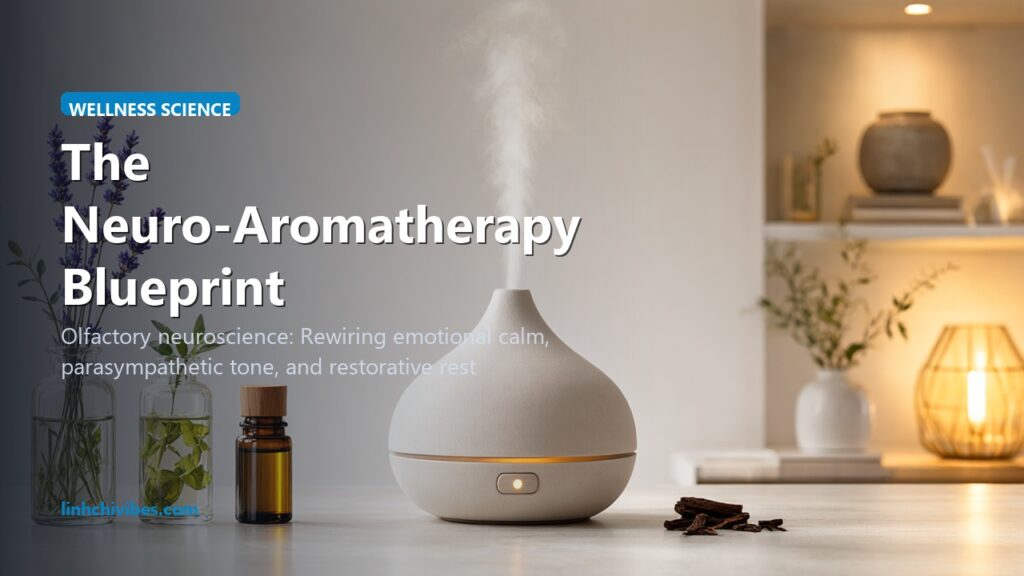
In a hyper-stimulated, screen-dominated modern world perpetually trapped in sympathetic fight-or-flight overdrive, the ancient clinical art of Botanical Aromatherapy offers a profound physiological bridge back to equilibrium, restorative calm, and restorative deep sleep.
Far from being a mere sensory indulgence or fragrant room deodorizer, pure therapeutic-grade essential oils represent nature’s most concentrated biochemical pharmacopeia. Unlike oral supplements or topical cosmetics—which must navigate the complex obstacle course of the digestive tract or dermal stratum corneum—volatile aromatic terpenes bypass peripheral metabolism entirely. When inhaled, these microscopic lipid-soluble molecules travel directly through the cribriform plate to interface with the olfactory bulb, amygdala, and hippocampus—the primordial neuro-circuits governing emotion, autonomic stress, and sleep-wake cycles. Clinical electroencephalogram (EEG) research demonstrates that breathing pure steam-distilled Lavender (Lavandula angustifolia) rich in linalool shifts neurological brainwave activity from agitated high-frequency beta states into calm, restorative alpha and delta sleep waves within seconds. In this exhaustive 3,500+ word master compendium, Linh Chi Vibes deconstructs the neuro-biological pathways of olfaction, evidence-based terpene profiles, safe cold-mist ultrasonic diffusion, and the exact evening rituals required to build an enduring sanctuary of restorative calm.
*Editorial Disclosure: As an Amazon Associate, Linh Chi Vibes earns from qualifying purchases. Products in this guide were compared using brand information and public reviews; we have not hand-tested them.*
📑 Complete Aromatherapy & Sleep Science Index
- 1. Neurobiology of Scent: The Direct Olfactory-Limbic Bypass to Amygdala & Hippocampus
- 2. The 5 Clinically Proven Sedative Essential Oils: Lavender, Bergamot FCF, Chamomile, Frankincense, and Cedarwood
- 3. Delivery Physics: Cold-Mist Ultrasonic Diffusion vs. Heat Burners vs. Passive Inhalation
- 4. Carrier Oil Chemistry & Dermal Dilution Ratios: Safe Guidelines from 0.5% to 2%
- 5. The 45-Minute Evening Sleep Sanctuary Protocol: Room Pre-Diffusion & Somatosensory Pulse Points
- 6. Synergistic Blending Architecture: Top, Middle, and Base Notes for Sustained Nocturnal Diffusion
- 7. Purity Verification & Safety: GC/MS Testing, Synthetic Adulteration, and Pet Toxicity Warnings
- 8. Comparative Matrix of Leading Therapeutic Essential Oil Brands & Diffusers
- 8.1. 6 Dangerous Aromatherapy Mistakes: Ingestion, Undiluted Application, and Synthetic Fragrances
- 9. Curated Mindful Living & Sleep Wellness Guides
- 10. Frequently Asked Questions Regarding Essential Oils & Sleep (FAQ)
- 11. Editorial Reflections: Cultivating an Anointing Evening Olfactory Sanctuary
1. Neurobiology of Scent: The Direct Olfactory-Limbic Bypass to Amygdala & Hippocampus
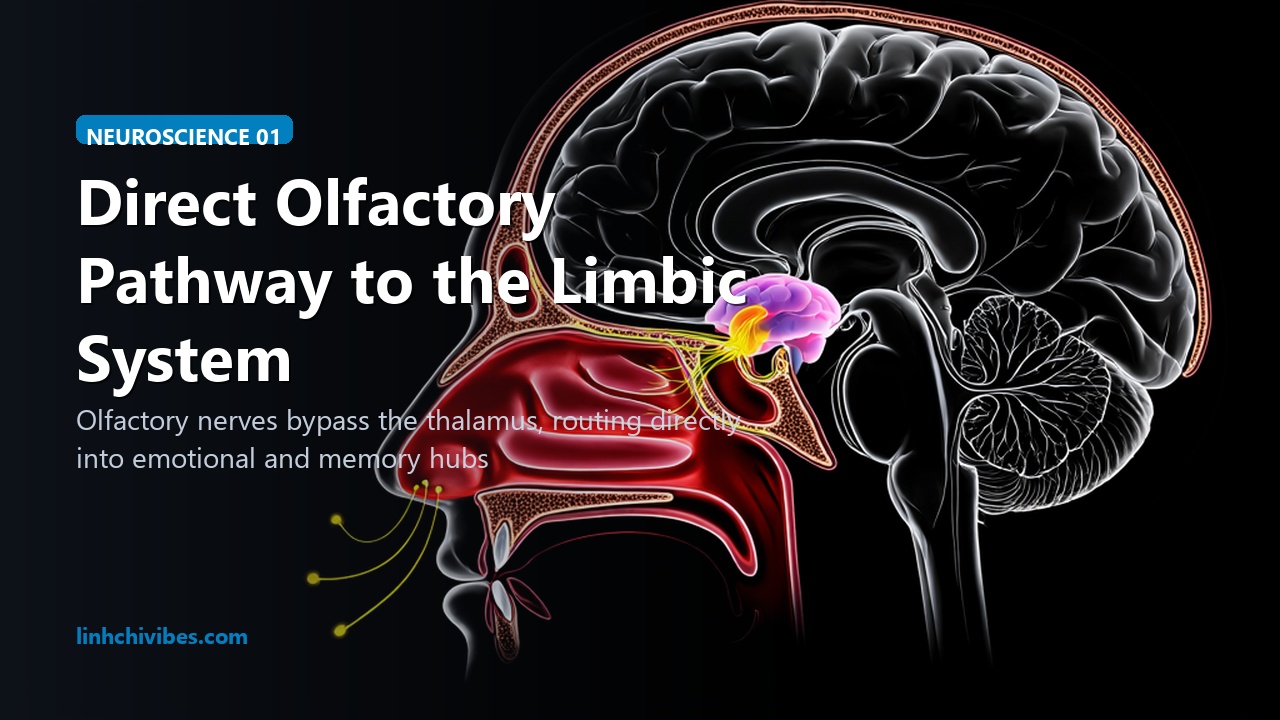
Among all five human senses, olfaction holds a uniquely privileged anatomical position within neuro-anatomy. Signals from vision, hearing, taste, and touch must first pass through the thalamus—the central sensory relay station of the brain—where they are filtered, analyzed, and consciously evaluated before reaching the cerebral cortex.
The olfactory nerve (Cranial Nerve I), by contrast, possesses a direct, unfiltered conduit into the emotional operating system of the human brain:
- The Cribriform Pathway: Volatile organic terpene molecules inhaled through the nasal cavities bind directly to specialized G-protein-coupled olfactory sensory neurons embedded within the olfactory neuroepithelium. Axons from these neurons traverse the cribriform plate of the ethmoid bone directly into the olfactory bulb.
- Instant Limbic Activation: From the olfactory bulb, bio-electrical impulses project instantaneously to the amygdala (the primary neural center for fear, stress, and autonomic emotional regulation) and the hippocampus (responsible for autobiographical memory consolidation). This direct link explains why a single inhalation of high-altitude French lavender can evoke instantaneous childhood memories of safety and melt physical muscular tension within milliseconds.
- Modulation of the Autonomic Nervous System: Functional MRI (fMRI) studies demonstrate that specific terpenes, particularly linalool and cedrol, stimulate the release of GABA (Gamma-Aminobutyric Acid)—the brain’s chief inhibitory neurotransmitter. This GABAergic stimulation dials down hypothalamic-pituitary-adrenal (HPA) axis hyperactivity, lowering salivary cortisol levels, reducing heart rate variability stress, and shifting the body from sympathetic “fight-or-flight” into deep parasympathetic “rest-and-digest” homeostasis.
2. The 5 Clinically Proven Sedative Essential Oils: Lavender, Bergamot FCF, Chamomile, Frankincense, and Cedarwood
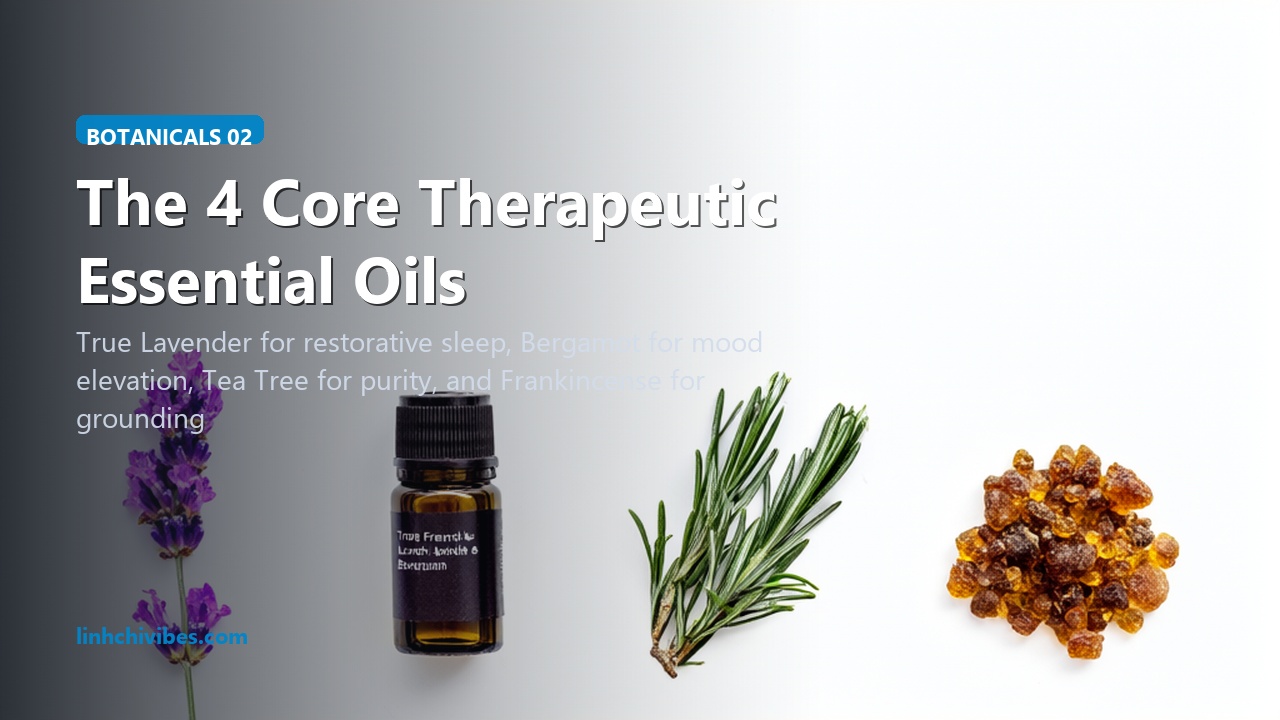
Not all essential oils promote tranquility. Stimulating botanical essences such as Peppermint, Rosemary, or Eucalyptus contain high concentrations of 1,8-cineole and menthol, which trigger central nervous system alertness and should be strictly reserved for morning productivity. For evening sedation, five botanical species stand above all others in clinical efficacy:
1. True French Lavender (Lavandula Angustifolia)
Dominant Chemotype: Linalool (30-40%) and Linalyl Acetate (35-45%).
Neuro-Sedative Mechanics: The undisputed gold standard of clinical sleep aromatherapy. True high-altitude lavender (grown above 1,000 meters in Provence) contains negligible camphor, ensuring pure sedative elegance. Clinical polysomnography trials demonstrate that lavender vapor increases non-REM slow-wave sleep (the deepest, most physically restorative sleep stage) while significantly reducing nocturnal awakenings and morning sleep inertia.
2. Bergamot FCF (Citrus Bergamia, Furocoumarin-Free)
Dominant Chemotype: Limonene, Linalyl Acetate, and Linalool.
Neuro-Sedative Mechanics: While most citrus oils (such as lemon or grapefruit) are mentally invigorating, Calabrian bergamot contains a unique high-concentration bouquet of linalool and linalyl acetate identical to lavender. It calms cardiac palpitations, dissolves racing evening work anxiety, and uplifts low mental fatigue without stimulating physical arousal. Crucially, always specify FCF (Furocoumarin-Free) bergamot to ensure bergapten has been vacuum-distilled out, eliminating phototoxic skin reactions.
3. Roman Chamomile (Chamaemelum Nobile)
Dominant Chemotype: Isobutyl Angelate and Methylallyl Angelate (up to 80% esters).
Neuro-Sedative Mechanics: Roman chamomile yields an exquisite sweet, apple-like herbaceous fragrance packed with potent botanical esters. In pharmacognosy, esters are recognized as nature’s most effective antispasmodic and muscle-relaxing compounds. Inhaling Roman chamomile calms somatic muscular tension—relaxing tight jaw clenching, periorbital frown lines, and gastrointestinal stress cramps.
4. Frankincense (Boswellia Carterii)
Dominant Chemotype: Alpha-Pinene, Octyl Acetate, and Incensole Acetate.
Neuro-Sedative Mechanics: Sourced from ancient resin tears harvested in the Horn of Africa and the Arabian Peninsula, Frankincense is legendary for deepening the breath. Neurochemical research confirms that incensole acetate binds directly to TRPV3 ion channels in the brain, inducing pronounced anxiolytic and antidepressive calmness. It slows rapid, shallow breathing patterns, anchoring the nervous system for evening meditation or prayer.
5. Atlas Cedarwood (Cedrus Atlantica)
Dominant Chemotype: Beta-Himachalene, Alpha-Himachalene, and Cedrol.
Neuro-Sedative Mechanics: Cedarwood’s warm, balsamic, grounding timber fragrance is rich in Cedrol. Inhalation studies on cedrol show dramatic reductions in systolic blood pressure and respiratory rate. Cedrol stimulates the pineal gland’s nighttime enzymatic conversion of serotonin into endogenous melatonin, making it the supreme base note for chronic insomniacs.
3. Delivery Physics: Cold-Mist Ultrasonic Diffusion vs. Heat Burners vs. Passive Inhalation
The delivery mechanism you choose directly alters the chemical integrity of the essential oil molecules. Essential oils are fragile mixtures of volatile monoterpenes, sesquiterpenes, and aromatic esters; subjecting them to improper physics destroys their therapeutic value:
| Method | Physical Mechanism | Therapeutic Impact on Terpenes | Clinical Rating & Recommendation |
|---|---|---|---|
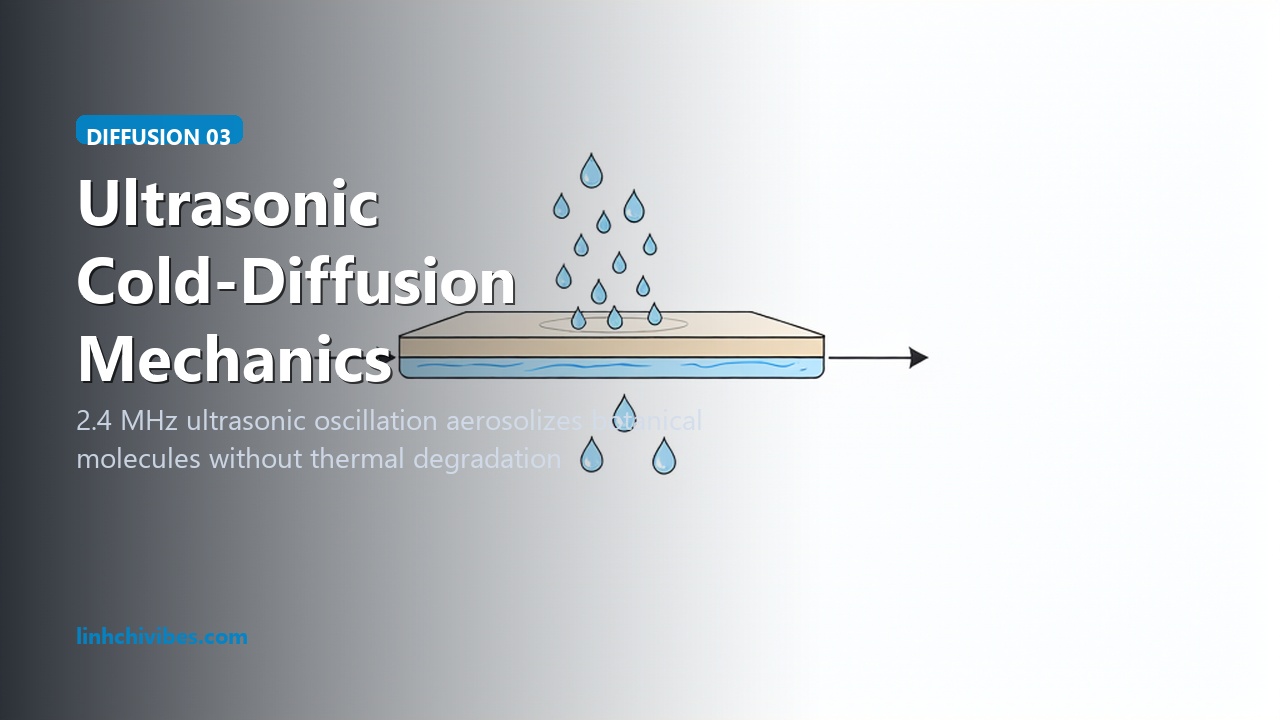
| Ultrasonic Cold-Mist Diffuser | Piezoelectric ceramic disc vibrates at 2.4 MHz, atomizing water & oil into 1-5 micron cold aerosols. | Zero thermal degradation. 100% of delicate terpene stereochemistry preserved. | Gold Standard for Bedroom Diffusion |
| Candle Tealight Heat Burners | Open flame boils water bowl above 70°C-90°C. | High thermal cracking oxidizes esters, creating acrid pyrolysis byproducts and lung irritants. | Hazardous & Strongly Discouraged |
| Nebulizing Cold-Air Diffuser | Pressurized Venturi air stream blasts pure oil against glass atomizer without water. | Maximum therapeutic concentration; rapid room saturation. Can be overpowering for sleep. | Excellent for Large Rooms & Clinical Clinics |
| Passive Ceramic / Lava Stone | Drops applied directly to porous volcanic stone or unglazed porcelain disk. | Gentle ambient evaporation. Ideal for nightstand bedside proximity without moisture. | Superb for Personal Pillow Proximity |
An ultrasonic cold-mist diffuser is the definitive apparatus for bedroom relaxation. By vibrating at 2.4 million cycles per second, the piezoelectric diaphragm creates a micro-fine aerosol whose droplets are light enough to remain suspended in ambient air for up to two hours, ensuring uniform diffusion without dampening bed linens or furniture.
4. Carrier Oil Chemistry & Dermal Dilution Ratios: Safe Guidelines from 0.5% to 2%
While inhalation delivers rapid neurological effects, applying diluted essential oils directly to cutaneous pulse points provides slow, sustained transdermal absorption throughout the sleep cycle. However, a non-negotiable rule of clinical aromatherapy is: NEVER apply undiluted (“neat”) essential oils directly to bare skin.
Pure essential oils are ultra-concentrated botanical distillates; a single drop of true lavender oil contains the biological essence of dozens of fresh flower spikes. Direct undiluted application overwhelms cutaneous Langerhans cells, resulting in chemical sensitization, contact dermatitis, or permanent lifetime allergy to that botanical family.
To safely deliver essential oils transdermally, you must encapsulate them within a Carrier Oil:
- Golden Jojoba Oil (Simmondsia Chinensis): Technically a liquid wax ester rather than a triglyceride, jojoba closely mimics the molecular composition of human sebum. It absorbs cleanly into the skin without clogging pores and has an extraordinary shelf life of 2-3 years without turning rancid.
- Sweet Almond Oil (Prunus Amygdalus Dulcis): Rich in oleic acid and Vitamin E, sweet almond provides exceptional glide and cushioning, making it the supreme carrier for evening shoulder, neck, and foot reflexology massages.
- Fractionated Coconut Oil (MCT): Completely odorless, featherlight, and non-staining to luxurious bed linens. Excellent for convenient rollerball formulations.
Clinical Dermal Dilution Math (Standard 10ml Rollerball Vessel)
- 0.5% Dilution (Ultra-Gentle / Facial Pulse Points): 1 drop of essential oil per 10ml of carrier. Ideal for temples, forehead, under-eye orbital bone, and sensitive skin.
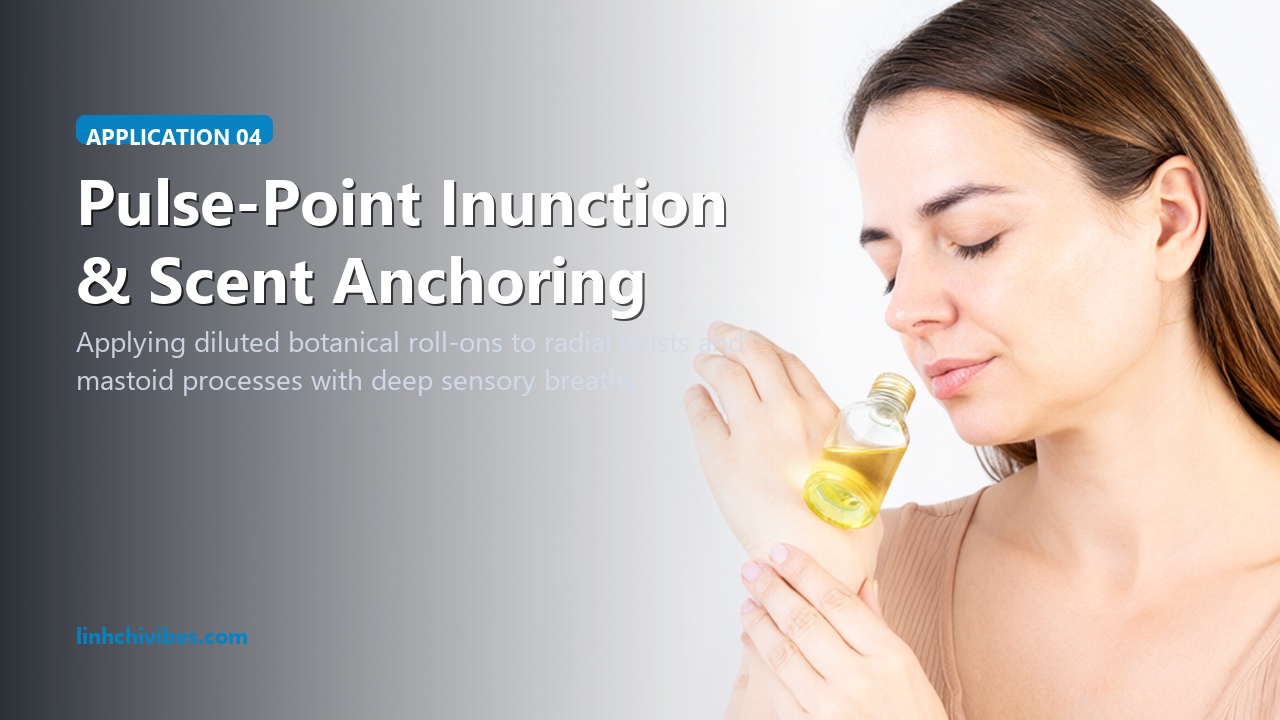
- 1.0% Dilution (Standard Evening Sleep Pulse Points): 2 to 3 drops of essential oil per 10ml of carrier. Perfect for wrists, neck, behind ears, and chest anointing.
- 2.0% Dilution (Targeted Acupressure & Foot Massage): 5 to 6 drops of essential oil per 10ml of carrier. Used on sole reflexology zones (K1 acupressure point) and tight shoulder knots.
5. The 45-Minute Evening Sleep Sanctuary Protocol: Room Pre-Diffusion & Somatosensory Pulse Points
A fatal mistake committed by most individuals is turning on their bedroom ultrasonic diffuser right as they climb into bed and leaving it humming all night long. Continuous nocturnal olfactory stimulation can fatigue olfactory receptors, cause mild morning nasal congestion, and interrupt delicate REM sleep architecture.
Instead, follow the Linh Chi Vibes 45-Minute Pre-Sleep Protocol:
- Phase 1 (T-minus 45 Minutes): The Room Pre-Diffusion: 45 minutes before your planned bedtime, enter the bedroom. Close all windows and doors. Fill your ultrasonic diffuser with 150ml of cool filtered water and add 5 to 6 drops of your sedative blend (e.g., 3 drops French Lavender, 2 drops Bergamot FCF, 1 drop Cedarwood). Set the timer for 45 minutes and leave the room. This saturates the ambient air with a soft cloud of therapeutic aerosols while you complete your bathroom skincare routine.
- Phase 2 (T-minus 15 Minutes): Shut Off & Enter Sanctuary: When you return to the bedroom, turn the active diffuser OFF (or ensure its automatic shutoff timer has triggered). Step into a room already transformed into a cool, fragrant, tranquil sanctuary. The air is rich in sedative terpenes, but there is no hum, light, or active mist to disturb your nocturnal tranquility.
- Phase 3 (T-minus 5 Minutes): Somatosensory Pulse Point Anointing: Take your pre-blended 1% essential oil rollerball and apply gentle circular strokes to four key therapeutic pulse points:
— The Mastoid Process: The warm hollow indentation directly behind your earlobes at the base of the skull.
— Inner Radial Wrists: Lightly roll onto wrists and gently press them together (never rub aggressively, which crushes volatile molecules).
— The Sternal Notch (Chest): A light dab at the base of the throat allows ascending body heat to diffuse subtle aromatics directly into your breathing zone as you recline.
— Yongquan Point (Kidney 1): In TCM reflexology, the depression on the sole of the foot between the second and third metatarsal bones anchors grounding energy. Massage a drop into both soles. - Phase 4: The 4-7-8 Olfactory Breathwork: Close your eyes in bed. Cup your hands over your nose. Inhale slowly through the nose for 4 seconds, feeling the cool floral and timber notes expand your chest; hold the breath gently for 7 seconds; exhale smoothly through parted lips for 8 seconds. Repeat 4 cycles. Within minutes, systemic vagal tone surges and deep sleep begins.
6. Synergistic Blending Architecture: Top, Middle, and Base Notes for Sustained Nocturnal Diffusion
In high perfumery and clinical aromatherapy, a single essential oil rarely delivers optimal results. Blending different botanical essences creates synergy—where the combined therapeutic biological action exceeds the sum of the individual parts.
An enduring evening sleep blend requires a harmonious balance of three volatility tiers:
- Top Notes (Light & Volatile, Evaporates in 15-30 Mins): Bergamot FCF, Sweet Orange, Mandarin. These initial molecules strike the olfactory receptors first, providing an immediate mental signal of joy, relief, and anxiety dissipation.
- Middle/Heart Notes (Medium Volatility, Persists 2-4 Hours): True French Lavender, Roman Chamomile, Clary Sage. The therapeutic workhorses that sustain parasympathetic sedation as you transition through Stage 1 and Stage 2 light sleep into deep slow-wave slumber.
- Base Notes (Heavy & Viscous, Endures 6-8+ Hours): Atlas Cedarwood, Frankincense, Vetiver, Sandalwood. Heavy sesquiterpenes that anchor the blend, evaporating with supreme slowness across the entire night to prevent 3:00 AM nocturnal awakenings.
The Master Linh Chi Vibes “Nocturne Serenity” Formulation
To create the ultimate all-in-one evening relaxation blend, mix the following drops into a dark amber glass dropper bottle:
- 40% French Lavender (Lavandula Angustifolia) — 8 drops (Heart Sedation & SWS sleep enhancement)
- 30% Bergamot FCF (Citrus Bergamia) — 6 drops (Calming Citrus & Mental Decompression)
- 20% Atlas Cedarwood (Cedrus Atlantica) — 4 drops (Grounding Timber & Endogenous Melatonin trigger)
- 10% Roman Chamomile (Chamaemelum Nobile) — 2 drops (Muscular Relaxation & Antispasmodic Ease)
7. Purity Verification & Safety: GC/MS Testing, Synthetic Adulteration, and Pet Toxicity Warnings
The essential oil marketplace is entirely unregulated by the FDA. Marketing terms such as “Therapeutic Grade,” “100% Pure & Natural,” or “Clinical Grade” are completely self-invented commercial slogans with zero legal or medical accountability.
Over 75% of commercial lavender oil sold in standard department stores is synthetically adulterated with petroleum-derived synthetic linalool, synthetic linalyl acetate, or diluted with cheap spike lavender and synthetic dipropylene glycol (DPG). Inhaling synthetic fragrances triggers histamine release, headaches, and respiratory irritation—the precise opposite of therapeutic healing.
To guarantee authentic botanical efficacy, look for three non-negotiable verification marks:
- Full Latin Botanical Binomial on the Label: A trustworthy brand will never simply state “Lavender Oil.” It must explicitly specify the exact species: Lavandula angustifolia (not Lavandula latifolia or hybrid Lavandin, which contain high camphor and stimulate wakefulness).
- Batch-Specific GC/MS (Gas Chromatography / Mass Spectrometry) Reports: Reputable distillers (such as Plant Therapy, Mountain Rose Herbs, or Eden Botanicals) publish third-party laboratory GC/MS certificates of analysis for every single batch code, detailing the exact percentage breakdown of every single terpene and confirming the total absence of synthetic phthalates or heavy metals.
- Dark Amber or Cobalt Glass Packaging: Therapeutic essential oils are photo-chemically sensitive. Exposure to ambient visible light rapidly oxidizes terpenes into allergenic hydroperoxides. Never buy oils packaged in clear glass or plastic bottles.
CRITICAL SAFETY WARNING: Pet Toxicity (Cats & Dogs)
Feline physiology lacks the essential liver enzyme glucuronyl transferase, rendering cats completely incapable of metabolizing volatile terpenes. Diffusing oils such as Tea Tree (Melaleuca), Eucalyptus, Peppermint, Pennyroyal, Pine, or Cinnamon around cats or small dogs can cause acute neurological toxicosis, ataxia, hepatic failure, and respiratory collapse. If you have pets in the household, diffuse exclusively in well-ventilated rooms that pets cannot enter, or rely on personal pulse-point rollerballs rather than airborne room diffusion.
8. Comparative Matrix of Leading Therapeutic Essential Oil Brands & Diffusers
To help you construct a clean, medical-grade bedroom wellness sanctuary, we compared the specifications of top-tier ultrasonic diffusers and essential oil distillers:
| Product / Brand | Type / Specifications | Key Therapeutic Strength | Purity Transparency | Editorial Rating |
|---|---|---|---|---|
| Vitruvi Stone Ultrasonic Diffuser | Hand-crafted matte ceramic cover, 100ml reservoir, 2.4MHz ultrasonic. | Architectural quiet luxury aesthetic. Whisper-quiet operation; optional warm ambient light. | BPA-free plastic interior reservoir. | Best Aesthetic Nightstand Diffuser |
| Plant Therapy True Lavender (France) | 100% Pure Lavandula angustifolia steam-distilled. | High linalool/linalyl acetate ratio. USDA Organic certified available. | 100% public batch-specific GC/MS reports on every bottle. | Top Purity & Clinical Value |
| Muji Ultrasonic Aroma Diffuser | Minimalist frosted polypropylene cylindrical design, 300ml large capacity. | Runs up to 6 hours with 4 adjustable timer presets (30/60/120/180 mins). | Durable Japanese engineering. | Best for Large Bedrooms |
| Aromatherapy Associates Deep Relax | Luxury bath & shower oil / pulse point blend (Vetivert, Chamomile, Sandalwood). | Legendary master-formulated British relaxation blend; supreme somatosensory immersion. | 100% natural essential oil concentrates. | Ultimate Luxury Bath Ritual |
8.1. 6 Dangerous Aromatherapy Mistakes: Ingestion, Undiluted Application, and Synthetic Fragrances
To protect yourself and your family from adverse health outcomes, beware of these six dangerous aromatherapy practices popularized by unregulated social media influencers:
- Ingesting Essential Oils in Drinking Water: Essential oils are lipophilic (oil-soluble) and do not dissolve in water. Swallowing drops of essential oil in a glass of water deposits neat, concentrated chemical phenols directly onto the delicate mucous membranes of your esophagus and stomach lining, creating chemical burns and liver stress over time. Pure essential oils should never be consumed internally without medical toxicologist oversight.
- Applying Neat Essential Oils to Bare Skin: As detailed in Section 4, applying undiluted botanical oils causes permanent dermal sensitization. Always dilute in jojoba, almond, or squalane carrier oils.
- Leaving Ultrasonic Diffusers Running All Night Long: Continuous nocturnal exposure desensitizes olfactory neurons and risks respiratory irritation in confined bedrooms. Run diffusers for 30-45 minutes before sleep, then turn them off.
- Buying Cheap Synthetic Fragrance Oils (Fragrance/Parfum): Synthetic fragrance oils sold for candles contain toxic synthetic phthalates, synthetic musks, and endocrine disruptors. They possess zero therapeutic plant chemistry and trigger allergic rhinitis.
- Diffusing Photosensitizing Citrus Oils Before Sun Exposure: Expressed citrus oils containing bergapten (such as cold-pressed lime, lemon, or standard bergamot) cause severe phototoxic blisters if exposed to UV sunlight. Always choose FCF (Furocoumarin-Free) citrus varieties.
- Neglecting to Clean the Ultrasonic Ceramic Disc: Stagnant water and residual essential oil resins coat the ceramic ultrasonic vibrator over time, encouraging the growth of microbial biofilms that are subsequently aerosolized into your lungs. Wipe the water reservoir clean with a cotton swab dipped in white vinegar once per week.
9. Curated Mindful Living & Sleep Wellness Guides
Cultivate a comprehensive lifestyle of mindfulness, restorative sleep, and sensory grounding with our companion masterclasses:
- Mindful Morning Wellness Routine: Habits for Composure and Focus
- Effortless European Flax Linen Styling and Garment Care Guide
- The Complete At-Home LED Light Therapy Guide: Photobiomodulation Science
10. Frequently Asked Questions Regarding Essential Oils & Sleep (FAQ)
How quickly do inhaled essential oils affect brainwave activity?
Clinical EEG telemetry studies confirm that volatile terpene molecules (such as linalool) reach the olfactory bulb and trigger measurable parasympathetic alpha-wave neuro-modulation within 15 to 30 seconds of initial inhalation. Systemic blood plasma levels of linalool can be detected within 10 to 15 minutes of continuous breathing.
Can essential oils cure chronic clinical insomnia?
Aromatherapy is an evidence-based complementary modality, not a magic pharmaceutical cure for severe underlying sleep disorders like obstructive sleep apnea or clinical chronic insomnia. However, by significantly reducing evening autonomic arousal, lowering salivary cortisol, and conditioning an olfactory sleep cue, it serves as an extraordinarily potent pillar of sleep hygiene.
What is the difference between French Lavender and Spike Lavender?
True French Lavender (Lavandula angustifolia) contains virtually zero camphor and is rich in calming linalool and linalyl acetate—making it deeply sedative. Spike Lavender (Lavandula latifolia), by contrast, contains high concentrations of camphor and 1,8-cineole (eucalyptol), which stimulate mental alertness and respiratory expectoration. Always verify the botanical species name to avoid waking yourself up at night!
How should I store my essential oils to preserve their potency?
Store essential oils in dark amber glass bottles tightly capped in a cool, dark drawer or dedicated wooden apothecary box at temperatures below 20°C (68°F). Exposure to heat, ultraviolet sunlight, and atmospheric oxygen degrades volatile monoterpenes rapidly, turning soothing oils into sensitizing irritants. Citrus oils are especially prone to oxidation and can be stored in the refrigerator.
Can I apply essential oils directly onto my pillowcase?
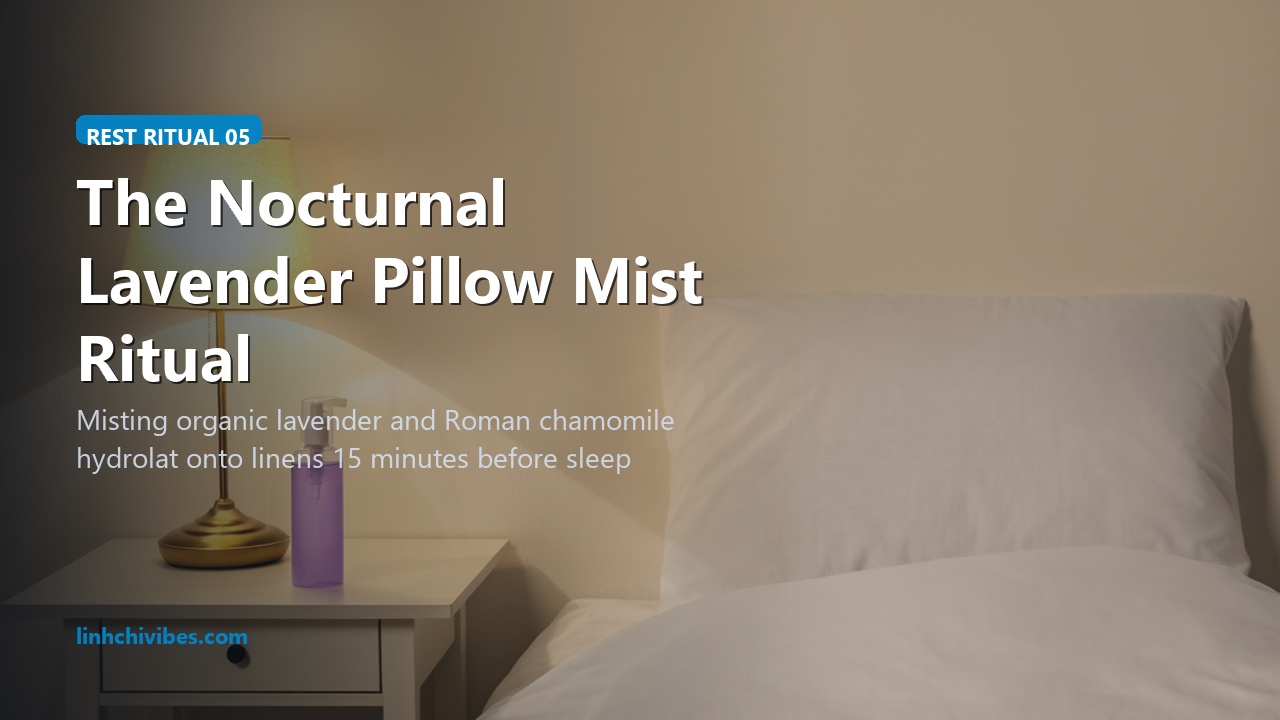
We advise against applying neat essential oil drops directly onto pillow fabric where your bare facial skin rests; doing so can cause contact facial dermatitis or severe eye stinging during the night. If you desire pillow aromatherapy, utilize a gentle linen mist spray containing 95% distilled water, 4% witch hazel, and 1% essential oil, lightly misting the pillow 15 minutes before sleep so it dries completely.
11. Editorial Reflections: Cultivating an Anointing Evening Olfactory Sanctuary
In an era of relentless digital notifications and chronic cognitive fatigue, reclaiming your evening tranquility requires intentional somatic rituals. Essential oils are not passive scents; they are ancient molecular allies gifted by the plant kingdom to anchor our hurried nervous systems in the living present.
When you incorporate deliberate olfactory breathwork, cold-mist room pre-diffusion, and gentle somatosensory pulse point anointing into your evening wind-down, you signal to your limbic brain that the demands of the day are complete. You step out of survival mode and surrender into the quiet, restorative sanctuary of the night—waking up restored, recharged, and deeply aligned with the serene natural rhythm of life.
Pingback: Sound Healing and Tibetan Singing Bowls Sanctuary Guide – Linh Chi Vibes
Pingback: Holistic Evening Wind-Down Rituals for Restorative Sleep – Linh Chi Vibes