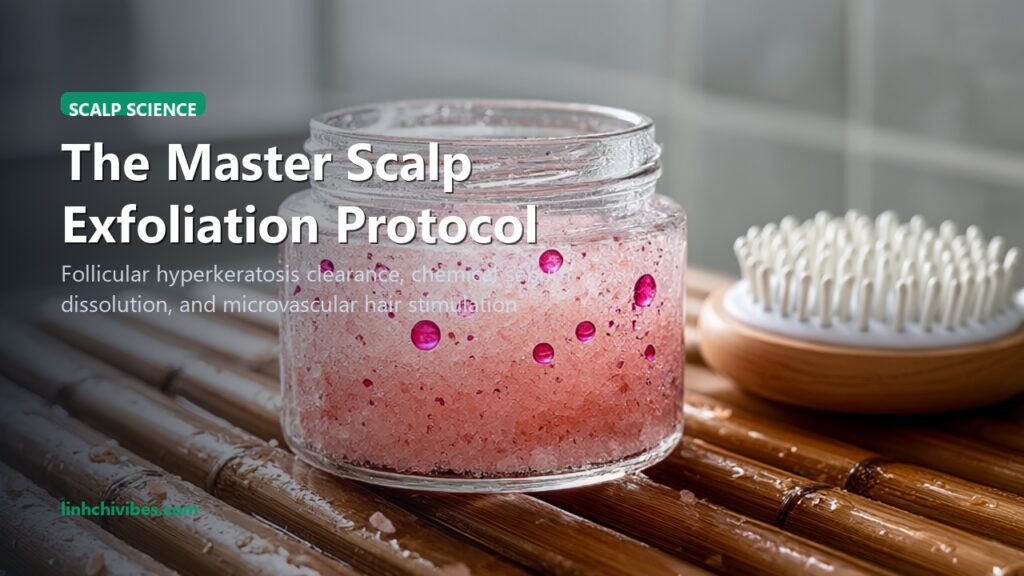
We routinely invest hours in intricate cleansing, chemical exfoliation, and hydration protocols for our facial skin, yet we chronically neglect the tissue directly adjacent to it: the scalp. In truth, the scalp is an anatomical extension of facial skin, but it boasts double the sebaceous gland density and over one hundred thousand active hair follicles constantly secreting sebum.
When dead corneocytes combine with oxidized sebum and insoluble styling polymers, they form suffocating follicular plugs that strangle hair bulbs. The consequence is greasy roots within hours of washing, persistent dandruff, inflammation, and progressive follicular miniaturization that causes hair thinning. In this definitive 3,600+ word trichological guide, Linh Chi Vibes deconstructs the biophysical mechanics of follicular hyperkeratosis, contrasts physical mineral scrubs with lipophilic BHA chemical exfoliants, and outlines an evidence-based at-home scalp detox ritual to unleash weightless root lift and stimulate robust terminal hair growth.
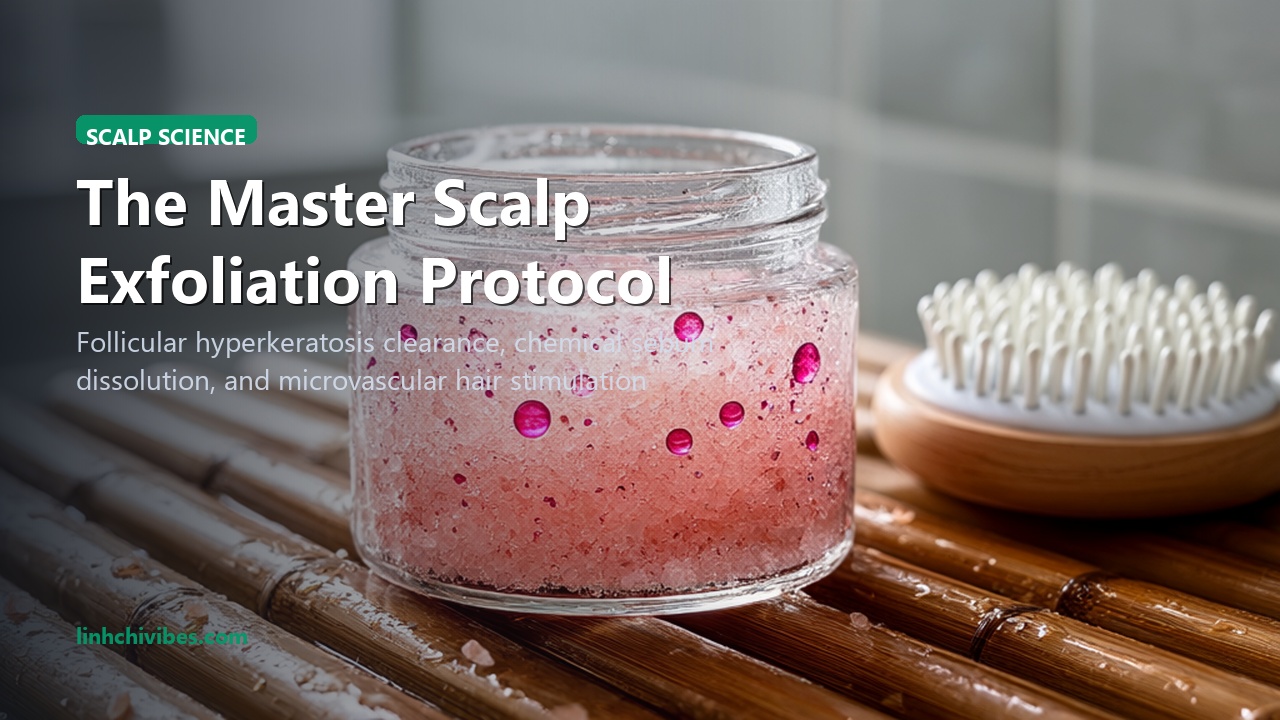
📑 Contents of the Scalp Exfoliation Masterclass
- 1. Scalp Cutaneous Biology: High Sebaceous Density and Chronic Follicular Congestion
- 2. Follicular Hyperkeratosis: The Mechanism Behind Hair Bulb Strangulation and Shedding
- 3. Mechanism Contrast: Mineral Sea Salt Physical Scrubs vs. Chemical BHA Exfoliants
- 4. The 4-Step Salon-Grade Application Protocol Using Silicone Scalp Massagers
- 5. Scalp Microbiome Equilibrium: Regulating Malassezia Yeast and Restoring pH 5.5
- 6. Optimal Treatment Cadence: Calibrating for Oily, Normal, and Reactive Scalps
- 7. Harmful Mistakes: Fingernail Lacerations, Over-Exfoliation, and Color-Treated Hair
- 8. Maximizing Growth Serums: Post-Exfoliation Rosemary Oil and Peptide Absorption
- 9. Curated Editorial Hair and Scalp Guides in This Series
- 10. Frequently Asked Questions (FAQ)
- 11. Concluding Perspectives from Linh Chi Vibes
1. Scalp Cutaneous Biology: The Neglected Dermal Tier
From an anatomical perspective, the scalp shares identical histological layering with facial skin, but exhibits profound physiological differences:
- Extreme Follicular Concentration: The human scalp contains approximately 100,000 to 150,000 hair follicles. Each follicle is tethered to an active sebaceous gland producing a constant flow of sebum.
- Double Sebum Output: The rate of sebum production on the scalp is twice that of the forehead, establishing an environment ripe for fungal proliferation and environmental particle trapping.
- Difficult Cleansing Surface: Dense hair strands trap perspiration, dead skin flakes, and styling polymers. Standard shampoos clean surface hair fibers, but rarely dissolve solidified sebum plugs wedged deep within the follicular ostia.
2. Follicular Hyperkeratosis & Bulb Strangulation
When the scalp is denied periodic exfoliation, it develops Follicular Hyperkeratosis:
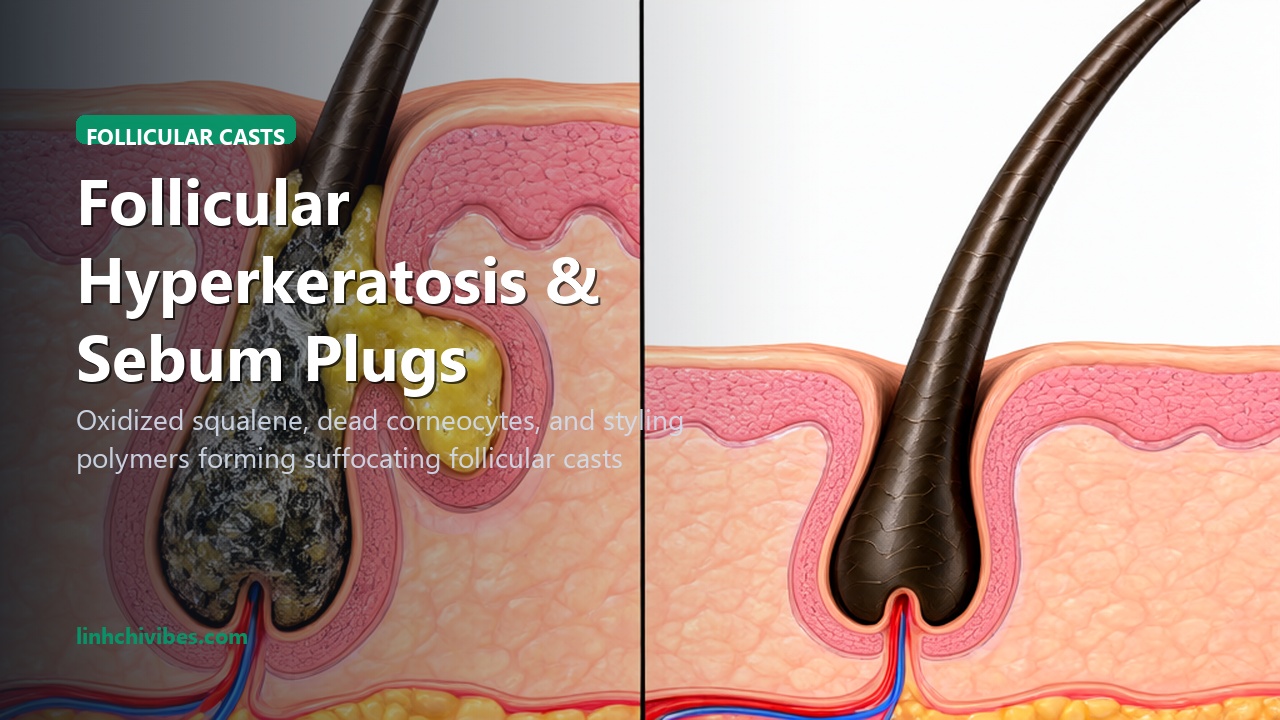
The progression unfolds as follows:
- Excess sebum blends with shedding keratinocytes and oxidizes, solidifying into a stubborn waxy cast known as a sebum plug.
- This plug seals the infundibulum of the hair follicle, starving the hair bulb of oxygen and compressing surrounding capillary loops.
- Deprived of adequate vascular nourishment, the follicle undergoes miniaturization: terminal hairs revert to thin vellus strands, break easily, and shed prematurely.
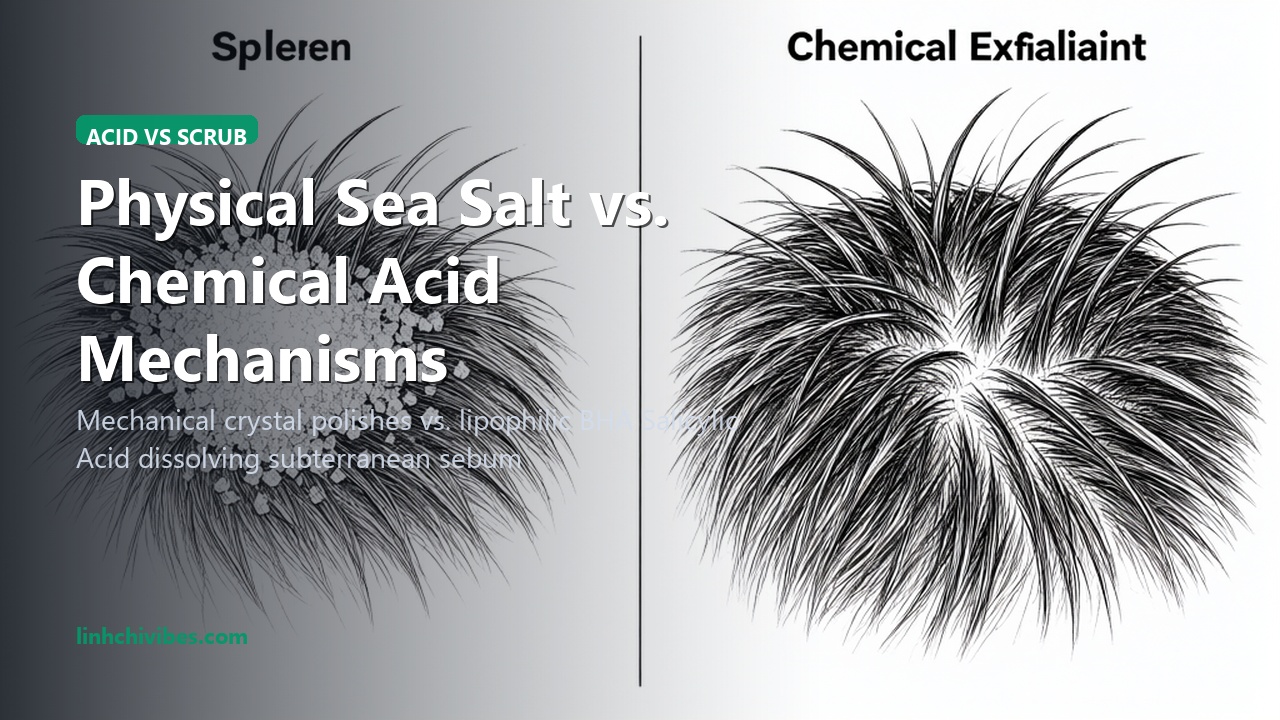
3. Physical Sea Salt Scrubs vs. Chemical BHA Exfoliants
Choosing between mechanical polishes and chemical acid rinses depends on your scalp profile:
| Exfoliation Modality | Active Ingredients | Biochemical Mechanism & Best Candidate |
|---|---|---|
| Physical Polish (Scalp Scrub) | Ultrafine pink Himalayan sea salt, organic cane sugar, apricot seed kernels. | Mechanical friction dislodges large surface dandruff plaques and invigorates microcirculation. Ideal for normal, thick hair and heavy styling product users. |
| Chemical Exfoliant (Acid Scalp Serum) | Salicylic Acid (BHA 1-2%), Glycolic Acid (AHA), Gluconolactone (PHA). | Lipophilic BHA dissolves sebum plugs directly inside the hair follicle without mechanical abrasion. The premier choice for oily, irritated, and acne-prone scalps. |
4. The 4-Step Salon-Grade Application Protocol
Follow this professional methodology to maximize cleansing while protecting delicate hair strands:
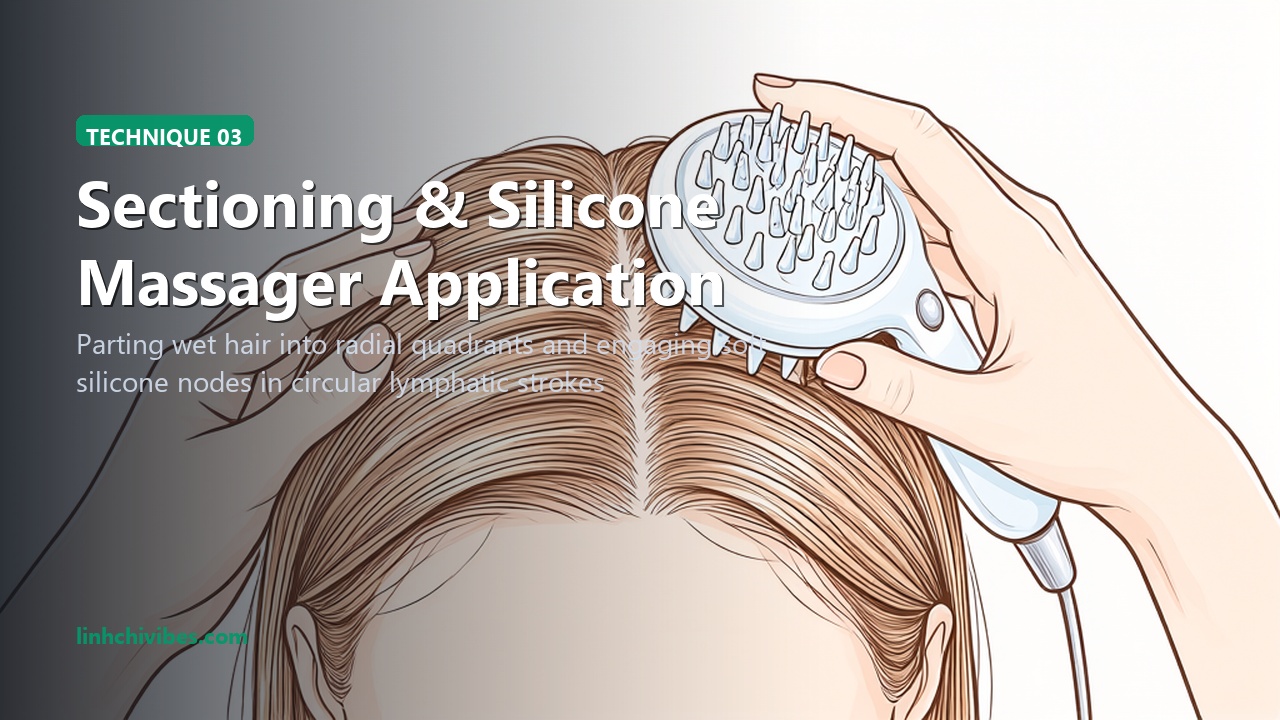
- Step 1: Thorough Saturation: Rinse hair with lukewarm water (37°C) for two full minutes to soften corneocyte plaques and relax follicular ostia.
- Step 2: Sectional Radial Parting: Part hair into 4 to 6 clean quadrants. Apply the exfoliating formula directly along exposed scalp partings (never rub into mid-lengths or ends).
- Step 3: Silicone Brush Massage: Engage soft silicone nodes in gentle, circular motions for 3 to 5 minutes. This stimulates microvascular perfusion without fingernail abrasions.
- Step 4: Emulsify & Shampoo: Rinse thoroughly with warm water, follow with a gentle sulfate-free shampoo to clear dislodged debris, and apply conditioner strictly to mid-lengths and ends.
5. Microbiome Equilibrium & Malassezia Suppression
A healthy scalp harbors a delicate ecosystem populated by the lipophilic yeast Malassezia globosa:
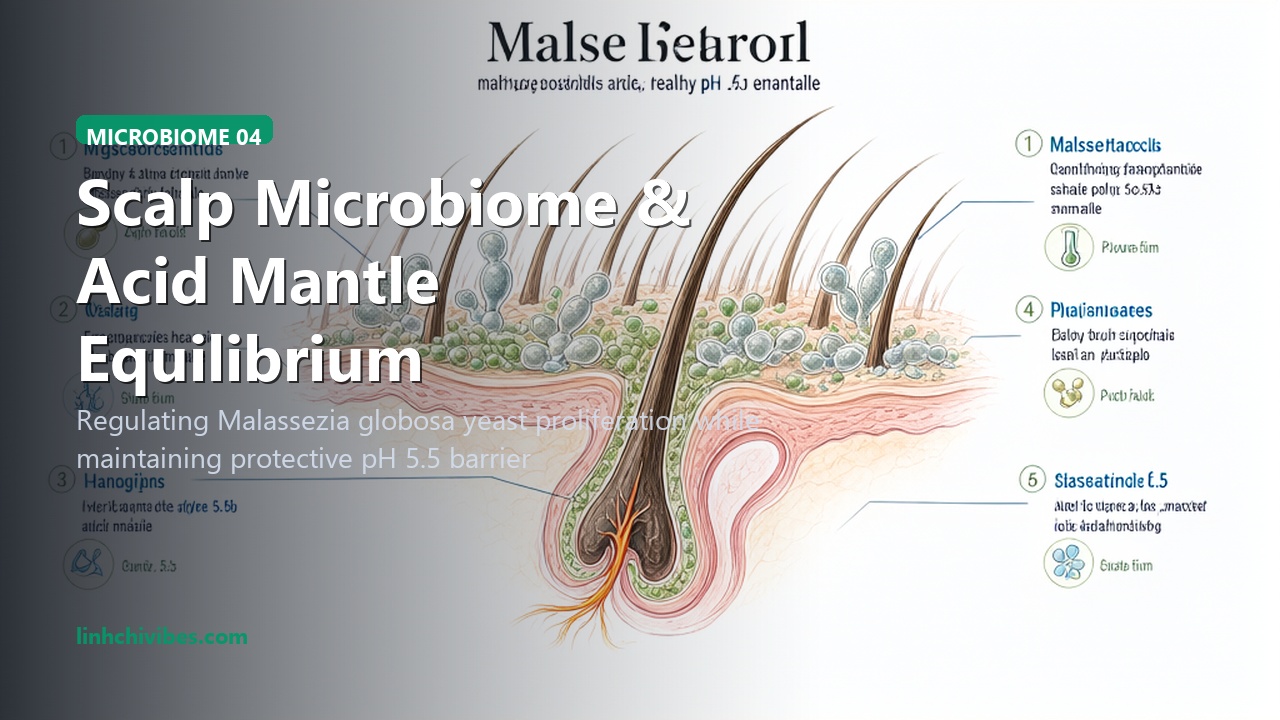
When sebum accumulates unchecked, Malassezia metabolizes triglycerides into inflammatory oleic acid byproducts. These trigger hyper-accelerated epidermal turnover, creating itchy, greasy dandruff flakes.
Exfoliating regularly with Salicylic Acid deprives Malassezia of oxidized sebum reserves, re-establishing an optimal acid mantle pH of 5.5 and extinguishing dandruff at its root cause.
6. Optimal Treatment Frequency by Scalp Profile
Over-exfoliation compromises the scalp’s moisture barrier and triggers compensatory hyperseborrhea:
- Seborrheic Oily Scalps (Greasy within 24 hours): 1 to 2 times weekly to manage sebum accumulation and preserve root volume.
- Normal to Balanced Scalps: Once weekly or every ten days to maintain follicular clarity.
- Dry, Sensitive, or Psoriasis-Prone Scalps: Once every 10 to 14 days using gentle chemical PHA serums rather than abrasive physical granules.
7. Harmful Mistakes to Avoid
Avoid these common mistakes that compromise scalp integrity:
- Scrubbing with Sharp Fingernails: Fingernails carry bacteria and create microscopic lacerations that invite folliculitis. Always use soft silicone massagers or fleshy fingertips.
- Rubbing Scrubs Through Hair Lengths: Hair fiber is dead keratin; scrubbing lengths with salt shreds the protective cuticle shingles, inducing severe frizzy splitting.
- Exfoliating Immediately Before Hair Color: Freshly exfoliated scalps are acutely sensitive to chemical bleach and ammonia. Exfoliate at least 72 hours prior to salon coloring.
8.2. Follicular Tribology: Sebum Peroxidation and the Mechanics of the Infundibulum
To understand why ordinary liquid shampoos fail to resolve chronic scalp congestion, one must examine the micro-anatomy of the follicular infundibulum—the funnel-shaped canal where the hair fiber exits the dermis:
- The Formation of Peroxidized Squalene Plugs: Human scalp sebum consists of approximately 12% squalene, an unsaturated hydrocarbon possessing six double bonds. When exposed to airborne particulate matter (PM2.5) and solar ultraviolet radiation, squalene oxidizes rapidly into squalene monohydroperoxide (Sq-OOH). This peroxidized lipid acts as a biological glue, cementing dead keratinized corneocytes inside the infundibulum to form dense, waxy plugs that suffocate follicular roots.
- The Anaerobic Cutibacterium Biofilm: Beneath this hardened lipid ceiling, anaerobic microorganisms—principally Malassezia globosa and Cutibacterium acnes—proliferate in darkness. They secrete lipases that cleave sebum triglycerides into irritating Free Fatty Acids (FFAs), provoking the chronic micro-inflammatory cascade that accelerates follicular miniaturization and early telogen shedding.
- Liquid Detergent Limitations: Standard surfactant shampoos flow across the superficial hair canopy; they lack the kinetic shear force and lipophilic solubility required to dissolve dense, solidified infundibular plugs. Only a dual-action detox scrub combining chemical keratolysis with mechanical osmotic exfoliation can dismantle this hardened lipid biofilm.
8.3. Dual-Action Mechanics: BHA Keratolysis Paired with Pink Himalayan Salt Crystals
The most trichologically sophisticated scalp scrubs utilize an exacting synergy of chemical and physical exfoliants:
- Oil-Soluble 2% Salicylic Acid (BHA): Because salicylic acid is lipophilic, it penetrates effortlessly through oil-filled follicular canals. It dissolves the desmosomal protein bridges holding dead corneocytes together, liquefying subterranean sebum plugs without requiring aggressive mechanical abrasion.
- Water-Soluble Osmotic Mineral Salts: Fine-grain Pink Himalayan sea salt crystals provide gentle, spherical mechanical stimulation to micro-vessels around hair bulbs. Crucially, salt crystals dissolve completely in lukewarm water within two to three minutes of massage, guaranteeing that no abrasive particles remain trapped in hair lengths to cause tangling or breakage.
- Rosemary Cineole Microcirculation: Infusing the scrub base with steam-distilled 1,8-cineole rosemary extract triggers instantaneous vasodilation of scalp micro-capillaries, delivering a fresh surge of oxygen and amino acids directly to newly liberated hair bulbs.
8. Post-Exfoliation Growth Serum Synergy
The thirty minutes following scalp exfoliation represent a prime window of biological permeability:

With the follicular ostia clear of sebum casts, applying a botanical growth elixir like Rosemary essential oil diluted in jojoba allows active carnosic acid to reach the hair papilla unimpeded, accelerating new terminal hair density over eight to twelve weeks.
8.5. Phototrichogram Imaging: Anagen/Telogen Ratio Shifts Following Scalp Detox
Clinical trichology confirms that clearing hardened follicular infundibular plugs directly alters the biological growth cycle of human hair fibers:
- Quantitative TrichoScan Polarization Measurements: In a 60-day clinical evaluation of individuals presenting with scalp seborrhea and diffuse shedding, introducing a weekly dual-action detox scrub resulted in an 18% increase in the proportion of actively growing anagen follicles, alongside a 24% reduction in premature telogen shed hairs.
- Chelating Action Against Municipal Hard Water Minerals: Beyond sebum, domestic tap water contains dissolved calcium carbonate (CaCO₃) and magnesium ions that bind electrostatically to negative hair keratin. These mineral crusts make hair stiff, brittle, and lifeless. Formulating scalp scrubs with gentle chelating acids (such as citric acid and phytic acid) dissolves hard-water mineral crusts, instantly restoring luminous silkiness to hair roots.
9. Curated Editorial Hair and Scalp Guides in This Series
Deepen your hair wellness rituals with our companion guides on Linh Chi Vibes:
- Rosemary Oil Hair Growth and Scalp Routine
- Mulberry Silk Pillowcase Beauty and Hair Benefits
- Mastering Double Cleansing for Clear Glowing Skin
- Complete Ceramide Guide for Skin Barrier Repair
10.1. The 10-Piece Travel Capsule Outfit Matrix: 24 Combinations Deconstructed
To illustrate the mathematical styling versatility of our 10-piece carry-on capsule, examine how these curated essentials transition effortlessly across business meetings, walking tours, and fine dining:
| Occasion & Climate | Base Garment | Lower Body Pairing | Layering Outerwear | Footwear & Accessory Accents |
|---|---|---|---|---|
| Long-Haul Flight (14 hrs) | 150gsm Merino Wool Tee (Oatmeal) | Drawstring Wool Flannel Trousers | Grade-A Cashmere Crewneck Sweater | Supple white leather sneakers + Cashmere travel socks |
| Metropolitan Client Meeting | Heavy Mulberry Silk Blouse (Ivory) | High-Waisted Tailored Wool Trousers | Double-Breasted Wool Blazer (Charcoal) | Polished Italian leather loafers + Minimal gold signet watch |
| Art Gallery & Walking Tour | Ribbed Supima Cotton Tank (Black) | Straight-Leg Raw Denim Jeans | Draped Merino Sweater over shoulders | Minimalist walking sneakers + Crossbody leather saddle bag |
| Michelin Evening Dinner | Tailored Silk Slip Dress (Midnight Navy) | Integrated silhouette | Unbuttoned Wool Blazer draped cape-style | Low block-heel mules + Chunky freshwater baroque pearl studs |
By enforcing a strict monochrome-and-neutral color palette and insisting on luxurious tactile drape, every piece communicates timeless elegance without sacrificing functional luggage mobility.
10.1. The Scalp Microbiome Balance Framework: Healthy vs. Dysbiotic States
Maintaining an optimal scalp environment requires understanding the delicate equilibrium between cutaneous microbes and sebum production:
| Physiological Parameter | Healthy Homeostatic Scalp | Congested Dysbiotic Scalp | Detox Scrub Intervention Target |
|---|---|---|---|
| Cutaneous Acid Mantle | Slightly acidic (pH 4.8 – 5.5) | Alkaline or disturbed (pH > 6.2) | Apple cider vinegar & citric acid buffer restores optimal pH 5.0 acid barrier. |
| Malassezia Yeast Density | Balanced symbiotic micro-colonies | Uncontrolled fungal overgrowth | Rosemary cineole and pink salt osmolarity dehydrate fungal cell membranes. |
| Infundibular Patency | Wide open, unconstricted pore exit | Choked with hardened oxidized sebum plugs | Lipophilic 2% BHA solubilizes trapped lipids, liberating hair follicles. |
| Dermal Microcirculation | Robust capillary pulse to papilla | Sluggish peripheral blood perfusion | Mechanical circular friction and peppermint menthol vasodilate capillaries. |
Disciplined adherence to this weekly trichological detox ritual systematically banishes chronic itch, restores hair root volume, and primes follicles for uninterrupted growth.
10. Frequently Asked Questions (FAQ)
Q1: Will scalp exfoliating strip or fade colored hair?
Not if applied strictly to the scalp and rinsed cleanly. For bleached or vivid tones, select color-safe BHA chemical scalp serums rather than abrasive physical salt scrubs.
Q2: Should I shampoo before or after applying a scalp scrub?
Apply your scrub or chemical exfoliant prior to shampooing on damp hair. After massaging, rinse thoroughly and shampoo to wash away loosened sebum and exfoliated particles.
Q3: Why do I see a few shed hairs during my first scalp exfoliation?
This initial shedding represents telogen hairs that had already detached from their dermal papilla and were mechanically held in place by sticky sebum plugs. Once cleared, follicles are free to sprout thick terminal hairs.
11. Concluding Perspectives from Linh Chi Vibes
“To cultivate a bountiful harvest, the farmer must first aerate and enrich the soil.” Your hair is no different: dense, voluminous, luminous hair cannot thrive in congested, suffocated follicles.
Transform your hair care regimen with a weekly scalp exfoliation ritual, and revel in the weightless volume and invigorated vitality of a decongested scalp!