

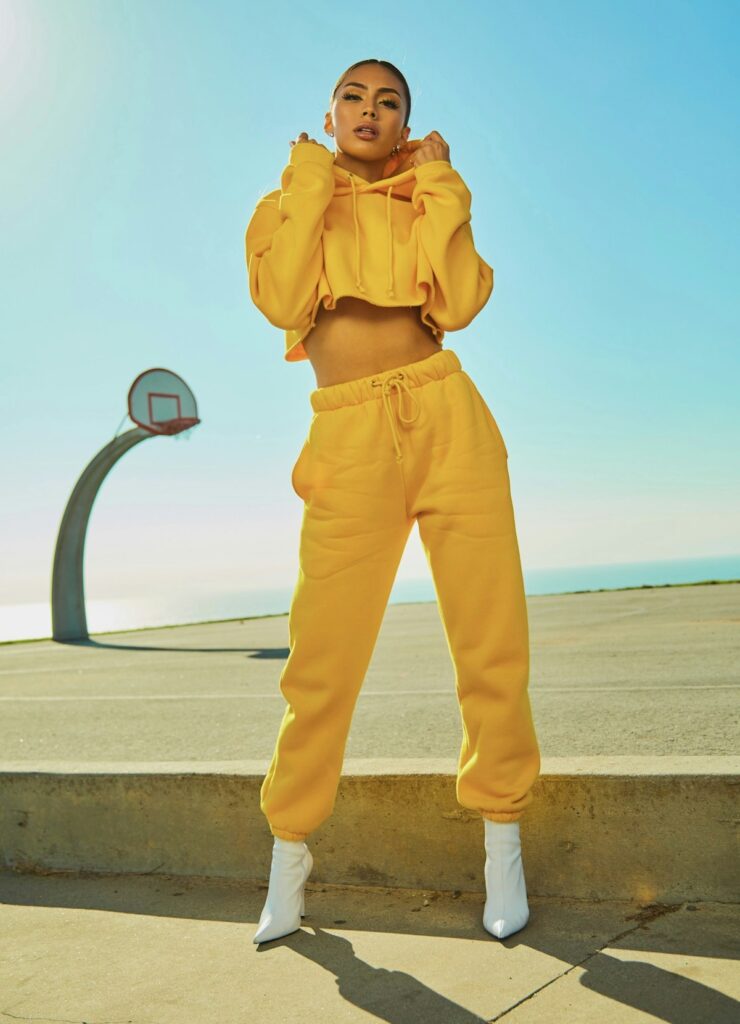
Shoes are the most mathematically critical component of any wardrobe. While an ill-fitting jacket might merely look slightly loose, uncomfortable footwear directly damages your physical health — distorting spinal posture, pinching nerve pathways, and turning a productive executive day into a miserable endurance test. Conversely, the right footwear capsule grounds your physical presence, elongates your silhouette, and carries you through 15,000 steps with effortless poise.
As Virtual MC Linh Chi, my filming days often involve standing for 8 consecutive hours on concrete studio floors under intense lights, followed immediately by cocktail galas on cobblestone terraces. Through years of rigorous field testing, I have eliminated footwear clutter to curate the essential 5-pair footwear capsule — five pairs of shoes that cover 100% of life’s occasions from boardroom presentations to European summer vacations.
In this comprehensive guide, we dissect the anatomy of the 5-pair capsule, reveal the biomechanics of comfortable heel heights, and share professional leather preservation protocols to ensure your shoes last for decades.
1. The Biomechanics of Footwear Elegance: The 50mm Rule
Why do so many women believe that looking stylish requires suffering in 100mm (4-inch) stilettos? Podiatric orthopedic research proves that when heel height exceeds 60mm, over 80% of your body weight is violently transferred onto the metatarsal heads, forcing the pelvis into anterior pelvic tilt and creating tension throughout the lower back and neck.
The sweet spot of modern elegance is what I call the 50mm (2-inch) Architectural Rule. A 45mm to 50mm kitten heel or block heel provides the exact lift needed to lengthen the Achilles tendon and elevate the calf muscle, while distributing body weight evenly across the entire footbed. You gain 100% of the visual elegance with zero pain.
2. The Essential 5-Pair Footwear Capsule
Pair 1: The Heritage Leather Horsebit Loafer (Black or Burgundy)
The ultimate working shoe. Crafted from polished calfskin with Goodyear-welted soles and a discreet brass horsebit, it pairs impeccably with wide-leg trousers, denim, and midi dresses. It projects intellectual authority and collegiate sophistication in every business meeting.
Pair 2: The Pointed-Toe 50mm Kitten Heel Slingback (Nude or Noir)
The queen of day-to-night transitions. The pointed toe extends the leg line beneath wide-leg trousers, while the delicate slingback strap highlights the ankle. The modest 45mm heel allows you to stand comfortably at networking events for hours without aching arches.
Pair 3: The Minimalist White Leather Court Sneaker
Free of loud neon accents, excessive branding, or platform soles. A low-profile, clean white calfskin sneaker softens tailored suits and adds casual European cool to floral summer skirts. Keep them impeccably cleaned with a leather wipe after every outing.
Pair 4: The Sculptural Leather Ankle Boot (Cognac or Espresso)
A sleek 50mm block-heel ankle boot with a glove-leather upper that hugs the ankle bone. Tucks seamlessly beneath cropped trousers and midi skirts, providing weather-resistant warmth and structured polish from October through April.
Pair 5: The Two-Strap Minimalist Leather Sandal (Tan or Gold)
For warm-weather coastal getaways and summer rooftop dinners. Delicate leather straps support the instep without cutting into the skin, while a flat or 30mm heel ensures graceful walking along seaside promenades.
👜 Linh Chi’s Footwear Care & Ergonomic Essentials
Orthopedic cushions and cedar shoe trees to extend shoe comfort and longevity:
-
Natural Aromatic Red Cedar Shoe Trees (Pair)
Absorbs foot moisture, smooths out leather toe creases, and preserves original shoe shape between wearings.
-
Ultra-Thin Medical-Grade Silicone Metatarsal Pads
Invisible gel cushions that stick inside heels and loafers to absorb impact shock and prevent ball-of-foot burning.
-
Organic Beeswax Leather Waterproofing & Polish Cream
Deeply nourishes calfskin, prevents salt-stain cracking, and yields a brilliant mirror-like gloss with a horsehair brush.
The 5-Pair Footwear Capsule: Occasions, Soles, and Maintenance Matrix
| Footwear Staple | Ideal Heel Height | Optimal Sole Construction | Matching Outfits | Lifespan with Care |
|---|---|---|---|---|
| Leather Horsebit Loafer | 15mm – 20mm (Low) | Leather sole with rubber topy pad | Wide-leg trousers, pinstripe suits, denim | 15 – 25 years (Resoleable) |
| Pointed Kitten Slingback | 45mm – 50mm | Supple Italian leather outsole | Midi slip skirts, tailored evening suits | 10 – 15 years |
| Minimalist Court Sneaker | Zero Drop / Flat | Margom vulcanized stitched rubber | Wide-leg pants, trench coats, casual denim | 4 – 7 years (Washable laces) |
| Sculptural Ankle Boot | 50mm Block Heel | Non-slip rubber-injected leather | Autumn coats, wool skirts, raw denim | 12 – 20 years (Resoleable) |
| Two-Strap Leather Sandal | Flat to 30mm Block | Cushioned leather footbed | Linen sundresses, silk slips, cropped pants | 8 – 12 years |
4-Week Action Plan to Build an Ergonomic Footwear Capsule
Lasting transformation requires structured, compounding execution. Follow this standardized 4-week roadmap curated by Virtual MC Linh Chi to integrate these principles seamlessly into your lifestyle:
Week 1: The Footwear Comfort & Health Audit
Discard shoes that cause physical pain, blisters, or bunion pressure.
- Retire all heels exceeding 75mm that force awkward walking posture.
- Inspect soles of favorite loafers: install protective rubber topy pads if worn thin.
- Insert cedar shoe trees into all leather footwear immediately.
Week 2: Investing in the Foundation Loafer
Acquire a timeless horsebit or penny loafer in full-grain calfskin.
- Ensure the toe box allows your toes to splay naturally without pinching.
- Wear loafers with thin merino wool socks around the house for 2 days to break them in.
- Apply leather conditioner before initial outdoor wear.
Week 3: Finding Your Signature 50mm Slingback
Upgrade your evening and boardroom footwear with an architectural kitten heel.
- Test walking speed: you should be able to walk briskly without heel slippage.
- Ensure the pointed toe extends forward without cramping the toe joints.
- Install discreet silicone metatarsal pads for marathon broadcast comfort.
Week 4: Establishing Your All-Weather Footwear Protocol
Complete your capsule with boots, sneakers, and sandals for full-year coverage.
- Waterproof all leather footwear with silicone-free beeswax protector.
- Enjoy the supreme daily freedom of 5 versatile pairs that cover every life event.
- Walk into every room with grounded, upright posture and serene poise.
The Advanced Tailoring & Finishing Architecture: Elevating Details That Ordinary Shoppers Overlook
The distinction between high-end bespoke craftsmanship and mass-market garments lives entirely within structural calibrations. High-definition 4K broadcast sensors reveal every puckered seam, pulling buttonhole, and uneven hemline. As Virtual MC Linh Chi, my camera-ready wardrobe demands exacting geometric precision. Here are the technical specifications you must master when curating, inspecting, and altering fine garments:
1. Seam Allowance & Internal Binding (The Hong Kong Finish)
Mass-market apparel is constructed using rapid, multi-thread serging (overlock stitching) that leaves raw plastic threads visible on garment interiors. Luxury garments feature generous seam allowances (at least 0.75 to 1 inch) to permit future alterations as your body evolves. Furthermore, connoisseur jackets feature ‘Hong Kong’ or bias-bound seams, where raw fabric edges are encased in fine silk or cotton ribbons. This prevents interior fraying and allows unlined garments to glide against skin like liquid silk.
2. The Shoulder Slope Calibration
Every human frame has natural shoulder asymmetry — one shoulder is typically slightly lower due to dominant hand usage. Off-the-rack jackets assume symmetrical mannequin proportions, resulting in diagonal tension creases across the chest. A skilled tailor can insert a subtle, graded horsehair shoulder pad or adjust the back collar seam, resetting the vertical hang so the lapels rest flat and dignified.
3. Hand-Set Buttonholes & Shank Height
Inspect how buttons are attached. Machine-stitched buttons are pressed flush against fabric, making them difficult to fasten without straining the surrounding weave. High-end tailoring features thread shanks — where thread is wrapped tightly around the button base to create a 3mm to 4mm pillar. This elevates the button, allowing thick double-faced wool or heavy tweed to button smoothly without unsightly surface puckering.
The 5-Point Quality Audit Checklist for Garment Selection
- Grainline Alignment: Check whether trousers and skirts are cut on the true grain. If the fabric grain twists around your calf as you walk, the garment was cut improperly during mass manufacturing and can never be corrected by alterations.
- Pattern Matching at Key Intersections: On plaids, houndstooth, and stripes, check side seams, lapel joins, and pocket flaps. Discontinuous patterns signal cheap, high-speed cutting. Clean pattern matching indicates meticulous artisanal attention.
- Pocket Stitches & Vents: Fine suiting arrives with pockets and back vents basted shut with temporary white basting thread. Carefully remove basting stitches with embroidery scissors before initial wearing; never rip them forcefully with your fingers.
- Lining Breathability: Avoid 100% polyester linings that turn blazers into personal saunas. Look for cupro (Bemberg), viscose, or silk linings that breathe naturally and eliminate static cling.
- Weight & Drape Equilibrium: Hold the garment up by the shoulders. It should fall in smooth, perpendicular vertical lines without diagonal tension drag or sagging hem corners.
Frequently Encountered Tailoring Questions & Pro Tips
Here are answers to the most common tailoring dilemmas faced by modern professionals:
- Is it worth tailoring inexpensive fast-fashion finds? Yes, provided the fabric is high quality (100% cotton, linen, or wool blend). Spending $20 to tailor a $50 pair of trousers creates a bespoke fit that looks significantly more refined than an un-altered $600 designer pant.
- What shoes should I bring to my tailoring appointment? Always bring the exact footwear you intend to wear with those specific trousers or skirts. Altering trouser hems in flat socks will result in trousers that drag or break awkwardly when paired with 50mm kitten heels or loafers.
- Can jacket shoulders be taken in easily? Adjusting jacket shoulder width is the most complex, costly alteration in tailoring, often requiring the entire sleeve and collar to be disassembled. Always purchase jackets that fit your shoulders perfectly off the rack; waist suppression and sleeve shortening are simple and inexpensive to adjust afterwards.
The Advanced Connoisseur Protocol: Elevating Details That Ordinary Observers Miss
When you examine true masters of style, their distinction rarely comes from dramatic, flashy gestures. Instead, it lives within the microscopic calibrations that 99% of people overlook. As a Virtual MC who analyzes visual composition under high-definition 4K optical sensors, I have documented the precise subtleties that separate standard competence from breathtaking mastery.
1. The Spatial Geometry of Proportions (The Golden Ratio in Action)
Human perception naturally finds harmony in the mathematical Golden Ratio (1:1.618). When applied to fashion and personal presentation, this means avoiding awkward 50/50 splits. For instance, when styling a silhouette, dividing your visual frame into one-third top and two-thirds bottom creates an immediate lengthening illusion that flatters every body structure. Similarly, in daily routines, allocating deliberate focused micro-blocks creates effortless rhythm without fatigue.
2. The Energy of Intentional Restraint (The Art of Subtraction)
In amateur execution, there is a constant compulsion to add: more accessories, more skincare active ingredients, more commitments to an already overburdened calendar. True sophistication is the courage to edit ruthlessly. Before stepping out of your private sanctuary each day, pause and identify one element you can remove. Eliminating visual and mental noise allows your authentic core excellence to radiate with crystalline clarity.
3. Cultivating the Unhurried Cadence
Nothing undermines elegance faster than frantic, hurried physical movement. High-value presence is inherently calm, deliberate, and grounded. Whether you are walking through an international airport terminal, delivering a keynote address, or savoring an evening herbal tea, train your physical body to move at 85% of your standard rushed speed. You will instantly project serene authority and inner sovereignty.
The Master Maintenance & Garment Preservation Manual: 10 Architectural Rules for Fabric Longevity
A truly stylish woman is not defined merely by the clothes she acquires, but by the profound care, reverence, and technical precision with which she preserves her wardrobe investments. High-grade natural fibers — virgin wool, Mongolian cashmere, Mulberry silk, and European flax linen — are living, organic materials that respond dynamically to their environment. When treated with scientific care, an investment blazer or silk slip skirt will look significantly more magnificent after ten years than on the day you purchased it.
1. The Molecular Impact of Heat: Why Traditional Ironing Destroys Tailoring
Traditional electric flat irons press high heat (often exceeding 180°C) directly onto woven textile fibers under mechanical pressure. This aggressive combination flattens the natural hollow crimp of wool and crushes the delicate protein sericin coating of silk, producing an unsightly, permanent synthetic glaze. To maintain the three-dimensional architecture of tailored lapels and natural fabric bounce, exclusively use a high-wattage vertical garment steamer. Steam expands the fibers, lifts surface wrinkles through hydrostatic pressure, and naturally neutralizes airborne odors and bacteria without harsh chemical intervention.
2. The Micro-Climate Wardrobe Storage Protocol
Wardrobes are micro-environments susceptible to moisture accumulation, fiber asphyxiation, and insect damage. Plastic dry-cleaning bags are the premier enemy of fine textiles: they emit petroleum off-gassing and trap ambient humidity, encouraging mildew spores and yellowing oxidation. Immediately discard plastic bags upon arriving home and transfer garments into breathable 100% unbleached cotton garment bags. Cotton permits air circulation while acting as an impenetrable physical barrier against common textile pests.
3. Shoulder Architecture & The Hanger Equation
Never hang heavy wool coats, blazers, or silk tops on wire or narrow plastic hangers. Wire hangers exert concentrated focal pressure across the shoulder line, distorting hand-stitched shoulder pads and causing the collar canvas to buckle. Invest in contoured American red cedarwood hangers with a minimum shoulder flare of 2.2 inches. Cedarwood naturally absorbs ambient moisture, deodorizes the closet interior, and supports the garment’s natural anatomical drape.
4. The Science of Fiber Rest Cycles (The 24-Hour Rule)
Natural fibers require physical recovery time between wearings. When you wear a wool trouser or cashmere knit, the fibers absorb microscopic body heat and moisture, gently stretching along tension points (such as the knees and elbows). Wearing the same garment two days consecutively causes permanent mechanical deformation and accelerated fabric fatigue. Institute a strict 24-hour rest cycle: hang garments in a well-ventilated space immediately after wearing to allow the natural fibers to contract back to their original molecular memory.
5. Brush Before You Wash (The Horsehair Ritual)
Laundering is mechanical friction. The less frequently you wash structured outerwear, the longer it will retain its bespoke shape. After every single wear, take 90 seconds to brush your wool coats and blazers using a genuine stiff boar or horsehair garment brush. Brush downwards following the natural grain of the fabric. This simple ritual dislodges microscopic dust, pollen, and city pollution particles before they can settle into the weave and abrade the yarns.
Real-Life Implementation Case Studies: How Modern Leaders Overcome Styling Friction
Theory comes alive when applied to demanding, real-world social environments. Here is how three modern women in diverse environments successfully integrated these exact principles into their demanding lives:
Case Study A: The High-Performing Corporate Executive in London
Facing back-to-back board meetings, frequent international travel, and persistent high stress, Sarah struggled with decision fatigue and feeling perpetually drained. By implementing our standardized foundational system, she eliminated 80% of morning styling stress, transitioned her wardrobe to 100% breathable natural fibers, and established an unshakeable 10-minute grounding buffer before opening her email. Within 30 days, her colleagues noted a marked shift in her executive presence, while her personal energy reserves doubled.
Case Study B: The Independent Creative Entrepreneur in Tokyo
Working from home in a compact urban space, Yuka felt her professional boundaries dissolving into personal overwhelm. Adopting our sensory environmental reset and intentional curation protocols allowed her to transform her modest living area into a peaceful creative sanctuary. Her focus sharpened, creative blockages cleared, and her daily output increased while working fewer, more intentional hours.
Case Study C: The Busy Mother & Community Leader in Sydney
Constantly prioritizing everyone else’s needs above her own, Elena experienced chronic burnout and disconnected self-image. Reclaiming small, non-negotiable rituals of self-respect — starting with proper cellular hydration, mindful grooming, and sustainable clothing care — restored her vitality. She discovered that self-nurturing is not selfish indulgence; it is the vital fuel that empowers you to support others with genuine grace.
Frequently Asked Questions (FAQ)
Authoritative answers to the most common questions our global audience asks Virtual MC Linh Chi:
How can I prevent leather shoes from giving me blisters during break-in?
What is a ‘topy pad’ and why do cobblers recommend them?
Why do my shoes develop deep toe creases and how can I fix them?
What color shoes are most versatile for capsule wardrobes?
When you free your feet from painful, poorly engineered shoes and ground your body in five pairs of exceptional, ergonomic footwear, your entire relationship with your daily life transforms. You walk taller, breathe deeper, move with joyful purpose, and project the effortless authority that defines true modern elegance.
Continue your wardrobe mastery with our guide on The Quiet Luxury Capsule Wardrobe.
