
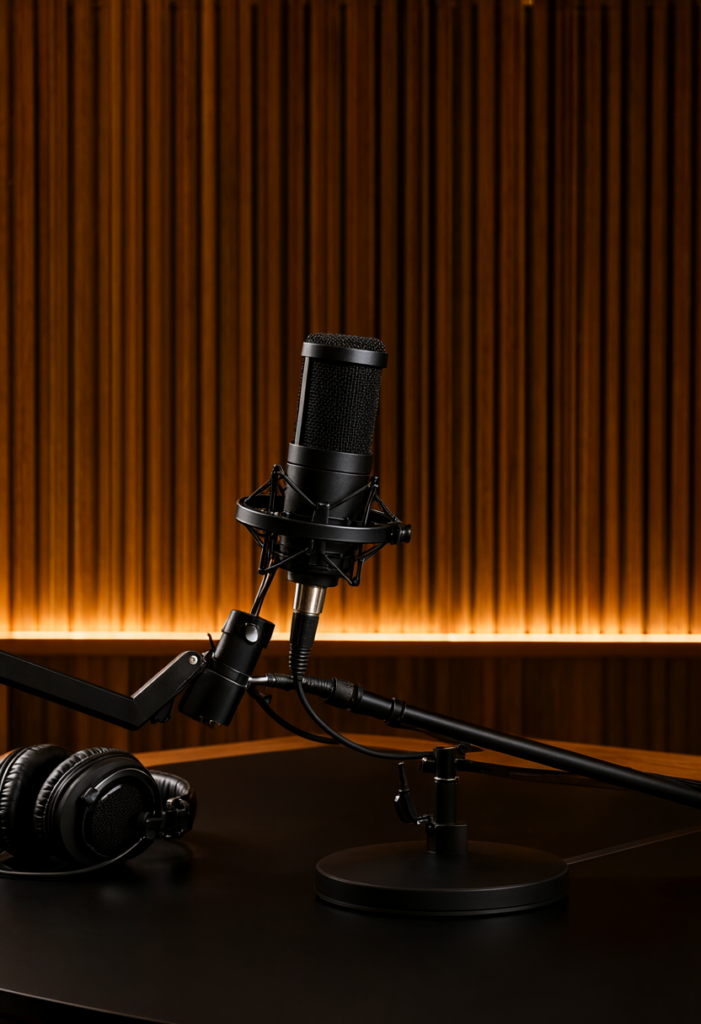
“Viewers will forgive average 1080p video, but bad audio causes immediate cognitive irritation. If your voice sounds hollow, reverberant, and tinny, your authority evaporates within ten seconds of airtime.”
Most modern luxury apartments and contemporary executive penthouses are designed with minimalist aesthetic principles: hardwood floors, floor-to-ceiling glass windows, and smooth painted concrete walls. Visually, these spaces look stunning. Acoustically, they are reflective nightmares—acting like echo chambers where sound waves bounce endlessly, muddying speech intelligibility.
The amateur solution is plastering hideous dark acoustic foam wedges all over the walls, destroying interior aesthetics. The professional engineering solution lies in Acoustic Architecture & Precision Dynamic Microphone Selection.
Condenser vs. Dynamic Microphones: The Critical Distinction
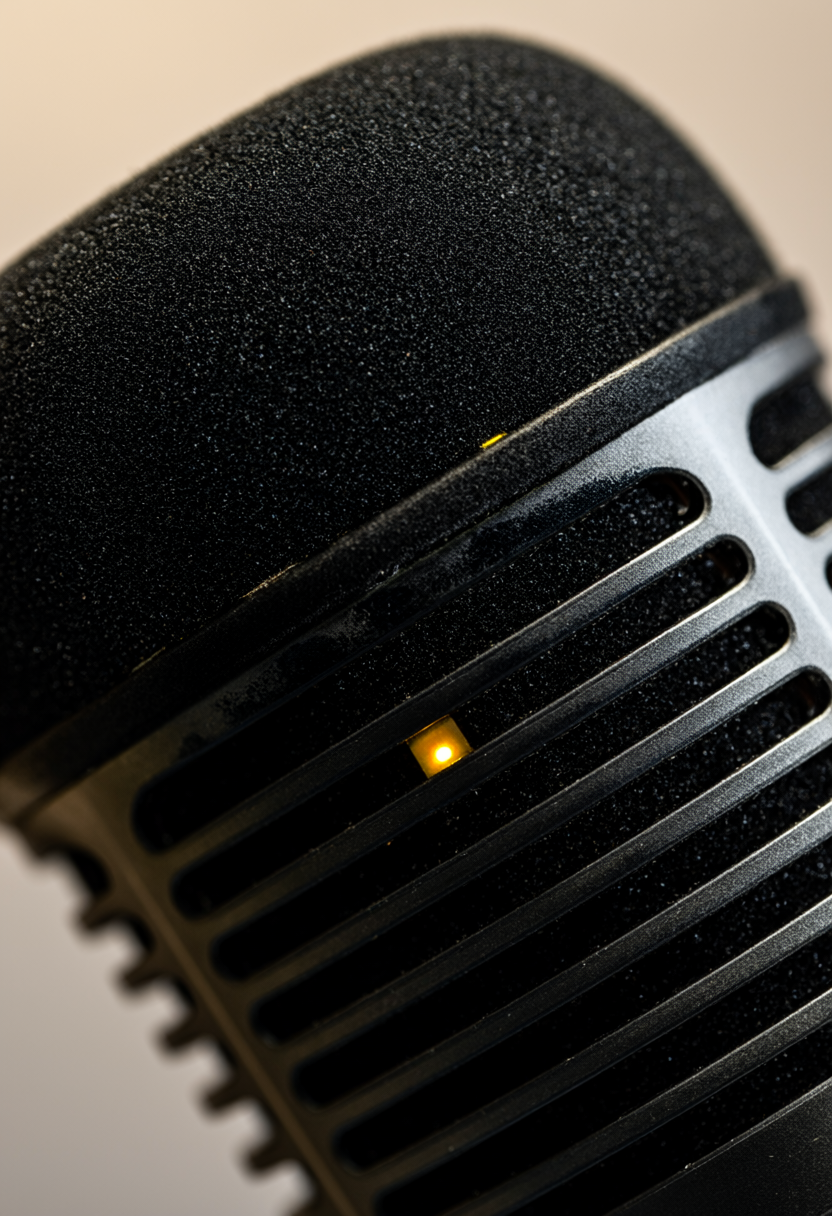
The single most catastrophic mistake remote creators make is buying a high-sensitivity USB condenser microphone (such as the Blue Yeti). Condensers feature ultra-lightweight gold-sputtered diaphragms designed for acoustically isolated sound booths. In a normal living room, a condenser microphone picks up every room reflection, air conditioning hum, street traffic, and keyboard clatter within a 15-meter radius.
Broadcasters rely strictly on End-Address Dynamic Microphones with tight Cardioid Polar Patterns (such as the legendary Shure SM7B or MV7):
- Heavy Copper Voice Coil: Requires substantial sound pressure level (SPL) right at the capsule to move the diaphragm. Ambient room reverberation simply lacks the kinetic energy to trigger the microphone.
- Off-Axis Rejection: Dynamic capsules reject sounds coming from the rear (180 degrees) and sides (90/270 degrees) by up to 25 to 30 decibels, isolating the speaker’s vocal chords cleanly from the room.
- The Proximity Effect: Speaking within 5 to 7 centimeters of the capsule naturally boosts warm, resonant low-end frequencies (100Hz–250Hz), imparting that authoritative, intimate “radio broadcast timbre.”
| Hardware Category | Studio Benchmark | Acoustic Advantage | Placement Protocol |
|---|---|---|---|
| Dynamic Microphone | Shure MV7X / SM7B | Immunity to room echo, warm velvety vocal presence | 5cm from mouth, angled 45° off-axis to avoid plosives |
| Microphone Boom Arm | Rode PSA1+ / Elgato Wave Arm | Internal spring damping, zero desk-tapping transmission | Clamped to desk perimeter, floats naturally in front of torso |
| Floor Absorption | Dense Wool / Silk Persian Rug | Absorbs early floor bounce reflections invisibly | Positioned directly beneath the desk and chair perimeter |
Shure MV7X XLR Podcast Microphone (Voice Isolation Technology)
Engineered with Shure’s Voice Isolation Technology to capture rich, clear speech while rejecting ambient room reflections and background noise in untreated rooms. The ultimate tool for global keynote moderators.
Check Pricing on Amazon →Tactical Acoustic Decor: Treating Without Compromising Taste

You can tame 80% of troublesome flutter echo using curated high-end interior furnishings:
- The Heavy Velvet Curtain Wall: Hang custom floor-to-ceiling 450 GSM velvet curtains along large window walls. When pulled closed during broadcasts, the dense folds absorb high-frequency reflections effortlessly.
- The Bookcase Diffuser: A full wall of open shelving filled with randomly sized hardcover books, sculptures, and ceramic vases acts as a natural quadratic residue diffuser, scattering sound waves randomly rather than bouncing them straight back.
- Linen Wall Tapestries: Artistically draped wool or linen tapestries behind the camera position eliminate rear flutter reflections while enriching room aesthetics.
Frequently Asked Questions (FAQ)
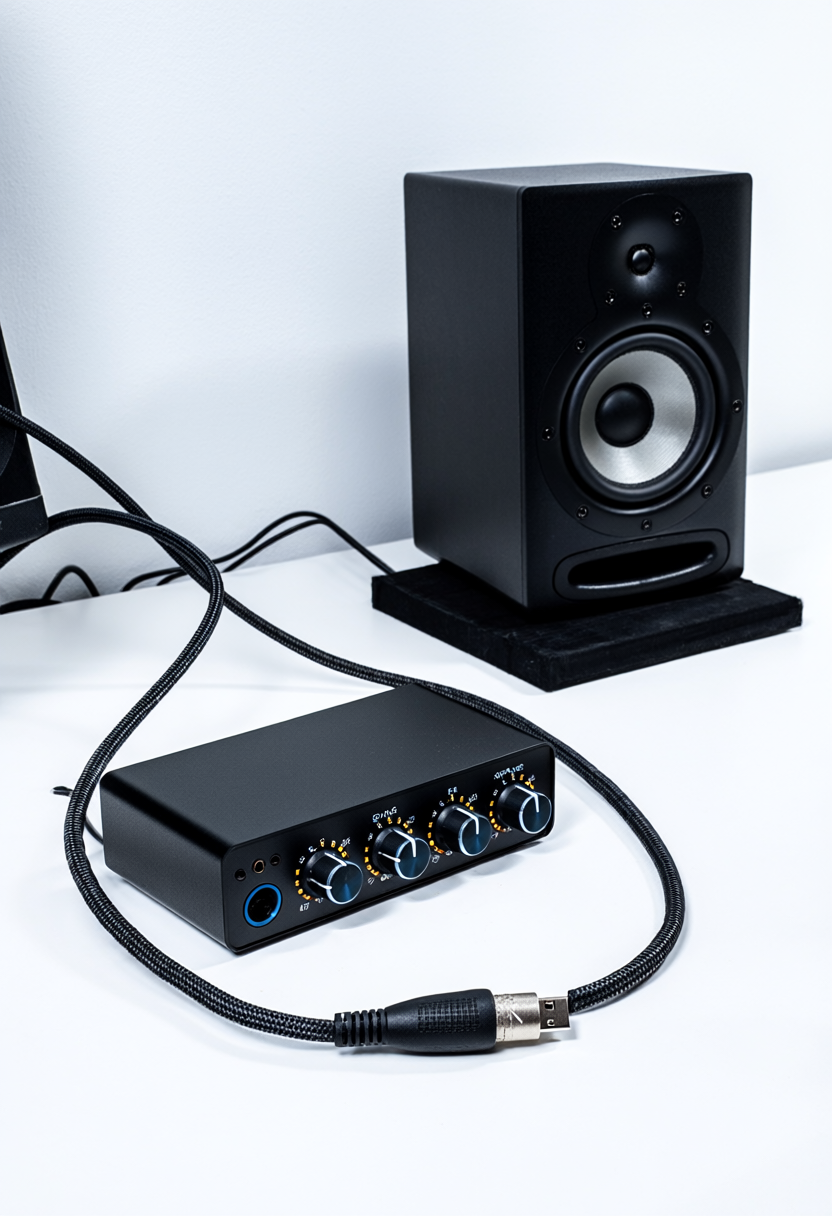
Do I need an inline pre-amp like a Cloudlifter for the Shure SM7B?

The classic SM7B has an exceptionally low sensitivity rating (-59 dBV/Pa) and requires at least +60dB of clean pre-amp gain, making an inline gain booster (Cloudlifter CL-1) necessary with budget audio interfaces. However, newer models like the Shure MV7 / MV7+ feature internal digital pre-amps that plug directly via USB or standard XLR with zero external boosters needed.
How can I prevent plosive ‘P’ and ‘B’ popping sounds on air?
Position the microphone slightly off-axis—tilted at a 45-degree angle pointing towards the corner of your mouth rather than perpendicular directly in front of your lips. Plosive air blasts will shoot harmlessly past the capsule while vocal tone remains warm and intact.
