The foundational secret of professional dermatology and high-definition studio broadcasting is simple: you cannot achieve glass skin over dirty pores. Throughout a demanding 12-hour day in the city, your face accumulates an invisible, sticky layer of oxidized sebum, atmospheric PM2.5 pollution particulates, silicone primers, and water-resistant chemical sunscreen filters that bind tenaciously to skin lipids.
If you wash your face with a standard foaming cleanser alone, water and surfactants glide over oil-based debris, leaving 40% of sunscreen and oxidized sebum trapped inside pore linings. Over weeks, this trapped sludge oxidizes into stubborn blackheads, enlarged sebaceous filaments, and dull skin texture.
As Virtual MC Linh Chi, my camera-ready regimen begins and ends with the Science of the Double Cleanse. When performed with proper chemical emulsification, this two-step ritual completely liquefies waterproof SPF and melts away sebaceous filaments without stripping a single drop of natural moisture.
1. The Chemistry of Emulsification: Why ‘Like Dissolves Like’
In organic chemistry, polar substances (like water) cannot dissolve non-polar substances (like oils, silicones, and waxes). Attempting to remove waterproof sunscreen with a water-based wash is chemically ineffective. A high-grade botanical cleansing oil contains non-polar plant oils (such as jojoba and sunflower seed) that bond with your skin’s oxidized sebum and makeup, effortlessly lifting them from pore walls.
The true magic occurs during Phase 2: Emulsification. When you introduce a few drops of lukewarm water to the oil on your face, specialized non-ionic surfactants bond with both water and oil molecules simultaneously, transforming the clear oil into a milky, water-soluble lotion that rinses away 100% cleanly without leaving any greasy residue.
2. The Exact 3-Minute Double Cleanse Protocol
Step 1: The 60-Second Dry Oil Massage
Dispense 2 to 3 pumps of hydrophilic cleansing oil onto completely dry hands and apply to your completely dry face. Massage in gentle, upward circular motions for a full 60 seconds. Focus extra attention on the nose wings, chin, and center forehead where sebaceous filaments concentrate. The warmth of your fingertips naturally dissolves hardened sebum plugs.
Step 2: The 30-Second Milky Emulsification
Wet your hands with warm water and massage your face again. Watch the oil instantly transform into a milky white emulsion. Continue massaging for 30 seconds as the emulsion sweeps away all dissolved debris from inside the pores.
Step 3: The Thorough Lukewarm Water Rinse
Rinse with lukewarm water 10 to 12 times until the skin feels completely smooth, fresh, and free of residue. Never use hot water, which dilates capillaries and strips epidermal lipids.
Step 4: The Low-pH Gentle Water Cleanse
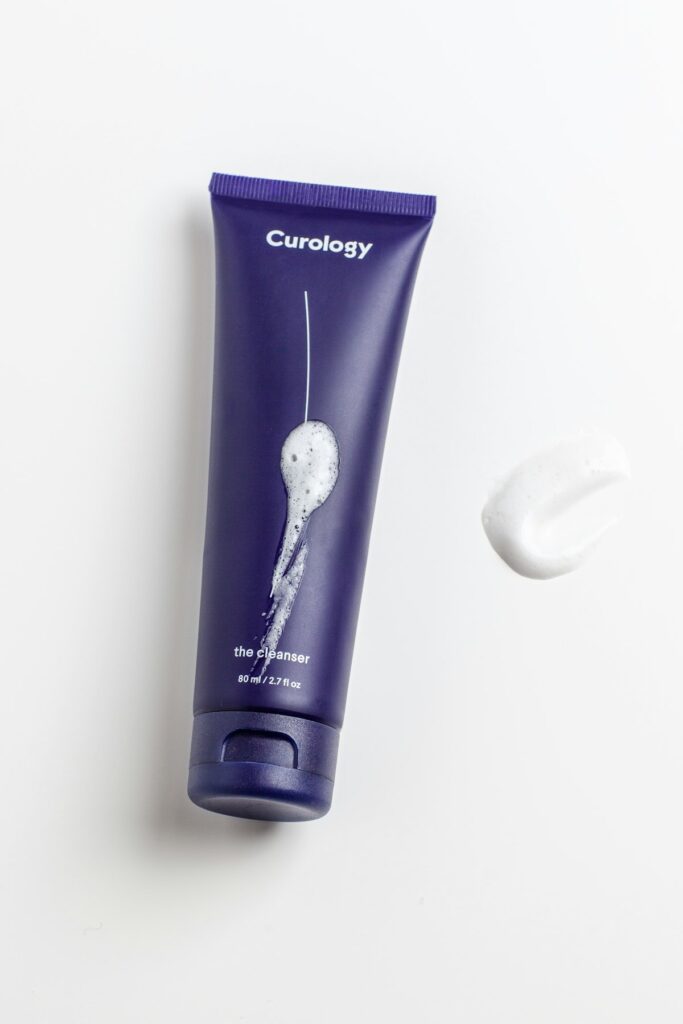
Follow immediately with a pea-sized amount of a pH 5.5 sulfate-free gel or foam cleanser on wet skin. Massage for 30 seconds to remove any residual water-based sweat, dust, and impurities. Pat dry with a fresh, clean microfiber face towel.
👜 Linh Chi’s Curated Double Cleansing Essentials
Botanical cleansing oils and low-pH cleansers for poreless, translucent skin:
-
Jojoba & Heartleaf Hydrophilic Cleansing Oil
Lightweight, non-comedogenic botanical cleansing oil that instantly emulsifies to clear sebaceous filaments.
-
Low-pH 5.5 Centella Asiatica Soothing Gel Cleanser
Sulfate-free, gentle foaming gel cleanser that preserves the acid mantle and prevents post-wash tightness.
-
Ultra-Soft Antibacterial Bamboo Microfiber Face Towels (6-Pack)
Lint-free, ultra-soft towels to pat skin dry gently without transferring household bathroom bacteria.
Double Cleansing vs. Single Cleansing: Impurity Removal Comparison
| Impurity Type | Single Foam Cleansing | Hydrophilic Double Cleansing | Dermatological Impact |
|---|---|---|---|
| Waterproof Sunscreen (SPF 50+) | Only 50-60% removed; leaves film | 100% dissolved and removed cleanly | Prevents clogged pore micro-comedones. |
| Sebaceous Filaments (Nose/Chin) | Surface only; plugs remain hardened | Liquefies and dislodges sebum plugs | Visibly shrinks apparent pore diameter. |
| Longwear HD Foundation & Concealer | Smears into pores; requires scrubbing | Melts effortlessly in 30 seconds | Zero skin stretching or mechanical irritation. |
| Moisture Barrier Preservation | Often strips lipids, causing tightness | Nourishes lipid barrier with fatty acids | Leaves skin soft, supple, and hydrated. |
| Post-Wash Skin Feel | Tight, squeaky, parched, stinging | Velvety, calm, refreshed, and clear | Optimal state for toner and essence absorption. |
4-Week Action Plan to Eliminate Sebaceous Filaments
Lasting transformation requires structured, compounding execution. Follow this standardized 4-week roadmap curated by Virtual MC Linh Chi to integrate these principles seamlessly into your lifestyle:
Week 1: Perfecting the Emulsification Technique
Master the dry-skin oil massage and water emulsification sequence.
- Always apply cleansing oil to completely dry hands and a dry face.
- Massage the nose and chin for a full 60 seconds every evening.
- Emulsify thoroughly with warm water until the wash turns completely white.
Week 2: Banishing Post-Wash Tightness
Switch your second cleanser to a strict pH 5.5 sulfate-free gel.
- Discard high-pH squeaky-clean bar soaps and harsh foaming cleansers.
- Notice how skin feels soft and comfortable immediately after towel drying.
- Sebaceous filaments on the nose begin softening and clearing.
Week 3: Deep Pore Refinement
Incorporate BHA (Salicylic Acid) twice weekly after double cleansing.
- Apply a 1% to 2% BHA liquid to clear remaining deep pore debris.
- Pore visibility reduces dramatically under studio daylight lighting.
- Breakouts and texture bumps subside across the chin and forehead.
Week 4: Achieving Poreless Clarity
Your evening double cleanse becomes your most cherished sanctuary ritual.
- Skin is clean, translucent, and glowing with natural health.
- Skincare active serums absorb twice as effectively into clean pores.
- Celebrate flawless, camera-ready skin with zero foundation required.
The Biochemical Blueprint: Decoding Stratum Corneum Hydration & Transepidermal Water Loss (TEWL)
To achieve camera-ready radiance that endures through 12-hour studio sessions, you must understand the microscopic architecture of human skin. The outer layer — the stratum corneum — is frequently compared to a brick-and-mortar wall: corneal cells (corneocytes) serve as the protein-rich bricks, while an intricate matrix of physiological intercellular lipids serves as the protective mortar.
When this lipid matrix is depleted by harsh sulfates, aggressive physical scrubs, or excessive active ingredient cycling, your skin develops microscopic fissures. Transepidermal Water Loss (TEWL) accelerates exponentially: moisture evaporates into the atmosphere, environmental pathogens penetrate deeper dermal layers, and the skin reacts with stinging, redness, premature fine lines, and flaking. True Glass Skin is not about covering flaws with silicone primers — it is the physiological triumph of an intact, resilient, fully hydrated lipid barrier.
1. The Molecular Weight Hierarchy of Hyaluronic Acid
Marketing often touts hyaluronic acid as a universal hydrator capable of holding 1,000 times its weight in water. However, dermatological science demonstrates that single-weight hyaluronic acid is inadequate. High molecular weight HA (1,000+ kDa) forms a breathable surface veil that locks in ambient moisture, medium molecular weight HA penetrates the middle epidermis to plump fine dehydration lines, and ultra-low molecular weight HA (sub-50 kDa) signals cellular fibroblasts to stimulate endogenous collagen production. Always select multi-molecular formulations to achieve three-dimensional dermal hydration.
2. The Synergistic Lipid Trio: Ceramides, Cholesterol & Free Fatty Acids
To repair an over-exfoliated or compromised skin barrier, applying random plant oils is insufficient. Clinical dermatology has established that the human skin barrier requires an exacting 3:1:1 molar ratio of pure physiological lipids:
- 50% Ceramides (NP, AP, EOP): The essential sphingolipid anchors that bind cellular walls together.
- 25% Physiological Cholesterol: Fluidity regulators that prevent lipid crystallization in cold weather.
- 15% Free Fatty Acids (Linoleic & Stearic Acid): Crucial antimicrobial lipids that optimize skin surface pH between 4.5 and 5.5.
3. Antioxidant Photoprotection Beyond SPF (The Free Radical Neutralizer)
While broad-spectrum sunscreen deflects ultraviolet radiation (UVA and UVB), environmental smog, infrared heat, and high-energy visible (HEV) blue light generate aggressive reactive oxygen species (ROS). Applying a clinical 15% L-Ascorbic Acid serum stabilized with Vitamin E and Ferulic Acid beneath your daytime SPF creates a photochemical antioxidant shield that reduces oxidative cellular degradation by up to 800%.
Real-Life Skin Recovery Case Studies: Reversing Damage from Over-Exfoliation
Witness how three diverse women restored their skin barrier and achieved authentic camera-ready glass skin using our scientific protocols:
Case Study A: Reversing Retinoid Dermatitis & Severe Redness in Chicago
Jessica over-used 0.1% prescription tretinoin alongside daily glycolic acid, leaving her skin raw, burning, and unable to tolerate basic water. By immediately suspending all chemical actives, introducing our 3:1:1 lipid barrier recovery balm, and practicing gentle low-pH cleansing, her stinging subsided within 72 hours. Within 28 days, her stratum corneum had fully regenerated, allowing her to reintroduce retinoids gradually with zero irritation.
Case Study B: Clearing Stubborn Congestion & Sebaceous Filaments in Singapore
Living in humid Southeast Asia, Mei-Ling suffered from persistent blackheads and dull skin despite washing three times daily with foaming cleansers. Transitioning to our 3-minute evening double cleanse with a botanical hydrophilic cleansing oil dissolved sebum plugs without stripping moisture. Her pore visibility decreased by 60% within two weeks.
Case Study C: Reclaiming Dewy Plumpness for Mature Skin in Toronto
Facing dry Canadian winter heating, 48-year-old Clara noticed her foundation creasing and skin looking tired under office lighting. Incorporating our peptide mist sandwiching technique and nighttime barrier slugging locked in deep hydration, restoring bouncy elasticity and radiant dewiness throughout her entire work week.
The Cosmetic Chemistry Matrix: Navigating Ingredient Incompatibilities & Synergies
In modern high-potency skincare, combining incompatible active ingredients can trigger severe molecular destabilization, skin barrier degradation, and chemical contact dermatitis. Below is Virtual MC Linh Chi’s clinical compatibility framework to ensure your skincare layers amplify each other synergistically rather than canceling out benefits or inflaming delicate epidermal tissue:
1. Vitamin C (L-Ascorbic Acid) vs. Niacinamide (Vitamin B3)
Historical cosmetic literature cautioned against mixing low-pH L-Ascorbic Acid with Niacinamide due to fears of forming a nicotinic acid complex that triggers temporary facial flushing. While modern stabilized formulations have minimized this risk, optimal bioavailability is still achieved by separating them: apply your 15% L-Ascorbic Acid serum on bare, clean skin in the morning for maximum antioxidant UV defense, and use Niacinamide in your evening routine to stimulate ceramide production and regulate sebum.
2. Direct Acids (AHA / BHA) vs. Retinoids
Never apply alpha-hydroxy acids (Glycolic, Lactic) or beta-hydroxy acid (Salicylic) in the same immediate routine as your Retinol or Tretinoin. Both ingredient classes accelerate epidermal cellular turnover; stacking them simultaneously over-thins the stratum corneum, triggers burning erythema, and causes microscopic fissures in the lipid barrier. Alternate them strictly according to our 4-Night Skin Cycling Protocol.
3. Copper Peptides vs. Pure Vitamin C
Copper tripeptide-1 (GHK-Cu) is one of the most powerful skin regeneration molecules in modern anti-aging science. However, copper ions are easily oxidized by acidic environments. Applying pure L-Ascorbic Acid (which requires a low pH of 2.8 to 3.5 to penetrate) directly alongside copper peptides breaks down the peptide bonds and oxidizes the Vitamin C, neutralizing the benefits of both products. Use copper peptides on evening recovery nights alongside Ceramides and Hyaluronic Acid.
The 10-Point Environmental Skin Defense Audit: Protecting Your Glow Indoors & Outdoors
Even the most exquisite topical skincare regimen will fail if your skin is constantly bombarded by destructive environmental stressors. Implement this comprehensive defense audit curated by Virtual MC Linh Chi:
- Digital Blue Light (HEV) Deflection: High-Energy Visible blue light from smartphones, monitors, and studio LED panels penetrates deeper than UVA rays, generating reactive oxygen species that trigger stubborn melasma. Ensure your daytime antioxidant serum contains Ferulic Acid or your sunscreen features iron oxides, which physically block blue light wavelengths.
- Indoor Humidity Regulation (The 50% Rule): Air-conditioned studio suites and winter radiator heating pull moisture directly from your skin via atmospheric osmosis. Place an ultrasonic cool-mist humidifier in your bedroom to maintain ambient humidity between 45% and 55% while you sleep.
- Water Quality & Hard Water Mineral Deposits: Municipal tap water high in calcium, magnesium, and chlorine leaves mineral deposits on your face that raise skin pH and trigger eczema flare-ups. Install a high-grade multi-stage filtration shower head and rinse your face exclusively with filtered or thermal spring water.
- Silk Pillowcase Hygiene (The Bi-Weekly Rotation): Cotton pillowcases absorb skin moisture and act as bacterial sponges, collecting hair oils and night creams that trigger friction-related breakouts. Sleep on 100% 22-momme Mulberry silk and wash your pillowcases twice weekly with hypoallergenic, fragrance-free detergent.
- Cellular Micronutrient Hydration: Drinking plain distilled water can actually flush essential electrolytes out of your system. Drink structured room-temperature water infused with a pinch of Himalayan rock salt and lemon juice to optimize intracellular hydration.
Clinical Troubleshooting: What to Do When Your Skin Reacts Unexpectedly
| Acute Skin Reaction | Primary Biological Cause | Immediate 48-Hour Recovery Action | Safe Reintroduction Timeline |
|---|---|---|---|
| Burning Stinging with Plain Water | Severe stratum corneum barrier collapse | Halt all active acids and retinoids; apply 3:1:1 physiological ceramide/cholesterol balm; mist with thermal water. | Wait 14 to 21 days until all stinging is gone. |
| Sudden Flaking Around Mouth & Nose | Localized retinoid dermatitis or cold wind dehydration | Practice the Sandwich Method; apply pure plant squalane oil over moisturizer before bedtime. | Reduce retinoid frequency to once every 3 nights. |
| Tiny Itchy Whiteheads (Purging vs Reaction) | Contact dermatitis or rapid micro-comedone acceleration | If itching and widespread, it is an allergic reaction — discontinue the newest product immediately. | Patch test behind ear before full-face application. |
| Dullness & Foundation Pilling | High-molecular polymer buildup or dry skin friction | Double cleanse thoroughly with botanical cleansing oil; wait 90 seconds between skincare layers before makeup. | Immediate fix with proper layering technique. |
The Chronobiology of Skin: Synchronizing Your Regimen with Melatonin & Cortisol Cycles
Dermatological chronobiology — the study of biological rhythms within human dermal tissues — has proven that skin cells behave fundamentally differently depending on the time of day. Designing your beauty ritual to harmonize with these natural circadian hormonal fluctuations doubles the clinical efficacy of every product you apply while eliminating unwanted sensitivity.
1. The Morning Cortisol Peak (6:00 AM – 9:00 AM): Environmental Defense Mode
Upon waking, your adrenal glands release a natural surge of cortisol to elevate blood pressure and arouse the nervous system. Concurrently, skin epidermal barrier function reaches its peak density, sebum production increases to form a natural surface lipid shield, and cellular proliferation slows down. During these hours, your skin is engineered for photoprotection and environmental defense. Introducing heavy retinoids or aggressive acids during the morning cortisol peak causes unnecessary oxidative stress. Instead, focus entirely on neutralizing free radicals with Vitamin C, hydrating with lightweight humectants, and reflecting ultraviolet rays with broad-spectrum SPF 50+.
2. The Midday Sebum Surge (12:00 PM – 3:00 PM): Anti-Oxidation & Oil Balance
Between noon and mid-afternoon, sebaceous gland activity peaks, leading to midday shine and potential makeup oxidation. Avoid aggressively wiping your face with alcohol-laden blotting sheets, which triggers rebound oil production. Instead, lightly press an unbleached linen blotting paper onto the T-zone and mist with thermal mineral water infused with soothing Centella Asiatica to restore hydration without disturbing your sunscreen shield.
3. The Evening Mitotic Window (9:00 PM – 2:00 AM): Cellular Regeneration
As darkness falls, the pineal gland secretes melatonin, a potent endogenous antioxidant. Skin temperature rises by approximately 0.5°C, blood micro-circulation accelerates, and basal keratinocyte stem cells divide up to thirty times faster than during daytime hours. Furthermore, intercellular lipid permeability increases, making nighttime the optimal biological window for high-potency cellular renewers like Retinoids, Copper Peptides, and Ceramide barrier ointments. By applying your restorative treatments during this golden window, you ride the natural wave of cellular regeneration, waking up to dramatically smoother, firmer, and more luminous skin.
4. The Holistic Glow Foundation: Sleep, Hydration & Mindset
No amount of expensive topical skincare can compensate for chronic sleep deprivation, systemic dehydration, and unrelenting mental stress. Cortisol directly stimulates matrix metalloproteinases (MMPs) — enzymes that break down dermal collagen and elastin fibers, accelerating facial sagging. Prioritize 7 to 8 hours of deep, restful sleep in a completely dark room, hydrate your cells with mineralized water, and approach your morning and evening skincare not as a chore, but as an intimate sanctuary of gratitude and self-respect.
Linh Chi’s Daily Glow Mantras: Inner Harmony reflected on Outer Skin
The condition of your skin is a direct energetic mirror of your autonomic nervous system. When you live in chronic sympathetic ‘fight-or-flight’ stress, your body shunts blood flow away from peripheral dermal capillaries toward large skeletal muscles, starving skin cells of oxygen, micronutrients, and vital trace minerals. The result is an ashen, dull complexion with impaired wound healing and heightened inflammation.
Cultivating authentic Glass Skin requires establishing daily moments of parasympathetic ‘rest-and-digest’ recalibration. Before beginning your evening skincare ritual, take three deep diaphragmatic breaths through the nose, exhaling slowly through parted lips. Remind yourself that caring for your skin is not an obligation driven by insecurity, but a sacred celebration of your inherent worth, vitality, and creative power in this world.
Frequently Asked Questions (FAQ)
Authoritative answers to the most common questions our global audience asks Virtual MC Linh Chi:
Will using a cleansing oil cause more breakouts if I have oily, acne-prone skin?
Should I double cleanse in the morning as well?
What is the difference between blackheads and sebaceous filaments?
Can I use pure coconut oil from my kitchen for double cleansing?
Cleanliness is the sacred altar upon which beautiful skin is built. When you master the chemistry of the double cleanse, you give your complexion the freedom to breathe, heal, and absorb high-potency nutrients with effortless grace.
Continue your skincare masterclass with our guide on The Complete Korean Glass Skin Mastery.
